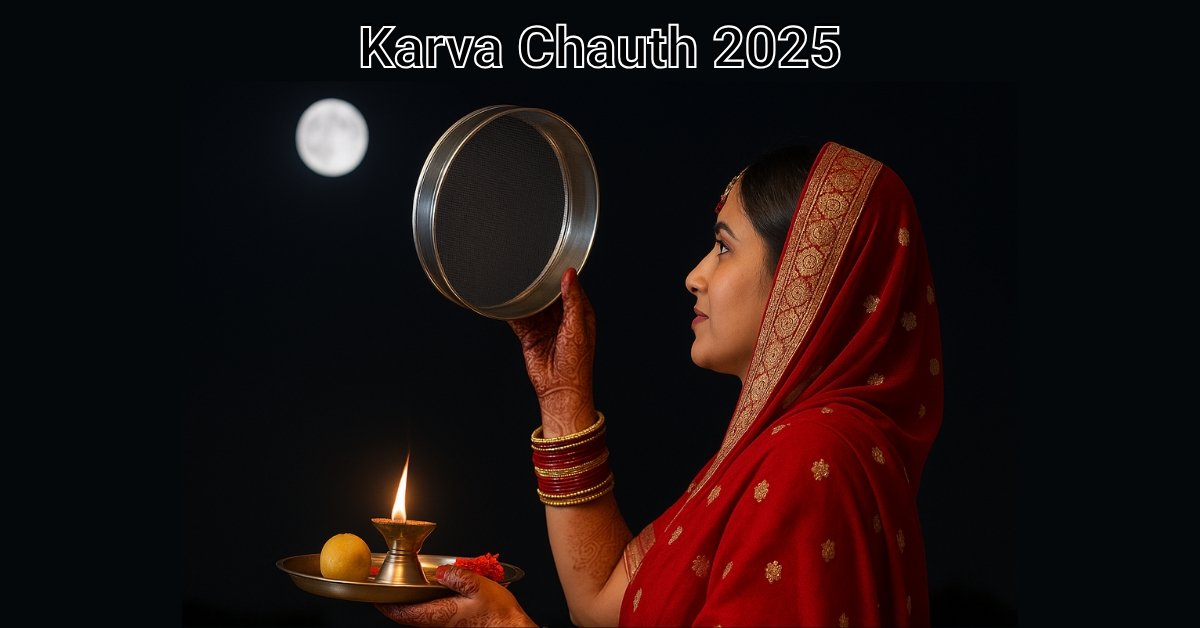
Discover the complete guide to Karva Chauth 2025, including the auspicious muhurat times, step-by-step rituals, spiritual meaning and regional practices. Prepare for the fast with mindful devotion and tradition.
Table of Contents
ToggleKarva Chauth 2025: Powerful Muhurat, Rituals & Spiritual Significance
What is Karva Chauth?
Karva Chauth is a traditional Hindu vrat (fast) observed by married women (primarily in North India) for the long life and well-being of their husbands. The day is marked by strict fast from sunrise to moon-sighting, special poojas, storytelling (vrat katha), and prayers for marital prosperity.
Karva Chauth 2025 Muhurat
For 2025, the Karva Chauth muhurat (auspicious time for moon-sighting and breaking the fast) falls on:
- Date: Tuesday, 4 November 2025
- Moonrise time for major centres: approximately early evening (regional variation applies)
- The fast begins at sunrise on 4 Nov and ends when the moon is sighted and offerings made.
Note: Exact local moonrise time and muhurat should be confirmed with your local Panchang.
Quick Facts at a Glance
- Date: 4 November 2025 (Tuesday)
- Who observes: Married women (traditionally)
- Purpose: Fasting and prayers for the health, long-life and prosperity of the husband
- Key ritual time: Break fast after moon rise (muhurat)
- Prerequisite: Sargi (pre-dawn meal by mother-in-law to bride) in many traditions
- Key texts: Vrat Katha (narrative of sacrifice and devotion)
- Regional variants: Also observed in parts of Gujarat, Rajasthan, Punjab, Delhi-UP belt
- Modern trend: Even husbands sometimes join in symbolic fast; urban adaptation growing
Main Body
1. Historical & Spiritual Significance of Karva Chauth
The fast finds its roots in mythological stories and symbolic acts of devotion. According to legend, a devoted wife named Queen Veeravati fasted on the day of Karva Chauth for her husband’s long life; when she mistakenly broke her fast early and saw the moon, her husband fell gravely ill — she then asked for guidance, completed the fast properly and was able to save him.
Symbolically, the wife’s fast and the subsequent moon-sighting mark a union of faith, discipline and marital dedication.
In a spiritual sense, the fast (vrat) emphasises aspects of sacrifice, devotion (bhakti), meditation on marital duty (dharma) and the power of collective female spiritual strength. Observing Karva Chauth helps reinforce the sacred vow of marriage (the “sangam” of two lives) and elevates it into a devotional offering.
2. Preparations before the Day
- Sargi (pre-dawn meal): In many families the mother-in-law gives the bride a special pre-dawn meal (known as sargi), which she eats before sunrise. Some regions include sweets, fruits, dry fruits, and a bit of water.
- Fasting rules: From sunrise onwards the wife refrains from food and water (in strict tradition) until the moon is sighted. Some modern versions allow water, depending on health and doctor advice.
- Dress & adornment: Traditionally the wife wears festive attire — often red or maroon saree/lehenga, jewellery, bangles, mehendi (henna) on hands.
- Puja items preparation: Pot (karva – earthen or metal), thali (plate) with diya (lamp), kumkum, sweets, fruits for offering, a sieve (chhanni) for moon-sighting ritual.
3. Step-by-Step Rituals of Karva Chauth
The Daytime Routine
- After sargi, the wife begins the fast until moon sighting.
- She may visit a temple, observe the surrounding women doing similar fasts, join in group prayers.
- She prepares the pooja thali and sets aside the karva (water-pot) for the evening rite.
Evening Puja & Vrat Katha
-
After sunset, when the moon is expected, women gather for the puja. The rite includes:
-
Lighting of the diya
-
Invocation of deities (often Shiva and Parvati, and also the husband)
-
Recitation or hearing of the Vrat Katha (narrative of the fast)
-
Circumambulation of husband (or husband’s photo) with the puja thali
-
Prayer to the karva-pot filled with water for welfare.
-
Moon-Sighting & Breaking the Fast
-
When the moon becomes visible:
-
The wife first views the moon through the sieve (chhanni) along with the puja thali.
-
She then turns to view the husband through the sieve, offers water (arghya) from the karva to the moon deity, and the husband gives the wife a sip of water or bite of sweet to break the fast.
-
-
Some families then proceed to a feast or special dinner.
4. Regional Variations & Modern Adaptations
While the core ritual remains the same, regional traditions vary:
- In Gujarat and Rajasthan, the name “Karva Chauth” is linked with earthen pot (karva).
- In Punjab/Haryana, some women perform the fast but break it earlier if required by health.
- Urban modern versions: Some couples observe the ritual together; husbands give gifts to wives; some wives take water only (instead of full fast) for health reasons.
- Note: It’s always important to consider health—pregnant or nursing women may follow a modified observance with doctor’s advice.
5. Spiritual Insights & Symbolism
- The sieve (chhanni) through which the moon and husband are viewed symbolises the filtering of worldly illusions and focusing on one’s inner devotion.
- The karva-pot filled with water symbolises fertility, life-sustaining aspect, and marital abundance.
- The fast itself is an act of self-discipline, reminding that life’s blessings often come through focused intent and sacrifice, not mere convenience.
- From Vedantic view: devotion to spouse reflects devotion to the divine as per the teaching that “atman” in each being is the same — therefore one’s devoted regard to spouse is ultimately service to the divine.
6. Important Tips & Guidelines for 2025 Observance
- Confirm local moonrise time via a reliable panchang (Hindu almanac) for your region (Andhra Pradesh, Delhi, Mumbai etc).
- If any health condition exists (pregnancy, diabetes, chronic illness), consult both family traditions and medical advice; it is better to perform a vrat in spirit if full fast is not recommended.
- Ensure safety in evening activities (group events, temple visit), especially if staying in large gatherings.
- Keep the puja items tidy and eco-friendly (use earthen diya, avoid plastics).
- Use the occasion to renew marital vows: exchange heartfelt conversation, share the spiritual meaning rather than just the ritual form.
FAQs
Q1: Can unmarried women observe Karva Chauth?
A: Traditionally the fast is for married women for husbands’ longevity. However, some unmarried women observe it wishing for a future spouse, depending on family custom.
Q2: What if the moon isn’t visible due to clouds?
A: In case of cloud cover, the fast is usually broken once sunset time + a conventional moon-rise time passes; local pandit or temple tradition provides the instruction.
Q3: What if husband is away or in other city?
A: The wife may still observe the fast spiritually, keep his photograph or family deity in place of husband, perform the ritual and break the fast when moon is visible.
Q4: Are modern modifications acceptable (e.g., drinking water only or sharing fast)?
A: Yes — family and health conditions allow flexibility. The essential element is devotion and intention behind the vrat; tradition emphasises spirit over rigidity.
Q5: What are some suitable gifts for wife/husband on Karva Chauth 2025?
A: Common gifts include bangles/sindoor for wife, gold or silver jewellery, wristwatch, sweets. The underlying sentiment should align with devotion and gratitude.
Useful Links
Author Block
Author: Sri Vyasapooja Team


+ There are no comments
Add yours