Key Information at a Glance
| Detail | What to know |
|---|---|
| Where it applies | Sri Venkateswara Swamy temple, Tirumala (all darshan and seva queues) |
| Men | Dhoti (pancha) or pyjama with an upper cloth; kurta-pyjama is also traditional |
| Women | Saree, half-saree with blouse, or churidar with pyjama and upper cloth / dupatta |
| Sevas (Kalyanam, Archana, Abhishekam, etc.) | Traditional attire expected; dress code applied more strictly |
| Generally avoided | Jeans, shorts, Bermudas, T-shirts and revealing western wear |
| Authority | Tirumala Tirupati Devasthanams (TTD) |
| Official source | tirumala.org (confirm before you travel) |
Why Tirumala Has a Dress Code
The Sri Venkateswara Swamy temple at Tirumala is one of the most visited places of worship in the world, and TTD asks every pilgrim to dress in traditional Indian attire while in the temple. The aim is simple: to keep the surroundings dignified and in keeping with the devotional atmosphere of the shrine. The guidance was introduced as a formal policy to make expectations clear for the very large number of devotees who arrive each day.
This is a matter of respect rather than fashion. Pilgrims wait for hours in queues and then stand in the presence of the deity, so traditional clothing that covers the body modestly is considered appropriate. The same expectation applies whether you hold a free darshan token or a paid special-entry ticket.
Dress Code for Men and Women
According to the official TTD guidance, the expected attire is as follows. The key idea is traditional clothing with an upper cloth, modestly worn.
| Group | Recommended traditional attire |
|---|---|
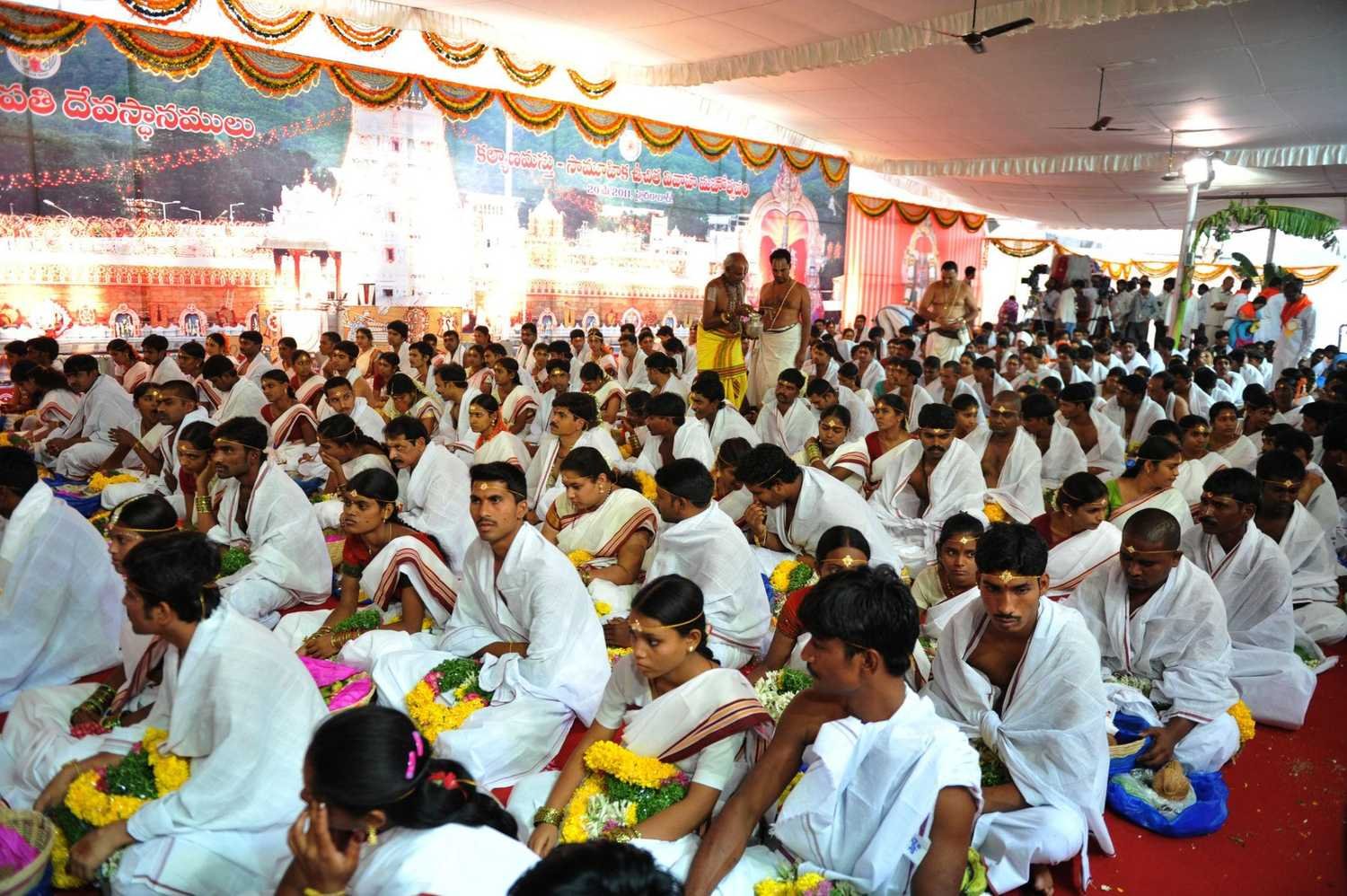
| Men | Dhoti (pancha) with an upper cloth, or pyjama with an upper cloth. Kurta-pyjama is also acceptable. A shirt is best paired with a traditional lower garment rather than worn alone with casual trousers. |
| Women | Saree with blouse, half-saree with blouse, or churidar with pyjama and an upper cloth / dupatta. Keeping the shoulders covered with the pallu or dupatta is the customary practice. |
| Children | The dress code is generally aimed at older children and adults; younger children are usually treated with reasonable flexibility. |
What is generally not encouraged includes jeans, shorts, Bermudas, T-shirts and other western outfits that expose parts of the body. Because rules can be updated, treat the above as guidance and verify the exact wording on the official TTD portal before your visit.
Sevas Versus General Darshan
For general darshan, traditional dress is expected and most pilgrims follow it without difficulty. For Arjita sevas, which are the paid ritual services such as Kalyanotsavam, Archana, Abhishekam and similar offerings, the traditional dress code is applied more firmly. These sevas place devotees closer to the rituals, so men are typically expected in a dhoti with an upper cloth (uttareeyam) and women in a saree or churidar with a dupatta.
If a devotee arrives without suitable attire, the usual practice is that they are advised to change before entering the queue complex. To avoid any last-minute trouble, it is sensible to dress correctly from the start, especially if you have booked a seva that you do not want to miss. Seva availability, timings and rules are managed by TTD, so always check the latest details on tirumala.org or the official TTD app.
Practical Tips for Pilgrims
- Carry a spare upper cloth. A simple cotton towel or shawl works well as an uttareeyam for men and a shoulder cover for women.
- Choose comfortable cotton. Tirumala can be warm and queues are long, so breathable traditional fabric is more comfortable than synthetic clothing.
- Dress before you reach the queue. It is far easier to be ready than to look for a place to change near the temple.
- Plan for sevas in advance. If you have booked an Arjita seva, wear the fuller traditional attire from the morning.
- Confirm current rules. Policies and seva details can change, so verify them on the official TTD portal close to your travel date.
Frequently Asked Questions
What should men wear for darshan and sevas at Tirumala?
Men are expected to wear a dhoti (pancha) or pyjama with an upper cloth, and kurta-pyjama is also acceptable. For Arjita sevas a dhoti with an upper cloth is the customary attire. Confirm the current rule on the official TTD portal before you travel.
What should women wear for darshan and sevas at Tirumala?
Women are expected to wear a saree with blouse, a half-saree with blouse, or a churidar with pyjama and an upper cloth or dupatta. Keeping the shoulders covered is the customary practice. Always check the latest TTD guidance for your specific seva.
Is jeans or western wear allowed inside the temple?
Casual western clothing such as jeans, shorts, Bermudas and T-shirts is generally discouraged, and outfits that expose parts of the body are not in keeping with the dress code. Traditional Indian attire is the safe choice for every pilgrim.
What happens if I do not follow the dress code?
The usual practice is that a devotee who is not dressed appropriately is advised to change before entering the queue complex. To avoid delay or disappointment, dress in traditional attire from the start, and verify the current rules on the official TTD portal.