Shiva Tandav Stotram In Telugu Lyrics: Essential Guide And Meanings
Shiva Tandav Stotram In Telugu Lyrics is one of the most revered and powerful hymns in Hindu devotion. Known for its rhythmic cadence and deep spiritual significance, this stotram vividly describes Lord Shiva’s cosmic dance — the Tandava. Here, you’ll find authentic Telugu lyrics, contextual meanings, pronunciation guidance, and devotional tips to properly honor this profound hymn. Whether you’re a devotee seeking deeper understanding or someone new to this sacred chant, this article gives structured insights you can rely on.
What Is The Shiva Tandav Stotram?
The Shiva Tandav Stotram (శివ తాండవ స్తోత్రం) is a Sanskrit hymn attributed to Ravana, the king of Lanka, who was both a formidable scholar and a ardent devotee of Lord Shiva. This powerful stotram celebrates Shiva’s cosmic dance — a dynamic expression of creation, preservation, destruction, and liberation.
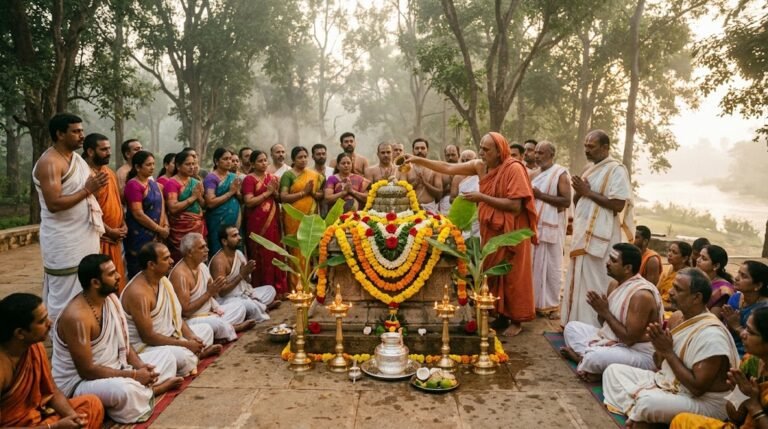
This hymn is often chanted during special occasions like Maha Shivaratri and other Shiva-centric observances to invoke blessings, courage, and spiritual focus. Understanding Shiva Tandava Stotram Telugu is essential.
Origins And Historical Context
The traditional lore describes that Ravana composed the Shiva Tandav Stotram after profound devotion and deep spiritual communion with Lord Shiva. He is said to have sung 1008 verses in praise of Shiva’s majestic form and dance.
When I first read about this legend, what surprised me was how a figure often portrayed as an antagonist in the Ramayana could also embody intense devotion and poetic genius — revealing the layered nature of mythological characters.
Shiva Tandav Stotram In Telugu Lyrics With Transliteration
Below is an authentic excerpt of the Shiva Tandav Stotram in Telugu Lyrics, presented in verses. For devotional chanting, you may use this as a reference. This relates to Shiva Tandava Stotram Telugu.
జటాటవీగలజ్జల ప్రవాహ పావితస్థలే గలేవలంబ్య లంబితాం భుజంగ తుంగ మాలికామ్ | డమడ్డమడ్డమడ్డమన్నినాద వడ్డమర్వయం చకార చండ తాండవం తనోతు నః శివః శివమ్ || 1 || జటాకటాహ సంభ్రమ భ్రమ న్నిలింపు నిర్ఝరీ – విలోలవీ చివల్లరీ విరాజమాన మూఢర్ధని | ధగద్ధ గద్ధగ జ్జ్వల లల్లలాట పట్ట పావకే కిశోరచంద్ర శ్ఖరే రతిః ప్రతిక్షణం మమ || 2 || ధరాధరేంద్ర నందినీ విలాస బంధు బంధుర స్ఫురత్ దిగంత సంతతి ప్రమోదమాన మానసే | కృపాకటాక్ష ధోరణీ నిరుద్ధ దుర్ధరాపది క్వచిద్దిగంబరే మనో వినోదమేతు వస్తుని || 3 ||
Additionally, this is only a partial set of lines from the complete hymn. Portions of the full lyrics can be found on devotional sites that preserve traditional texts.
Meaning And Interpretation Of Key Verses
Understanding the meaning deepens your connection while chanting. Here is a concise interpretation of the initial verses: Learn more about Shiva Tandava Stotram Telugu.
| Verse (Telugu) | Meaning (English Summary) |
|---|---|
| జటాటవీ… భుజంగ తుంగ మాలికామ్ | Describes Shiva’s matted locks with Ganga flowing and serpents as ornaments, performing the fierce Tandava. |
| జటాకటాహ సంభ్రమ… | The depiction of Shiva with intense energy and beauty, embodying cosmic force. |
| ధరాధరేంద్ర నందినీ… | Praises Shiva as the source of joy and remover of ego and obstacles. |
These meanings help deepen both devotional and philosophical appreciation when reciting the verses.
Step-By-Step Guide To Chanting The Stotram
Here’s a structured approach to chanting the Shiva Tandav Stotram meaningfully:
1. Prepare A Quiet Space
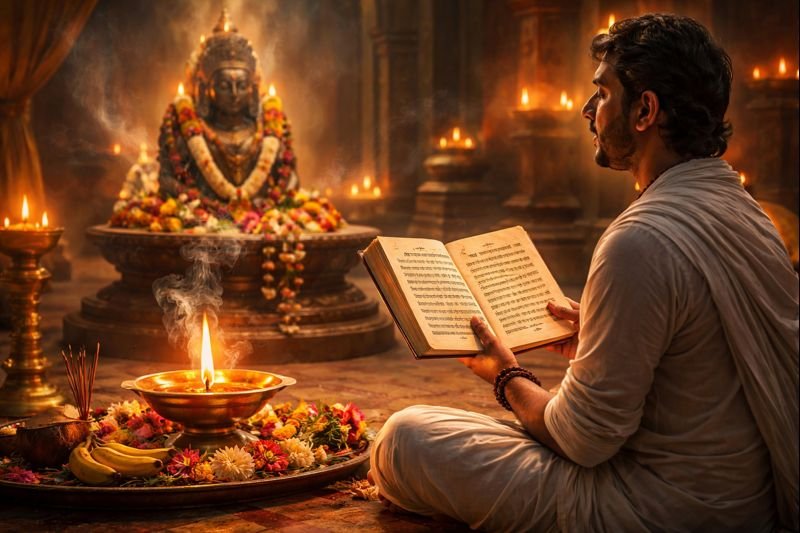
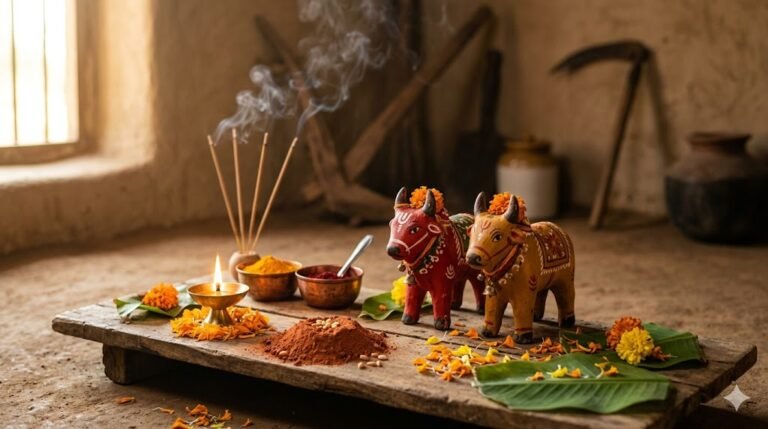
Find a clean, peaceful area at home or near an altar. Light a diya or incense to create a devotional ambience. This relates to shiva tandava stotram telugu.
2. Set Your Intention
Before starting, take a moment to pray silently for clarity, focus, and devotion. This aligns your mind with the hymn’s energy.
3. Use Proper Pronunciation
If you are new to Sanskrit or Telugu pronunciations, play a recorded version first. Clear enunciation honors the sounds traditionally associated with spiritual vibration.
4. Begin With Deep Breaths
Take slow, calm breaths before beginning. Chant in a rhythmic cadence, matching the stotram’s meter. This relates to shiva tandava stotram telugu.
5. Pause And Reflect
After a set of verses, pause briefly. Reflect on the meaning, breath, and inner peace before continuing.
Tips And Best Practices For Devotees
- Choose a consistent time for chanting daily for maximum benefit.
- Keep a written copy of the Telugu lyrics to avoid mistakes in recitation.
- Chant with devotion rather than speed. Quality over quantity matters.
- Play a melodic version in the background if it helps maintain rhythm.
Common Mistakes To Avoid
- Avoid forcing pronunciation; take time to learn phonetics.
- Do not rush through verses just to finish quickly.
- Avoid chanting without focus — mindful repetition yields deeper impact.
- Never alter traditional verses unless guided by an authoritative text.
Personal Reflections And Experience
When I visited Shiva temples during Maha Shivaratri, I noticed how chanting the Shiva Tandav Stotram created a palpable spiritual atmosphere around devotees. I personally recommend learning small segments of this hymn each day, rather than trying to memorize all verses at once — this deepens both understanding and devotion.
Frequently Asked Questions (FAQ)
Is The Shiva Tandav Stotram Only In Sanskrit?
The original hymn is in Sanskrit, but it has been preserved and recited widely in Telugu with transliteration and meaning to aid devotional practice. This relates to shiva tandava stotram telugu.
Who Composed The Shiva Tandav Stotram?
Tradition attributes its composition to Ravana, the king of Lanka, as a profound expression of devotion to Lord Shiva.
When Is The Best Time To Chant It?
It can be chanted any time, but dawn, dusk, and auspicious days like Maha Shivaratri or Mondays are considered particularly beneficial.
What Are Its Benefits?
Devotees believe regular chanting enhances focus, invites courage, purifies the mind, and brings Shiva’s blessings. Cultural perspectives vary, and personal devotion matters deeply in practice. This relates to shiva tandava stotram telugu.
In contrast, this hymn brings together poetry, devotion, cosmic symbolism, and spiritual energy in a way that resonates with seekers across generations. Chanting with sincere intent and proper pronunciation bridges the gap between sound and inner peace.


+ There are no comments
Add yours