Sri Vyasa Pooja is an information guide — we do not book poojas or take payments. The details below are meant to help you understand the ritual and plan your visit, after which you should book only through the temple counter or the official Andhra Pradesh Endowments channel.
Key Information at a Glance
| Temple | Sri Kalahastheeswara Swamy Vari Devasthanam, Srikalahasti, Andhra Pradesh |
| Famous for | Rahu-Ketu Sarpa Dosha / Kala Sarpa Dosha Nivarana Pooja |
| Pooja timings | Daily, approximately 6 AM to 6 PM (batches run through the day) |
| Duration | About 30 to 45 minutes per batch (indicative) |
| Indicative cost | Around ₹500 to ₹5,000 depending on hall and group size |
| Booking | Mainly at temple counters; some sevas via aptemples.ap.gov.in — confirm at temple |
| Materials | Usually provided by the temple with the ticket |
| Nearest railway station | Srikalahasti (about 2 km from the temple) |
| Distance from Tirupati | About 36 km |
About the Rahu-Ketu Pooja and Its Significance
In Hindu astrology, Rahu and Ketu are the two shadow planets, or lunar nodes. When the birth chart shows all planets positioned between them, it is described as Kala Sarpa Dosha, and the affliction caused by these nodes is broadly called Sarpa Dosha. Devotees believe this combination can create delays, obstacles, and recurring difficulties in areas such as marriage, children, career, and health.
Srikalahasti is the temple most closely associated with the remedy for this dosha. The town’s name itself comes from a spider (Sri), a serpent (Kala), and an elephant (Hasti) who, according to legend, worshipped Lord Shiva here. The presiding deity, Sri Kalahastheeswara, is revered as the Vayu (air) lingam among the Pancha Bhoota Sthalams, the five temples representing the elements. Because of this serpent connection, pilgrims from across India and abroad come specifically for the Rahu-Ketu Sarpa Dosha Nivarana pooja, performed by temple priests on the devotee’s behalf.
The pooja is a faith practice, not a guaranteed outcome. Many devotees report a sense of peace and resolution after performing it, but you should approach it as a religious observance and consult a qualified astrologer or the temple priests about whether it suits your chart.
How to Book or Perform the Pooja Officially, and Cost
The most common way to perform the Rahu-Ketu pooja at Srikalahasti is to buy a ticket in person at the temple’s authorised pooja counters on the day of your visit. Arriving early in the morning is advisable, as batches fill through the day. When you buy the ticket, the temple typically provides the required pooja materials, so there is usually no need to purchase items separately from shops outside.
Srikalahasti Devasthanam is managed under the Andhra Pradesh Endowments Department, and some of its sevas and darshan tickets appear on the official portal at aptemples.ap.gov.in. Online availability for this specific pooja has varied over time, so treat the portal as one possible route rather than a guarantee. Always verify the current process on the official site or at the temple before relying on it.
| Category (indicative) | Approx. cost | Notes |
| Basic / general hall | Around ₹500 | Commonly for the devotee plus one |
| Mid tier | Around ₹750 to ₹1,500 | May include a better hall or seating |
| Higher tier | Around ₹2,500 to ₹5,000 | Larger mandapams, may allow a small family group |
Please confirm at the temple: ticket categories, prices, and what each one includes change from time to time, and different sources quote different figures. The amounts above are indicative only. Check the exact, current rate at the temple counter or on the official Andhra Pradesh Endowments portal before you pay.
Timings and What to Bring
The Rahu-Ketu pooja is generally available daily from around 6 AM to 6 PM, with batches running through the day and each batch lasting roughly 30 to 45 minutes. Many devotees prefer the Rahu Kalam period, and Tuesdays and Sundays are considered especially auspicious for this remedy, so those days and slots tend to be busier. The main temple darshan follows its own schedule; you can review the latest hours on our Srikalahasti temple darshan timings today page.
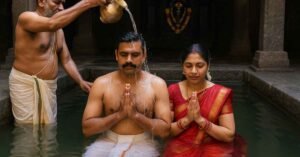
What to bring: a valid photo ID (such as Aadhaar) may be requested at the counter, and the temple usually supplies the pooja materials with the ticket. Dress modestly in traditional attire, as is customary in South Indian temples. Some devotees take a bath in the Swarnamukhi river or change into fresh clothes before the ritual, since the pooja often involves the devotee participating directly. Carry cash, as card or UPI may not always be available at every counter. Confirm any specific requirements with temple staff on arrival.
How to Reach Srikalahasti
Srikalahasti town is in the Tirupati district of Andhra Pradesh, about 36 km from Tirupati. The town has its own railway station, Srikalahasti, located roughly 2 km from the temple and connected to several cities in the region. The Srikalahasti bus stand is within easy reach of the temple, and frequent buses and shared cabs run between Tirupati and Srikalahasti throughout the day, making it a common add-on for pilgrims visiting Tirumala. The nearest major airport is at Tirupati. Once in town, autos and local transport can take you the short distance to the temple gopuram.
Frequently Asked Questions
Is Srikalahasti the best temple for Rahu-Ketu Sarpa Dosha pooja?
Srikalahasti is widely regarded as the foremost and most famous temple in India for the Rahu-Ketu Sarpa Dosha and Kala Sarpa Dosha Nivarana pooja, drawing devotees from across the country and abroad for this remedy.
Can I book the Rahu-Ketu pooja online?
Most devotees buy the ticket in person at the temple counters. Some Srikalahasti sevas appear on the official Andhra Pradesh Endowments portal at aptemples.ap.gov.in, but online availability for this specific pooja has varied, so confirm the current method with the temple before you travel.
How much does the Rahu-Ketu pooja cost at Srikalahasti?
Indicative ticket categories range from about Rs. 500 to Rs. 5,000 depending on the hall and group size. These figures are approximate and change over time, so confirm the exact, current rate at the temple counter.
Do I need to bring my own pooja materials?
Usually no. The temple typically provides the required pooja materials when you purchase the ticket, so most devotees do not need to buy items separately. Carry a valid photo ID and dress in traditional attire, and confirm any specific requirements with temple staff.