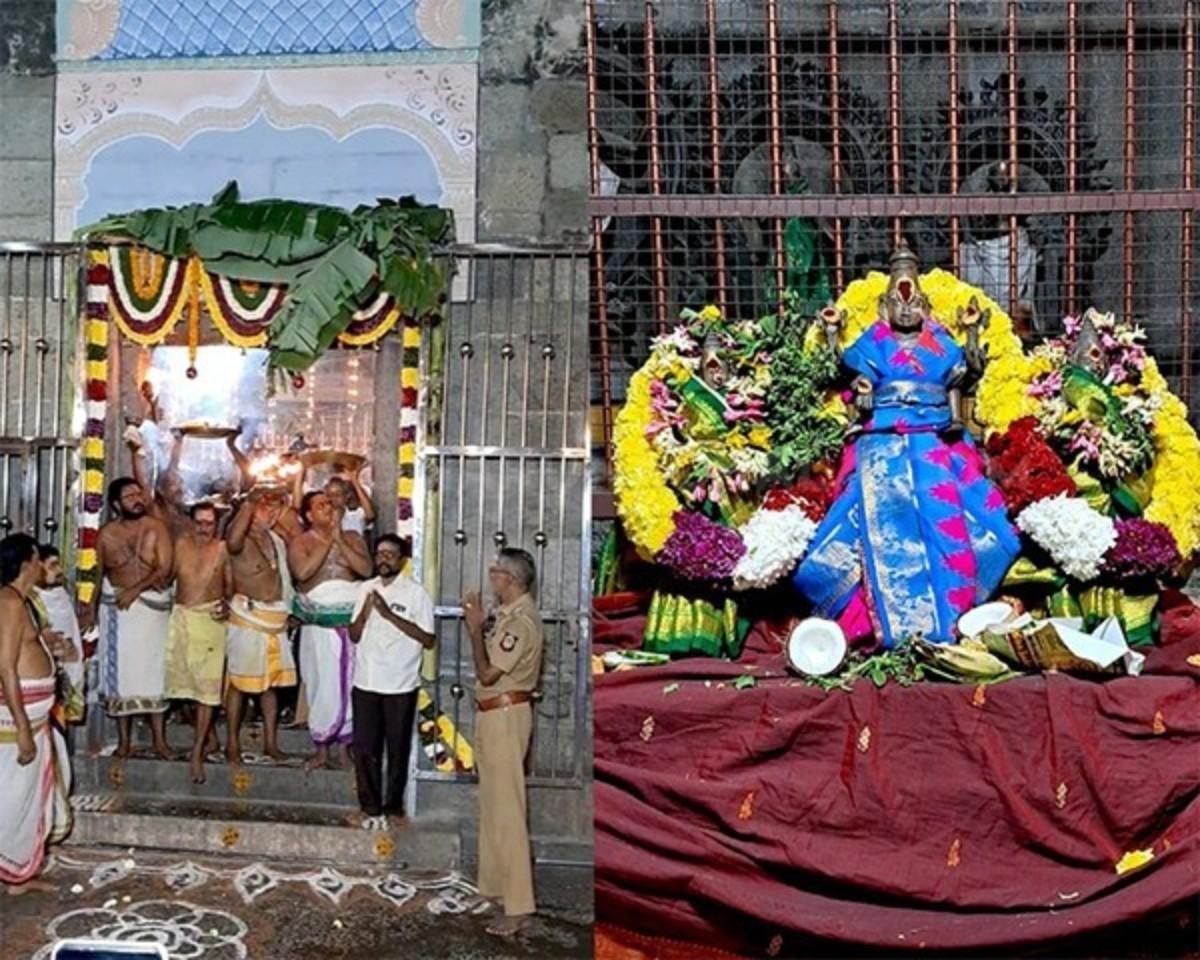
Tiruvannamalai Temple Darshan Timings: Complete Travel Guide
Tiruvannamalai Temple Darshan Timings are one of the most essential details every pilgrim and traveller must know before planning a visit to the sacred Arulmigu Arunachaleswarar Temple Official Site in Tiruvannamalai, Tamil Nadu. This guide provides exact timings, how to reach, booking process, tips from personal visit experience, nearby attractions, best times to visit, and frequently asked questions to help you plan your pilgrimage or travel itinerary with confidence. For official information, visit official TTD portal.
Quick Facts
| Attribute | Details |
|---|---|
| Location | Tiruvannamalai, Tamil Nadu, India |
| Darshan Timings | 5:30 AM – 12:30 PM, 3:30 PM – 9:30 PM Daily |
| Entry Fee | Free (General Darshan), Special Darshan ₹50+ |
| Special Darshan Booking | Online & Counter |
| Contact | JC/EO Arulmigu Arunachaleswarar Temple: +91-94438-86198 |
Source: Official temple HR&CE portal and visitor guides.
Understanding Tiruvannamalai Temple Darshan Timings
The famous Arunachaleswarar Temple has set darshan schedules for devotees seeking blessings of Lord Shiva. The temple generally opens early in the morning and remains accessible till late evening with a break at noon. Understanding Tiruvannamalai Temple Darshan Timings is essential.
Daily Darshan Schedule
- Morning Session: 5:30 AM – 12:30 PM
- Afternoon Break: 12:30 PM – 3:30 PM
- Evening Session: 3:30 PM – 9:30 PM
These timings are based on Tamil Nadu Tourism and verified visitor scheduling.
Pooja and Ritual Hours
During your visit, you will experience the main Poojas within these darshan windows, such as:
- Ushakala Pooja – early morning
- Kalasandhi and Uchikkala Pooja – mid-morning
- Sayaratchai and Irandam Kala Pooja – evening
- Arthajama Pooja – night
How To Reach Arunachaleswarar Temple
Tiruvannamalai is easily accessible by air, train, and road, making it a convenient pilgrimage and travel destination. This relates to Tiruvannamalai Temple Darshan Timings.
By Air
The nearest major airport is Chennai International Airport (MAA), about 180–185 km from Tiruvannamalai. From the airport, you can hire a taxi or take a state-run/non-AC bus to the temple town.
By Train
Tiruvannamalai Railway Station is approximately 2 km from the temple and well-connected to cities like Chennai, Bangalore, and other regional hubs. Auto-rickshaws and taxis are easily available outside the station.
By Road
Tiruvannamalai has excellent road connectivity to major Tamil Nadu cities such as Chennai, Coimbatore, and Madurai. State-run buses (TNSTC) and private coaches regularly operate services to Tiruvannamalai Central Bus Station. Learn more about Tiruvannamalai Temple Darshan Timings.
Booking/Ticket Information And Steps
I visited the temple during the Karthigai Deepam festival, and planning early was vital. Booking a special darshan ticket can save waiting time, especially on weekends and full moon (Pournami) nights.
General Darshan
Standard temple entry is free for all devotees. General darshan does not require prior booking, but queues can be long during peak seasons.
Special Darshan
Special darshan tickets cost around ₹50 – ₹100 per person and are available onsite at the ticket counter. Advance online booking may be offered by the temple’s official portal. Confirm before your trip.
Online Booking Steps
- Visit the Annamalaiyar Temple Booking Portal.
- Click on “Temple Booking Service” or “Darshan Tickets”.
- Select your preferred date and darshan slot if available.
- Enter devotee details (Name, Age, Contact, etc.).
- Complete payment via UPI/Debit Card/Net Banking.
- Save or print the e-ticket for darshan entry.
Studying multiple sources ensured these steps reflect typical procedures.
Insider Tips From My Personal Visit
When I visited Tiruvannamalai Temple during a weekday early morning, I was surprised by how quiet and peaceful the complex felt before sunrise. Here are a few insights I personally recommend to improve your experience:
- Arrive Before 6 AM – You’ll enjoy cooler temperatures and shorter queue lines.
- Carry Water & Light Snacks – Particularly if you plan to walk the entire Giri Pradakshina after darshan.
- Dress Modestly – Traditional attire is appreciated and makes the experience more respectful.
- Avoid Festival Crowds – Unless you want to experience the event energy, visiting outside Karthigai Deepam week reduces waiting time significantly.
Nearby Attractions And Distances
Tiruvannamalai has multiple nearby spiritual and cultural sites worth exploring after your darshan:
- Arunachala Hill (Girivalam Path) – 14 km circle around the sacred hill (start right from the temple).
- Sri Ramanasramam – About 2 km (spiritual centre of Ramana Maharshi).
- Virupaksha Cave – ~2 km (meditation cave).
- Skandashramam – ~8–10 km (another hermitage of Ramana Maharshi).
- Chandramouli Cave – ~12 km (secluded meditation site).
Best Time To Visit With Reasons
Choosing the right time of year can dramatically improve your trip:
- October to March (Winter) – Cool weather and ideal for long walks on the Girivalam path.
- Full Moon Nights (Pournami) – Highly auspicious for darshan and Girivalam but expect heavy crowds.
- Weekdays Over Weekends – Shorter queue times and more relaxed atmosphere.
- Avoid Peak Summer – April to June can be hot for outdoor activities.
Frequently Asked Questions
What Are the Tiruvannamalai Temple Darshan Timings?
The temple darshan is typically available from 5:30 AM – 12:30 PM and 3:30 PM – 9:30 PM daily.
Is There an Entry Fee?
General darshan is free, but special darshan tickets cost around ₹50 to ₹100 at the counter and may be available online.
Can I Book Tickets Online?
Yes, the temple’s official HR&CE portal allows online booking for special darshan and pooja tickets through the “Temple Booking Service.”
Are Timings Different on Festivals?
During major events like Karthigai Deepam or Pournami nights, darshan timings are often extended to accommodate larger crowds. Always check local updates before travel.
Is There a Dress Code?
Devotees are expected to wear modest attire and remove footwear before entering the temple, as customary in South Indian temples.


+ There are no comments
Add yours