Kaleshwaram Sarpa Dosha Pooja: Essential Guide to Ritual, Timing & Benefits
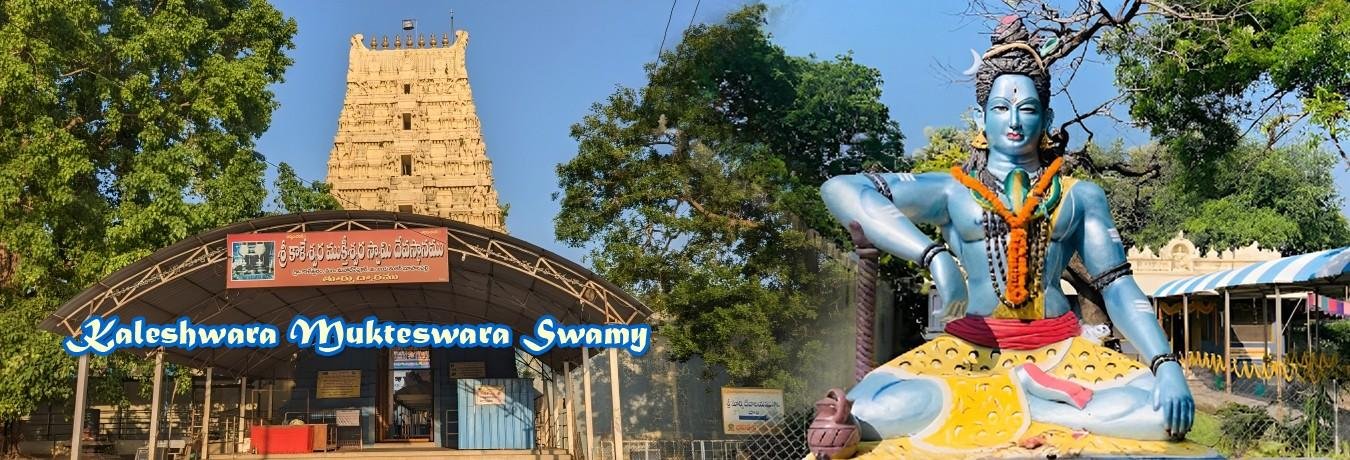
Kaleshwaram Sarpa Dosha Pooja is a sacred ritual performed at the historic Kaleshwara Mukteswara Swamy Temple in Kaleshwaram, Telangana, India. This special ceremony aims to help devotees overcome the effects of Sarpa Dosha (often linked to planetary imbalances involving Rahu and Ketu) believed to cause delays in marriage, financial hurdles, health issues, and other obstacles in life. The temple is one of the significant Shiva shrines in the region and draws pilgrims from across the country seeking relief through this ancient pooja.
Understanding Sarpa Dosha And Its Significance
Sarpa Dosha (also referred to as Kala Sarpa Dosha or Nagadosha) arises when all seven planets in one’s horoscope are positioned between the nodes Rahu and Ketu. Astrologers traditionally associate this alignment with life challenges that may manifest as delays in marriage, health complications, career stagnation, or emotional stress. Performing dedicated rituals like the Kaleshwaram Sarpa Dosha Pooja is believed to help reduce these adverse effects by invoking divine blessings and balancing planetary influences.
In contrast, in Hindu belief systems, Lord Shiva is revered as the destroyer of negative forces and afflictions, and performing a specific pooja at a sacred Shiva temple like Kaleshwaram is considered spiritually powerful and auspicious.
Kaleshwara Mukteswara Swamy Temple: Location And Background
The Kaleshwara Mukteswara Swamy Temple is a historic Hindu shrine located in Bhoopalpally district of Telangana, India. The temple is unique because it houses two Shiva Lingas on a single pedestal, representing Lord Shiva and Lord Yama — a rare architectural and spiritual feature. This site is considered the second most sacred place in South India after Kashi for Shiva worship.
What Is Kaleshwaram Sarpa Dosha Pooja?
The Kaleshwaram Sarpa Dosha Pooja is a specialized ritual aimed at neutralizing the negative influences of Sarpa Dosha in a devotee’s horoscope. This ritual includes invocation of serpent energies (often represented as symbolic idols or mantras associated with Rahu-Ketu), chanting of sacred verses, and prayers to Lord Shiva for spiritual upliftment and relief from dosha-related challenges.
At the Kaleshwaram temple, this pooja is categorized under the daily seva offerings and is accessible to both local and visiting devotees. While the spiritual outcome depends on individual belief and astrological consultation, thousands of devotees participate in this pooja each year seeking peace, prosperity, and harmony.
Step-by-Step Procedure For Performing Kaleshwaram Sarpa Dosha Pooja
1. Preparation Before Pooja
Devotees are encouraged to undertake a simple purification before the ritual. This often includes:
- Taking an early morning bath to purify the body and mind.
- Wearing clean traditional attire (preferably white or light colors) to maintain spiritual decorum.
- Keeping a calm and focused mindset before entering the temple premise.
2. Arrival At Temple
Reach the temple early, at least 60–90 minutes before the pooja slot if you want to perform the ritual during a specific auspicious time like Rahukalam or Amavasya. Tickets for the pooja and other associated services are typically purchased at the temple counter as advance booking or online booking is not offered for this particular seva at Kaleshwaram.
3. Abhishekam To Shiva Linga
Before the Sarpa Dosha ritual, many devotees choose to perform Abhishekam (holy bathing of the Shiva Linga) with milk, honey, and sacred waters. You can purchase Abhishekam tickets at an additional cost (e.g., ₹1000 per person). This sets a spiritual foundation for the Sarpa Dosha pooja.
4. Performing The Sarpa Dosha Pooja
After Abhishekam, devotees participate in the Kaleshwaram Sarpa Dosha Pooja. A priest leads the ritual, which includes chanting sacred mantras, offering flowers and incense, and seeking blessings to mitigate the effects of Sarpa Dosha. The ritual typically lasts about 45–60 minutes.
5. Concluding Rituals
After the pooja, devotees might be advised to:
- Offer prayers at nearby sub-shrines (Saraswati Devi, Ganesha, etc.).
- Perform pradakshina (circumambulation) around the sanctum.
- Light a diya or lamp as a devotional offering.
- Take prasad (sacred food) offered by the temple.
Timings And Booking Details
The Kaleshwaram Sarpa Dosha Pooja is available daily at the Kaleshwara Mukteswara Swamy Temple. While specific batch timings are not always published online for every day, the general temple darshan and major seva windows are as follows:
| Service | Price (₹) | Notes |
|---|---|---|
| Sarpa Dosha Nivarana Pooja | 600 | Daily offerings; tickets at temple counter |
| Abhishekam (Garbhagriha) | 1000 | Optional before pooja |
| Navagraha Pooja | 300 | General astrology-related pooja |
| Kunkuma Archana | 150 | Additional offering |
Prices are based on official temple listings. Fees for Sarpa Dosha Pooja may vary slightly by year or festival period.
In contrast, the temple typically opens early in the morning and may close by evening. For specific darshan and pooja times, consult local temple notices or call the temple office.
Benefits Reported By Devotees
Devotees who perform the Kaleshwaram Sarpa Dosha Pooja often report experiencing:
- A sense of emotional relief and peace.
- Reduction in anxiety related to personal goals (marriage, career, health).
- Strengthened belief in auspicious life outcomes after rituals.
- Improved clarity in life decisions due to a calmer mind set.
These observations are based on pilgrim experiences and traditional beliefs rather than scientific verification. Individual outcomes could vary.
Tips And Best Practices For Devotees
Choose Auspicious Days
While the pooja is available every day, many astrologers and devotees prefer performing it on Tuesdays, Sundays, or Amavasya days believed to be spiritually potent for planetary remedies.
Arrive Early For Desired Slots
If you want to perform the ritual during Rahukalam (a specific period on certain weekdays believed to be auspicious), arrive at least 90 minutes before the start time. Ticket counters often close for specific slots once quotas are filled.
Follow Temple Etiquette
Wear modest, clean clothing. Remove footwear before entering sanctums and avoid using mobile phones in the inner premises. Respect local customs observed by temple priests and staff.
Common Mistakes To Avoid
- Waiting until the last minute to book a pooja ticket during peak seasons like Amavasya or festivals.
- Assuming online booking is available — most tickets must be purchased at the temple counter.
- Not consulting an astrologer if you want specific planetary remedies or timing guidance.
- Skipping basic purification like bathing before attending the ritual, which can affect personal spiritual focus.
Frequently Asked Questions (FAQ)
1. Is Sarpa Dosha verification mandatory before pooja?
No — many devotees perform the Sarpa Dosha Pooja as a precautionary spiritual remedy even without formal horoscope verification. However, consulting an astrologer can help tailor the ritual to your needs.
2. Can couples perform this pooja together?
Yes. Couples often participate together and purchase separate tickets if needed, depending on ticket policy at the counter on that day.
3. Are there any dress code requirements?
While there is no strict dress code at the temple, wearing traditional or modest attire is recommended to honor the sanctity of the ritual and temple environment.
4. Do I need to fast for the pooja?
Fasting or abstaining from heavy meals before pooja is a personal choice and cultural preference but is not mandatory.
5. Can I perform this pooja on auspicious dates like Amavasya?
Yes. Many devotees prefer performing it on Amavasya or Tuesdays, which are considered spiritually significant for Sarpa Dosha remedies.


+ There are no comments
Add yours