Quick answer: Rudrabhishekam at Sri Ramanathaswamy Temple, Rameshwaram, is a sacred abhishekam of the Jyotirlinga performed daily during temple hours. It is arranged through the temple’s HR&CE-managed counters, and the ticket fee is indicative (commonly cited around ₹1,500, materials usually included). Booking is generally done at the temple ticket counter on the day of the puja; some devotees also check the official portal. Always confirm the current timing, rate and number of persons allowed directly at the temple before you plan.
Rameshwaram, on the eastern tip of Tamil Nadu, is one of the twelve Jyotirlingas and a revered Char Dham site. Among the rituals devotees seek here, the Rudrabhishekam is one of the most meaningful. This guide explains what it is, when it is performed, how to arrange it through official channels, and how to reach the temple. Sri Vyasa Pooja is an information guide — we do not book sevas or take payments. All bookings happen directly with the temple and the Tamil Nadu HR&CE department.
Key Information at a Glance
| Temple | Arulmigu Ramanathaswamy Temple, Rameshwaram |
| Location | Rameswaram, Ramanathapuram District, Tamil Nadu – 623526 |
| Managed by | Tamil Nadu HR&CE Department |
| Ritual | Rudrabhishekam (abhishekam of the Jyotirlinga) |
| Indicative fee | Around ₹1,500 (confirm at temple) |
| Booking | Temple ticket counter / official HR&CE portal |
| Official website | rameswaramramanathar.hrce.tn.gov.in |
About Rudrabhishekam and Its Significance
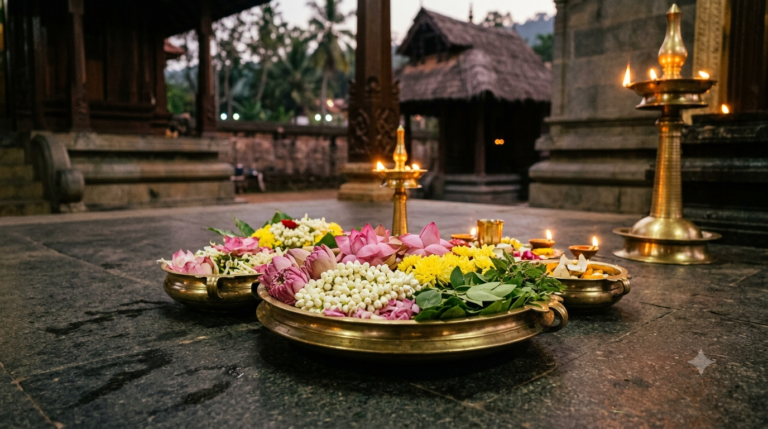
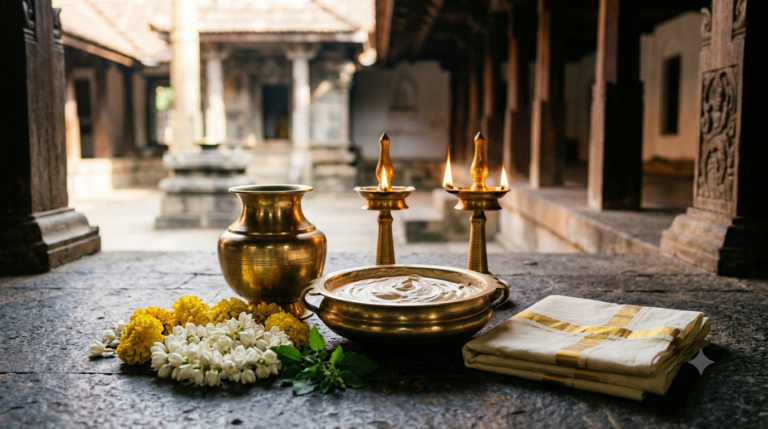
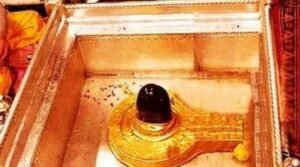
Rudrabhishekam is the ceremonial bathing of the Shiva lingam while priests chant the Rudram, a sacred Vedic hymn dedicated to Lord Shiva in his Rudra form. During the ritual the lingam is anointed with substances such as milk, curd, honey, ghee, coconut water and sacred water, each offered with mantras. At Rameshwaram, where the lingam is honoured as one of the twelve Jyotirlingas, this abhishekam carries deep meaning for pilgrims.
Devotees traditionally believe the Rudrabhishekam helps remove obstacles, brings peace of mind and invites the grace of Lord Shiva. According to the temple’s legend, Lord Rama himself worshipped Shiva here, which makes any abhishekam at this shrine especially significant for those on the Char Dham or Jyotirlinga pilgrimage. The ritual is performed with care by the temple priests, and the experience of witnessing the chanting and offerings is, for many, the heart of their visit.
Timings and Cost
The temple generally opens early in the morning and remains accessible through the day with a midday break. Rudrabhishekam and other abhishekam services are offered within these hours. The figures below are indicative and gathered from commonly reported sources; rates and slots change, so please confirm the latest details at the temple counter.
| Morning ritual hours | Approximately 7:00 AM – 1:00 PM |
| Evening ritual hours | Approximately 3:00 PM – 7:00 PM |
| Indicative fee | Around ₹1,500 (puja materials usually included) |
| Persons per ticket | Limited (varies; small extra charge per additional person) |
| Approx. duration | About one hour |
Please note: timings, fees and the number of persons allowed per ticket are indicative only and may change on festival days or for administrative reasons. Always confirm the current rate, slot and rules at the temple before planning your visit.
How to Book or Sponsor It Officially
The Ramanathaswamy Temple is administered by the Tamil Nadu Hindu Religious and Charitable Endowments (HR&CE) Department, which is the only official authority for sevas and pooja tickets here. To arrange a Rudrabhishekam:
- Visit the temple ticket counter on the day of the puja. Many abhishekam tickets at Rameshwaram are issued over the counter for the same day rather than far in advance, so it helps to arrive early.
- Check the official HR&CE temple portal at rameswaramramanathar.hrce.tn.gov.in for any online booking or donation options that may be available.
- Ask the temple staff at the counter about the current fee, the number of persons covered and the next available slot.
- Carry a valid photo ID, as it may be requested at the counter.
Avoid unofficial agents or third-party websites that promise guaranteed bookings, as the temple administration handles all genuine seva tickets. For darshan planning alongside your ritual, see our guide to Rameshwaram temple morning darshan timings and online booking.
What to Bring and How to Reach
Many pilgrims take a holy bath in the temple’s 22 sacred wells (theerthams) before darshan and abhishekam, so carry a change of clothes and a towel. A traditional dress code is expected: men commonly wear a white dhoti or pancha with a shirt or kurta, and women wear a saree with blouse, a salwar with dupatta or a half-saree. Bring your photo ID and keep electronics and valuables to a minimum, as restrictions may apply inside.
Rameshwaram is on Pamban Island, connected to the mainland by road and rail across the Pamban bridge. The nearest railway station is Rameswaram, well linked to Madurai and Chennai. The closest major airport is Madurai, roughly three to four hours away by road, from where buses and taxis are readily available. State and private buses also run to Rameshwaram from Madurai, Tiruchirappalli and other Tamil Nadu cities.
Frequently Asked Questions
What is Rudrabhishekam at Rameshwaram?
It is the ceremonial bathing of the Shiva lingam, one of the twelve Jyotirlingas, with sacred substances like milk, honey and water while priests chant the Vedic Rudram. It is one of the most revered rituals devotees seek at the Ramanathaswamy Temple.
How much does Rudrabhishekam cost at Rameshwaram?
The fee is indicative and commonly reported at around ₹1,500, usually including puja materials. Rates can change, so please confirm the current amount at the temple ticket counter before booking.
How do I book the Rudrabhishekam officially?
Bookings are handled by the Tamil Nadu HR&CE department. You can buy the ticket at the temple counter, often on the same day, or check the official portal at rameswaramramanathar.hrce.tn.gov.in for any online options. Sri Vyasa Pooja does not book sevas or take payments.
What should I wear and carry for the ritual?
A traditional dress code applies: men wear a dhoti or pancha, and women wear a saree or salwar with dupatta. Carry a photo ID, and bring a change of clothes if you plan to bathe in the 22 sacred wells before darshan.