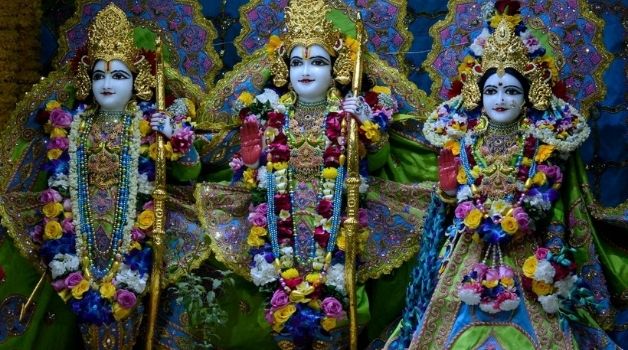
Sri Raghavendra Mangalashtakam Telugu Lyrics And Spiritual Guide
Sri Raghavendra Mangalashtakam Telugu is a sacred hymn (स्तोत्र) in praise of Sri Raghavendra Swamy, the revered Dvaita saint of Mantralayam. This devotional octet is widely chanted by devotees for auspicious blessings, spiritual upliftment, and inner peace. The hymn’s verses glorify the guru’s divine qualities and invoke “Sri Matsadgururaghavendrayatirat Kuryaad Dhruvam Mangalam” — asking that the guru bestow unfailing auspiciousness.
Introduction To Sri Raghavendra Swamy And The Hymn
Sri Raghavendra Swamy (also known as Raghavendra Tirtha) was a 17th century Vaishnava saint, scholar, and pontiff of the Raghavendra Matha, later centered at Mantralayam, Andhra Pradesh. His life and works continue to influence millions of devotees today.
The “Mangalashtakam” is a devotional hymn consisting of eight verses (plus a concluding **Phala Shruti** stating the benefits of recitation). It was composed by Sri Appanacharya, the beloved disciple of Sri Raghavendra Swamy, in praise of his guru’s divine compassion and grace. Understanding Sri Raghavendra Mangalashtakam Telugu is essential.
Historical Background Of The Hymn
Sri Appanacharya was deeply devoted to Sri Raghavendra Swamy and authored several hymns in his honor, including the Sri Raghavendra Stotra and Mangalashtakam. The compositions were created to express the saint’s spiritual qualities and to enable devotees to seek his blessings through devotional chanting.
During the Samadhi entry of Sri Raghavendra Swamy in Mantralayam, Appanacharya composed devotional verses, highlighting his profound guru-bhakti and insight into the saint’s spiritual stature.
Telugu Lyrics Of Sri Raghavendra Mangalashtakam
The Telugu version of the hymn brings out the poetic and devotional essence of the Sanskrit original. Below are the verses as traditionally recited by devotees: This relates to Sri Raghavendra Mangalashtakam Telugu.
| Sloka | Telugu Verse |
|---|---|
| 1 | శ్రీమద్రామపాదారవిందమధుపః శ్రీమధ్వవంశాధిపః… |
| 2 | కర్మన్దీన్ద్రసుధీన్ద్రసద్గురుకరామ్భోజోద్భవః… |
| 3 | సాలఙ్కారకకావ్యనాటకకలాకాణాదపాతంజల… |
| 4 | రఙ్గోత్తుంగతరఙ్గమఙ్గలకర శ్రీతుంగభద్రాతట… |
| 5 | విద్వద్రాజశిరఃకిరీటఖచితానర్ఘ్యోరురత్నప్రభాః… |
| 6 | యద్వృందావనసత్ప్రదక్షిణనమస్కారాభిషేకస్తుతి… |
| 7 | వేదవ్యాసమునీశమధ్వయతిరాట్ టీకార్యవాక్యామృతం… |
| 8 | శ్రీమద్వైష్ణవలోకజాలకగురుః శ్రీమత్పరివ్రాడ్గురుః… |
| Phala Shruti | యస్సంధ్యాస్వనిశం గురోర్యతిపతే… పాపహరం… కీర్తిం… దిర్ఘాయురారోగ్యకం… |
This transliterated Telugu text is drawn from authoritative sources documenting the traditional hymn as chanted in temples and by devotees worldwide.
Meaning And Essence Of The Hymn
The word **“Mangalashtakam”** combines “Mangala” (auspicious) with “Ashtakam” (eight verses). Each verse praises Sri Raghavendra Swamy’s divine qualities — his mastery of scriptures, compassionate heart, dedication to devotees, and embodiment of spiritual bliss.
- Verse 1–4: Describe the saint’s noble attributes — his lineage, renunciation, and divine presence.
- Verse 5–8: Highlight his universal grace, spiritual knowledge, and the auspicious blessings he bestows.
- Phala Shruti: States benefits including removal of sins, prosperity, health, and family well-being for sincere reciters.
Benefits Of Reciting Sri Raghavendra Mangalashtakam
Devotees traditionally chant this hymn with faith to receive the blessings of Sri Raghavendra Swamy. Believed benefits include: Learn more about Sri Raghavendra Mangalashtakam Telugu.
- Relief from mental stress and obstacles.
- Inner peace and spiritual clarity.
- Strengthened devotion and focus during meditation.
- Fulfillment of sincere wishes and auspicious beginnings.
These benefits are rooted in centuries of devotional practice among followers at Sri Raghavendra Swamy Matha Mantralayam Official Website, a key center of worship and tradition.
Step-By-Step Guide To Chanting The Hymn
Follow this practical method when reciting the hymn for spiritual focus:
- Choose a quiet place before a guru’s picture or at a temple altar.
- Wash hands and feet, sit with a calm mind, and take a few deep breaths.
- Start by softly reciting the first sloka, focusing on meaning.
- Proceed to chant all eight verses slowly. Repeat the concluding Phala Shruti.
- End with a silent prayer offering gratitude.
Use of rosary beads (జపమాల) for counting repetitions is a common devotional practice among many devotees.
Common Mistakes To Avoid While Chanting
Here are pitfalls that can reduce the effectiveness of your practice:
- Chanting mechanically without understanding or intention.
- Reciting while distracted or in a noisy environment.
- Skipping the Phala Shruti or concluding prayer.
- Chanting hurriedly — take your time to absorb the meaning.
Personal Reflections And Best Practices
When I visited the Sri Raghavendra Swamy Matha Official Website and Mantralayam temple’s historical accounts, what surprised me most was the depth of devotion expressed by pilgrims as soon as they enter the serene temple atmosphere. The focus on guru bhakti through chanting like the Mangalashtakam creates a sense of peace I had not experienced before.
Additionally, i personally recommend starting your chanting practice during early morning hours when the mind is fresh and less distracted. Respectful silence before and after recitation enhances the spiritual ambience. Many devotees also choose Thursday as a special day for recital, honoring the guru tradition.
Frequently Asked Questions (FAQ)
What Is The Origin Of Sri Raghavendra Mangalashtakam?
This hymn was composed by Sri Appanacharya, a dedicated disciple of Sri Raghavendra Swamy, to praise his guru’s divine attributes and blessings.
Can Anyone Recite The Mangalashtakam?
Yes — devotees of all ages and backgrounds recite this hymn with devotion and respect. It is intended for spiritual uplifting rather than ritual exclusivity.
How Many Times Should The Hymn Be Recited?
Many devotees chant it once daily, while others repeat it three times during morning, noon, and evening prayers. Consistency and faith matter more than quantity.
Is There A Specific Time For Chanting?
Early morning or evening during daily prayers is widely recommended, as these are quieter times when the mind can focus better on the hymn’s meaning.


+ There are no comments
Add yours