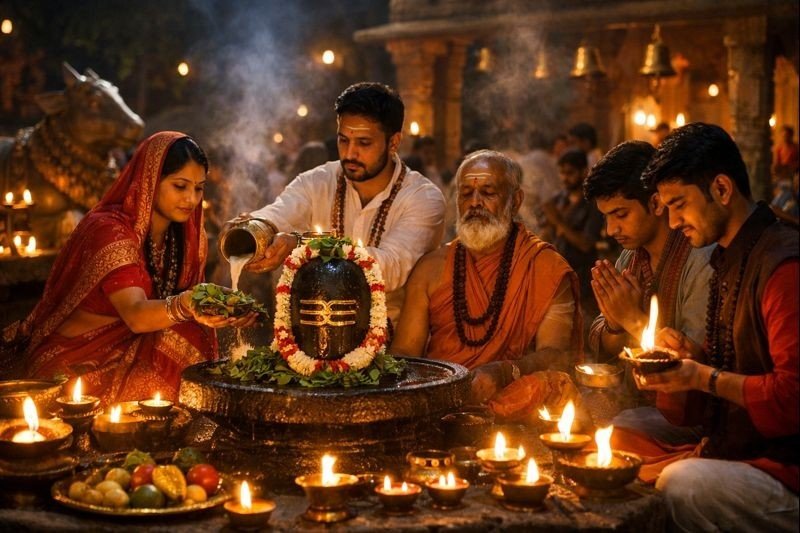
2022 Sri Maha Shivaratri Date And Pooja: Essential Hindu Festival Details
2022 Sri Maha Shivaratri is one of the most devotional nights in the Hindu calendar, dedicated to Lord Shiva and observed with fasting, prayer, and night-long worship. This sacred festival in 2022 fell on Tuesday, March 1, according to the official lunar calendar and astrological timings. The worship and rituals continued into the early hours of the next day as devotees sought blessings, performed puja and completed their fasts within auspicious muhurat windows.
Understanding Maha Shivaratri
Maha Shivaratri, meaning “Great Night of Shiva,” is a major Hindu festival dedicated to Lord Shiva. It commemorates the convergence of Shiva and Shakti and is associated with several legends, including Shiva’s cosmic dance (tandava) and his marriage to Goddess Parvati.
On the other hand, the festival is observed on the Chaturdashi tithi (14th lunar day) of Krishna Paksha in the month of Phalguna according to the Hindu lunar calendar. Because the lunar calendar doesn’t align exactly with the Gregorian calendar, the festival date shifts each year, typically between February and March. Understanding 2022 Sri Maha Shivaratri is essential.
In contrast, cultural celebrations vary regionally across India and in Hindu communities worldwide. In some regions, devotees stay awake all night, chant mantras, visit temples, and offer special naivedya (food offerings) to the Shiva Linga.
2022 Sri Maha Shivaratri Date And Timings
| Event | Date & Time (India) |
|---|---|
| Chaturdashi Tithi Begins | 3:16 AM, March 1, 2022 |
| Maha Shivaratri Day | Tuesday, March 1, 2022 |
| Nishita Kaal Puja Time | 12:08 AM – 12:58 AM, March 2, 2022 |
| First Prahar Puja | 6:21 PM – 9:27 PM, March 1 |
| Second Prahar Puja | 9:27 PM – 12:33 AM, March 2 |
| Third Prahar Puja | 12:33 AM – 3:39 AM, March 2 |
| Fourth Prahar Puja | 3:39 AM – 6:45 AM, March 2 |
| Parana (Fast Breaking) | 6:45 AM, March 2, 2022 |
This detailed schedule is traditionally followed by Shiva devotees to ensure puja and fasts are observed within auspicious times recommended by Drik Panchang and traditional panchangams.
Puja Preparations And Samagri List
Before the night of Maha Shivaratri, devotees prepare a puja setup at home or in temples. A systematic preparation helps in conducting rituals smoothly and respectfully. This relates to 2022 Sri Maha Shivaratri.
Essential Puja Samagri
- Shiva Linga or idol
- Water, milk, curd and honey for abhisheka (ritual bath)
- Fresh bel (bilva) leaves
- Dhatura flowers and bhang (optional depending on tradition)
- Incense sticks, ghee lamp, and camphor
- Fruits, sweets and traditional naivedya
- Rudraksha beads and Vibhuti (holy ash)
- Fresh clean cloth
The ritual bath (abhisheka) of the Shiva Linga with water, milk, honey and other sacred liquids symbolizes purification and devotion. Bel leaves are offered because they are believed to be Lord Shiva’s favorite.
Mantras To Chant
During the puja, devotees often chant sacred mantras such as “Om Namah Shivaya” and Rudra mantras. Continuous chanting throughout the night is believed to improve spiritual focus and invoke Shiva’s blessings.
Step-By-Step Maha Shivaratri Pooja Vidhi
Here is a traditional sequence of puja steps customarily followed by many families and temples: Learn more about 2022 Sri Maha Shivaratri.
1. Purification and Sankalp
Start by cleaning the worship area. Sit facing east or north. Take a bath before sunset. After this, take a sankalp (vow) to observe the fast and perform the Shivaratri puja with devotion.
2. Installation of Shiva Linga
Place a clean Shiva Linga on a pedestal. Offer flowers, water and bel leaves. Light the ghee lamp and incense sticks.
3. Abhisheka Ritual
Perform the ceremonial bath of the Shiva Linga by pouring water, milk, curd, honey and sugar over it. Each liquid symbolizes purity, devotion, prosperity and love.
4. Offering Naivedya
Offer fresh fruits, sweets, and other naivedya items. After offering, distribute these items as prasad among family members.
5. Mantra Chanting and Meditation
Sit in meditation and chant Shiva mantras. Recite the sacred Panchakshara mantra and Rudra chanting during the night, especially during Nishita Kaal (midnight) when the spiritual energy is believed to be at its peak.
6. Closing Ritual and Breaking Fast
The fast is traditionally broken the next morning after performing a second bath and offering final prayers. Do not break the fast before sunrise or before the Chaturdashi tithi ends.
My Personal Experience Of Maha Shivaratri
When I visited the famous TTD Official Website temple complex on Maha Shivaratri 2022, I witnessed thousands of devotees gathering before dawn. The chants of “Om Namah Shivaya” resonated through the corridors. What surprised me most was the calm intensity of devotion—people of all ages sitting in meditation, offering bel leaves with deep reverence.
Also, i personally recommend preparing your puja items a day before and resting during the afternoon so you can participate in late-night rituals with full energy and focus.
Common Mistakes To Avoid During Maha Shivaratri
- Avoid offering Tulsi (Holy Basil) to Shiva Linga—traditionally Shiva does not favor this leaf.
- Do not break your fast before the Chaturdashi tithi ends; doing so is considered inauspicious.
- Avoid consuming non-satvik foods during the fasting period such as garlic, onion, and meat.
- Do not rush through the ritual—take time to chant mantras mindfully.
Tips For Observing Shivaratri Fast
- Drink plenty of water during the fasting day to stay hydrated.
- If observing nirjala vrat (no water), consult your physician if you have health concerns.
- Prepare light sattvic meals before sunrise to maintain strength for night worship.
- Engage in meditation or reading spiritual texts to deepen your experience.
Frequently Asked Questions (FAQ)
When Was 2022 Sri Maha Shivaratri Observed?
In 2022, Sri Maha Shivaratri was observed on Tuesday, March 1, continuing into the early morning of March 2 based on the auspicious timings of Chaturdashi tithi and Nishita Kaal.
Why Do Devotees Fast On Maha Shivaratri?
Fasting is believed to purify the body and mind. The fast signifies surrender, devotion, and discipline before Lord Shiva, helping devotees overcome negativity and introspection.
Is Staying Awake Overnight Necessary?
Staying awake through the night (jagarana) is a common tradition to honor the solemn nature of the festival. It represents vigilance and awareness, traits associated with Shiva.
Can Maha Shivaratri Be Celebrated At Home?
Yes. Many devotees perform puja at home with proper samagri and chant mantras with devotion. It is equally sacred to worship at home or in a temple.
Where Are Major Celebrations Held?
Major celebrations happen in Shiva temples across India, such as those in Varanasi, Ujjain, Chidambaram,, and other sacred shrines. Devotees also gather at iconic Jyotirlinga sites.


+ There are no comments
Add yours