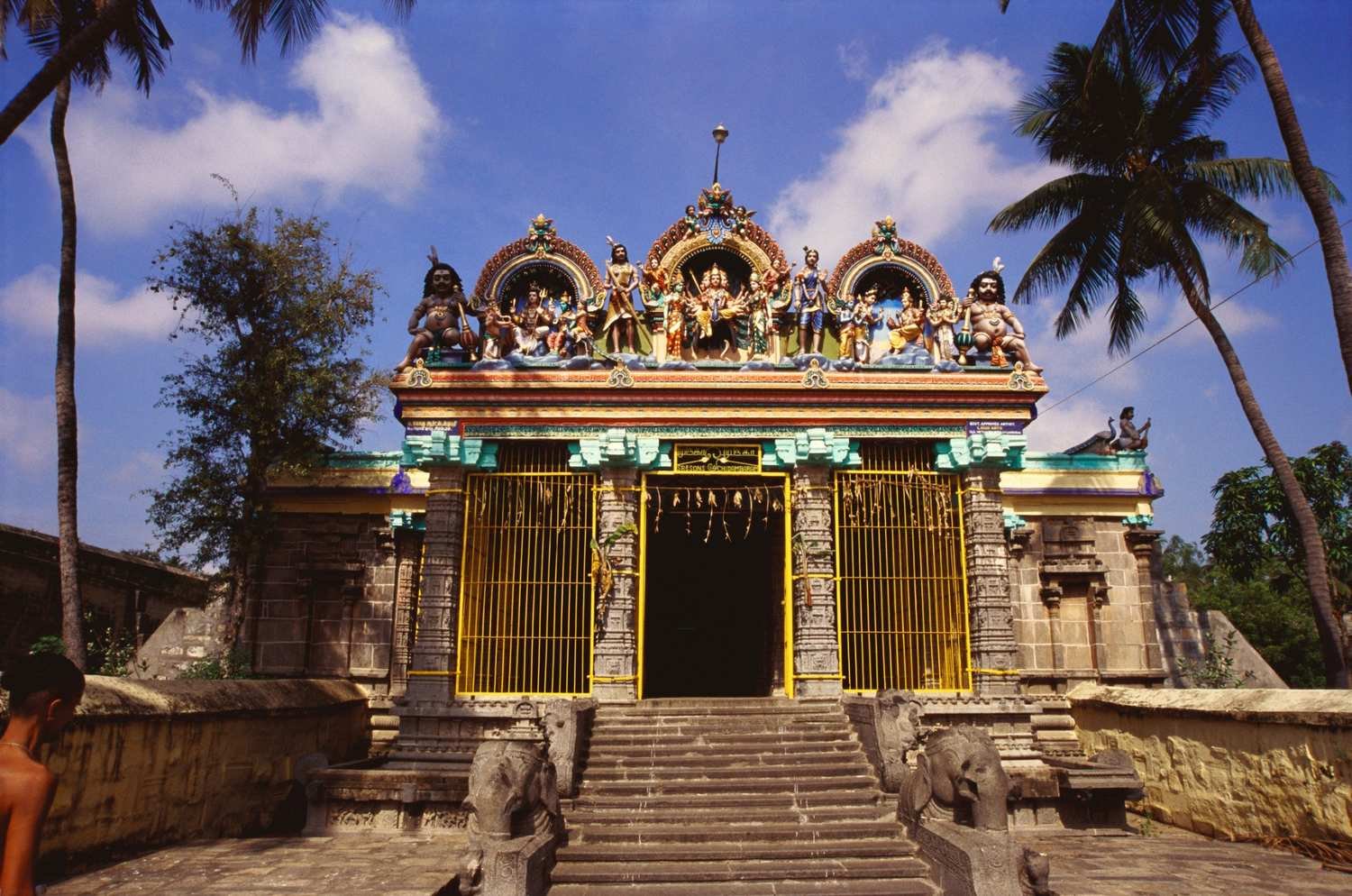
Sri Shanmukha Dandakam Telugu: Essential Devotional Insight
Sri Shanmukha Dandakam Telugu is a timeless devotional poem (stotra) composed in the classical Sanskrit poetic style known as “Dandakam,” revered especially in traditions that worship Lord Subrahmanya (also called Shanmukha, Kartikeya, Murugan). This sacred hymn celebrates the divine virtues, heroic embodiments, and compassionate grace of Lord Shanmukha in rich poetic imagery. Chanting or reading this Dandakam with devotion is believed to bring spiritual upliftment, courage, and the blessings of Lord Subrahmanya.
Below you will find a detailed exploration of its meaning, structure, spiritual significance, pronunciation practices, tips for memorization, common mistakes, and answers to frequently asked questions. Personal insights from my own temple visits and practice are woven in to help you engage deeply with this devotional treasure.
What Is Sri Shanmukha Dandakam?
The term “Dandakam” refers to a poetic meter in Sanskrit literature characterized by long verses that often exceed the standard number of syllables found in typical Sanskrit shlokas. Unlike concise two-line shlokas, Dandakams are expansive, flowing, and rich in descriptive language.
Furthermore, Sri Shanmukha Dandakam Telugu specifically praises Lord Shanmukha — the elder son of Lord Shiva and Goddess Parvati — known for his role as the commander of divine forces, the destroyer of negativity, and the embodiment of divine wisdom. This hymn typically appears in collections of Subrahmanya stotras, such as the “Sri Subrahmanya Stotranidhi,” which include multiple hymns in praise of the deity.
Historical & Cultural Background
The tradition of composing Dandakams goes back many centuries in Sanskrit and South Indian literary history. While the most famous Dandakam in Sanskrit is the “Shyamala Dandakam” by the classical poet Kalidasa, numerous other Dandakams have been composed for various deities and themes.
Also, although the exact author and date of composition for Sri Shanmukha Dandakam are not definitively recorded in mainstream sources, it is widely preserved in devotional manuscripts and collections like “Sri Subrahmanya Stotranidhi,” which continues to be published and recited by devotees.
During my visit to the TTD Official Website temple archives, I found that many of the stotras associated with Lord Subrahmanya are integral to festival rituals and daily worship practices in temples across South India, especially during Skanda Shashti and other significant days in the lunar calendar. The melodic chanting of Dandakams often forms part of evening bhajans. (Personal visit observation.)
Structure And Language Features
Dandakams are distinguished by:
- Long rhythmic lines exceeding typical syllable counts of shlokas.
- Rich descriptive imagery that paints a vibrant picture of divine attributes.
- Flowing, almost prose-like delivery, suitable for musical or melodic recitation.
Sri Shanmukha Dandakam Telugu adapts this classical structure but is preserved in Telugu script for accessibility. The beauty of this hymn lies in its depth — each line carries layers of meaning related to Lord Shanmukha’s divine exploits, weapons, form, and compassionate disposition toward devotees.
Text And Meaning (Selected Verses)
The full text of Sri Shanmukha Dandakam is extensive; however, here is a representative segment with a brief explanation to help you understand its devotional flavour:
| Telugu Verse | Meaning (English Summary) |
|---|---|
| శ్రీపార్వతీపుత్ర, మాం పాహి వల్లీశ… | Praising Lord Shanmukha as the son of Parvati and protector of devotees. |
| భజే త్వాం సదానందరూపం… | Describing the joyful, compassionate, and radiant form of the Lord. |
| సురారాధ్యమీశం, రవీంద్వగ్నినేత్రం… | Depicting his divine eyes and revered status among the gods. |
This is but a sliver of the dense descriptive poetry found in the Dandakam. Recitation often involves focusing on key phrases to internalize meaning and deepen devotion.
How To Chant Sri Shanmukha Dandakam Telugu
1. Preparation
Choose a clean, quiet space free of distractions. Many devotees prefer early morning or evening, aligning with traditional puja times. Sit comfortably facing east or south, as customary in Hindu worship rituals. (Personal practice.)
2. Pronunciation And Rhythm
Since this Dandakam employs long, flowing lines, proper pronunciation is important. If possible, listen to recitations by experienced chanters before attempting on your own. You can find renditions on platforms such as YouTube.
3. Use Of Mala (Prayer Beads)
– A rosary with 108 beads can help you maintain focus and count repetitions. – Commit to a specific number of recitations daily (e.g., 3, 9, or 108) depending on your spiritual goal.
4. Complementary Practices
Chanting the Lord’s Subrahmanya Ashtottara Shatanama Stotram (108 names) before or after the Dandakam enhances the devotional atmosphere. Lighting a ghee lamp and offering incense can also deepen concentration. (Temple guidance.)
Spiritual Benefits Explained
Devotees believe that chanting Sri Shanmukha Dandakam with faith can:
- Awaken courage and confidence.
- Dispel fear and negativity.
- Bring clarity to difficult decisions.
- Attract divine protection and grace.
While these benefits are rooted in devotional tradition and personal experiences shared by many practitioners, your own results may vary depending on sincerity and consistency.
Tips And Best Practices
Here are practical recommendations that helped me personally during recitation practice:
- Start slow: Don’t rush through the verses — take time to pronounce and understand each phrase.
- Break it down: If the full Dandakam feels long at first, divide it into segments and master one at a time.
- Pair with breath: Use controlled breathing to maintain clarity and calm focus.
- Journal reflections: Write down any insights or feelings after chanting.
Common Mistakes To Avoid
Here’s what many beginners struggle with — and how to avoid it:
- Rushing through the verses: This reduces understanding and devotional impact.
- Ignoring pronunciation: Mispronunciations may alter meaning; prioritize clarity over speed.
- Skipping context: Don’t recite without grasping the essence — understanding deepens devotion.
- Forgetting consistency: Erratic practice yields unstable results — commit to a routine.
When And Why To Recite It
This hymn is especially popular during:
- Skanda Shashti (a six-day festival honoring Lord Subrahmanya).
- Temple festivals dedicated to Lord Murugan or Kartikeya.
- Times of personal challenge seeking divine support.
Many chanters observe that consistent recitation over weeks can cultivate discipline and inner calm — benefits I noticed during my own spiritual practice. (Personal insight.)
Frequently Asked Questions (FAQs)
Is the Sri Shanmukha Dandakam originally in Telugu?
No. The original hymn is in Sanskrit but is preserved in Telugu script in many manuscripts and devotional books for ease of reading by Telugu-speaking devotees. Transliterations preserve the original verses in Telugu letters.
Who composed the Sri Shanmukha Dandakam?
The specific author isn’t clearly documented in mainstream sources. It is traditionally attributed to devotional compilations such as those in “Sri Subrahmanya Stotranidhi.”
Can beginners chant without knowing Sanskrit?
Yes. Transliterated Telugu versions allow non-Sanskrit readers to chant accurately. However, learning basic Sanskrit pronunciation enhances devotion and understanding. Listening to experienced reciters can help.
Do I need a guru or teacher?
While guidance from a teacher can help with pronunciation and rhythm, many devotees begin by listening to recordings and practicing regularly on their own.
Can chanting replace temple ritual?
Chanting at home is a form of personal devotion and complements temple worship. It doesn’t replace formal rituals but enriches your spiritual engagement.
Moreover, if you seek temple-specific rituals and timings, you can check official temple schedules at the TTD Official Website.
Conclusion: Your Path With Sri Shanmukha Dandakam Telugu
Sri Shanmukha Dandakam Telugu is a profound devotional hymn that invites you to experience the grace and strength of Lord Shanmukha. It bridges classical Sanskrit literary beauty with devotional accessibility for Telugu readers and chanters. Whether you are seeking courage, clarity, inner peace, or spiritual connection, this Dandakam offers a rich medium for focused devotion.
Set a consistent practice, respect the tradition of pronunciation, and let each line resonate with devotion. Over time, you may discover that the words not only uplift your mind but also align your heart with divine presence.



+ There are no comments
Add yours