Mahalaya Pitru Paksha 2021 Dates, Significance And Shradha Bookings
Mahalaya Pitru Paksha 2021 was a significant spiritual period in the Hindu calendar dedicated to honouring and offering prayers to deceased ancestors. This observance includes specific dates, rituals, and traditions that families across India followed with devotion. The observance took place from late September to early October 2021 and culminated in Mahalaya Amavasya, a profoundly meaningful day in the Hindu faith.
What Is Mahalaya Pitru Paksha?
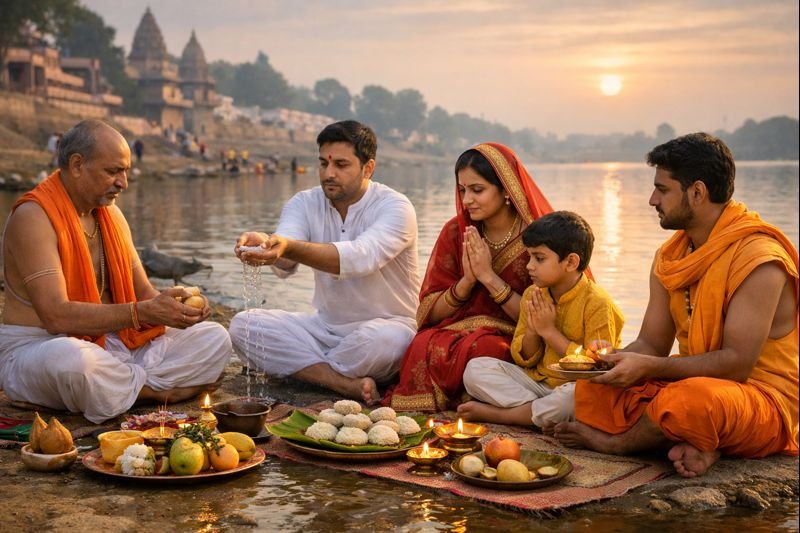
Pitru Paksha—also referred to as Mahalaya Paksha—is a 15–16 day period in the Hindu lunar calendar devoted to performing Shradh and Tarpan rituals for ancestors (pitṛs). During this time families perform rites believed to help the departed souls attain peace and liberation (moksha). Ritual offerings (Shradh) are made with faith (śraddhā) which signifies deep devotion.
The term “Mahalaya” is often used synonymously with the concluding day of this period—Mahalaya Amavasya (Sarvapitri Amavasya), when the fortnight of ancestral rites culminates.
Mahalaya Pitru Paksha 2021 Dates And Timing
In 2021, Mahalaya Pitru Paksha and associated Shradh rituals were observed in late September and early October:
| Date Range | Observance |
|---|---|
| 20–21 September 2021 | Beginning of Pitru Paksha (Shradh period) |
| 21 September 2021 | Main start of Pitru Paksha period officially (Pratipada) |
| 22 Sep – 5 Oct 2021 | Shradh Days for each lunar tithi during Pitru Paksha |
| 6 October 2021 | Sarvapitri Amavasya / Mahalaya Amavasya – most significant day |
Depending on your local calendar tradition (Purnimanta vs Amanta), the exact start could vary by a day — but the widely referenced period for Mahalaya Pitru Paksha 2021 was from 21 September to 6 October 2021.
Significance Of Mahalaya Pitru Paksha 2021
Ancestors are considered an intrinsic part of Hindu spiritual lineage and family wellbeing. The Shradh rituals performed during Mahalaya Pitru Paksha 2021 are rooted in the belief that ancestors impart blessings, protection, and prosperity to the living and remain at peace only when duly honoured.
Why Perform Shradh During This Period?
Shradh involves offering food, water (tarpan), and prayers to one’s ancestors, which is believed to provide nourishment to their souls in the afterlife and help them achieve moksha. The fortnight of Pitru Paksha is viewed as especially potent for these rites, as scriptures and astrological texts emphasize the spiritual benefit of performing them specifically during this time.
Mahalaya Amavasya: The Pinnacle Day
The last day of Mahalaya Pitru Paksha—Mahalaya Amavasya—is considered the most significant day to perform Shradh and Tarpan rituals. On this day, devotees often perform rites for both known and unknown ancestors. As per tradition, offerings made on the Amavasya carry special merit and spiritual weight.
Core Rituals Of Mahalaya Pitru Paksha 2021
There are several rites observed during Mahalaya Pitru Paksha that vary regionally but share the same fundamental intent: to honour ancestors and seek their peace.
Pinda Daan
Pinda Daan involves offering rice balls mixed with sesame, barley, and ghee with specific mantras. These offerings symbolically nourish the ancestors’ souls. Traditionally this is done by male descendants or priests trained in Vedic rites.
Tarpan
Tarpan is the ritual of offering water mixed with black sesame seeds, barley, and kusa grass to ancestors. It is typically performed near a holy river or water body during the appropriate tithi.
Feeding Brahmins And Charity
An important part of Shradh is offering food to Brahmins and donating to the needy, which is seen as a proxy for offering to ancestors. Many families also feed cows, dogs, and crows as part of the ritual customs.
Step-by-Step Shradh Booking And Preparation
If you planned a Shradh ceremony during Mahalaya Pitru Paksha 2021, the steps below outline how most families prepare and schedule the rituals.
- Check Your Ancestor’s Tithi – Note the lunar day (tithi) your ancestor passed away to perform Shradh on that corresponding day during Pitru Paksha.
- Book A Priest Or Temple Slot – Traditional rituals often require a trained priest. Temples or community centres can provide booking information. I personally recommend confirming bookings at least 7–10 days in advance, as priests often get fully booked around Mahalaya Amavasya.
- Prepare Ritual Materials – This includes rice, black sesame seeds, ghee, barley, kusa grass, and other items per your family tradition.
- Perform Ritual At Auspicious Time – Priests or temple management often share a muhurta (auspicious time) for the rites. Ensure you follow local sunrise and puja timing guidance.
- Offer Charity – After Shradh, share food with Brahmins and donate essentials to the needy as per tradition.
Tips And Best Practices For Mahalaya Pitru Paksha
- Plan Early: Booking priests and arranging materials at least a week before Mahalaya Amavasya helped me avoid last-minute rush and ensured all rituals were performed properly.
- Follow Local Customs: Customs can vary by region — for example, in Bengal people might perform tarpan by a river, while in Maharashtra specific foods are prepared.
- Stay Vegetarian: It is traditionally recommended to avoid meat, alcohol, and tamasic foods during this period.
- Consult A Priest For Auspicious Timings: Local muhurta for performing Shradh can differ by city and day.
Common Mistakes To Avoid During Mahalaya Pitru Paksha
- Avoid performing the ritual too late in the evening — choose the auspicious time advised by your priest.
- Do not miss the specific tithi for your ancestor, as this could lessen the intended spiritual benefit.
- Avoid rushing the ritual without proper mantra recitation or priest guidance.
Frequently Asked Questions (FAQ)
What Is The Difference Between Pitru Paksha And Mahalaya?
Pitru Paksha refers to the entire fortnight dedicated to ancestors, while Mahalaya often specifically denotes the last day — Mahalaya Amavasya — which holds the highest spiritual significance.
Can I Perform Shradh On Any Day During Pitru Paksha?
Yes, you can perform Shradh on the day corresponding to the ancestral death tithi, though the final Amavasya day is especially auspicious.
Why Is Feeding Brahmins Important?
Feeding Brahmins and the needy is viewed as part of giving offerings to ancestors, amplifying meritorious deeds of Shradh rituals.
Do I Need A Priest To Perform Shradh?
While it is not mandatory, priests are traditionally engaged to ensure correct mantra recitation and ritual procedures, especially for Mahalaya Amavasya.
References And Official Resources
For official Hindu calendar calculations and tithi details, refer to Drik Panchang Shraddha Dates — which provides precise dates for Pitru Paksha and Shradh. For deeper cultural and ritual context, Wikipedia’s pages on Pitru Paksha and Śrāddha give excellent background information.


+ There are no comments
Add yours