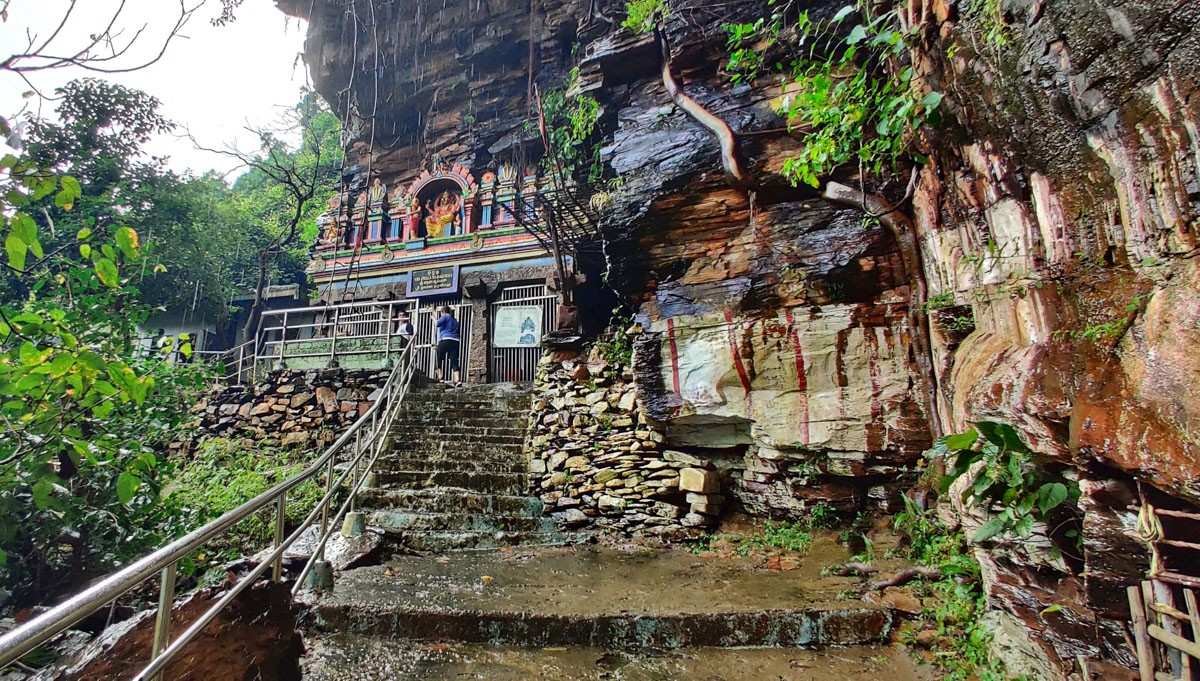
Ahobila Narasimha Swamy Temples Pooja List & Timings Information
The Ahobila Narasimha Swamy Temples in the sacred Ahobilam region of Andhra Pradesh are among the most revered shrines dedicated to Lord Narasimha, an incarnation of Lord Vishnu. Nestled in the Nallamala Hills, this complex of Nava Narasimha temples draws thousands of devotees yearly who seek divine blessings, peace, and spiritual upliftment. These temples have specific pooja lists, darshan timings, and rituals that are essential for planning a pilgrimage. In this article, you’ll find detailed insights into poojas, darshan timings, seva options, best practices for visit, step-by-step guidance, and common mistakes to avoid when visiting these divine shrines. For official information, visit Incredible India.
When I visited Ahobilam during the Navaratri festival season, what surprised me most was how detailed and rich the ritual schedule is at each individual shrine — more than many pilgrims typically expect. The landscape itself enhances the devotional experience with steep hills, winding paths, and serene forest settings that require both physical preparation and spiritual focus.
For official information from the temple trust visit AhobilamTemple.com or refer to the historical and cultural overview on Wikipedia.
Overview Of Ahobila Narasimha Swamy Temples
Ahobilam is a pilgrimage destination in Andhra Pradesh’s Nallamala Hills, famed for its Nava Narasimha Kshetras — nine temples dedicated to various divine manifestations of Lord Narasimha. These temples represent different divine aspects, from fierce to graceful, and collectively form a sacred circuit for devotees. The principal shrine is often referred to as the Ahobila Narasimha Swamy Temple, located in Upper Ahobilam, which is believed to be a Svayambhu (self-manifest) appearance site of Lord Narasimha.
On the other hand, the nine temples are spread across Lower Ahobilam (Diguva) and Upper Ahobilam (Eguva). Visiting all nine is considered highly auspicious, and many devotees plan a two-day pilgrimage to cover all significant shrines due to the terrain and distances involved.
Temple Pooja List And Seva Options
The Ahobila Narasimha Swamy Temples offer a variety of traditional poojas and seva (ritual services) that devotees can participate in. These range from basic offerings and archanas to elaborate homams and annual rituals, each with its own significance and benefits. Most of these services are offered on arrival at the temple counters.
Daily Poojas And Rituals
| Seva / Pooja | Timing / Availability | Suggested Donation/Cost (Approx.) |
|---|---|---|
| Archana / Sahasra Namarchana | Morning & Evening | ₹20 – ₹100 |
| Special Darshan (Priority Queue) | Temple Hours | ₹50 |
| Seeghra Darshan | Temple Hours | ₹50 |
| Nava Narasimha Abhishekam | On Specific Days | ₹2,000 |
| Kalyanotsavam (Marriage Ritual) | Booking Days | ₹3,000+ |
| Saswatha Abhishekam | Special Request | ₹15,000 |
| Vahana Seva (Garuda, etc.) | Temple Festivals | ₹5,000 |
These seva offerings are typically managed directly at the temple counters. I observed in person that some seva tickets are limited on festival days and can sell out early, so it’s advisable to reach the booking counters well before peak darshan hours.
Special Seasonal And Festival Rituals
Major festivals like Narasimha Jayanti, Brahmotsavam, Dasara Navaratri, and Ekadashi witness elevated religious activities and special poojas. During such times, specific abhishekams, processions, and vahana sevas are performed with great fanfare. The crowd is significantly higher, and darshan timings may be extended. To participate in these ceremonies, it’s best to inquire with temple authorities in advance or arrive early during festival days.
Darshan And Pooja Timings
The Ahobila Narasimha Swamy Temples have structured darshan timings with slight variations between Lower and Upper Ahobilam complexes. Darshan refers to the opportunity to see and pray to the presiding deity.
General Darshan Timings
| Temple Section | Morning Timings | Evening Timings |
|---|---|---|
| Lower Ahobilam (Diguva) | 6:30 AM – 1:00 PM | 3:00 PM – 8:00 PM |
| Upper Ahobilam (Eguva) | 7:00 AM – 1:00 PM | 2:00 PM – 7:00 PM |
There is generally a one-hour lunch break at all temples during which darshan may pause. The timings above are consistent throughout the week, including weekends.
Additionally, in some local reports, early morning darshan windows (as early as 6:00 AM) and extended evening options may be offered, but these vary by season and temple management decisions, so confirm locally upon arrival.
Extended And Limited Timings
- During monsoon and adverse weather, Upper Ahobilam timings may be adjusted for safety.
- Festival days may see extended darshan durations into late evening.
- Special pooja sessions like Sahasra Namarchana or Seeghra Darshan may be available outside normal darshan windows depending on crowd and priest availability.
Step-By-Step Guide To Visiting Ahobila Narasimha Swamy Temples
Visiting the Ahobila Narasimha Swamy Temples requires some planning due to the terrain, multiple shrines, and varying pooja schedules. Use this step-by-step process to make your pilgrimage smoother and spiritually rewarding.
1. Plan Your Visit Dates
Choose dates based on weather and festivals. October to March is considered an ideal season due to pleasant weather and easier trekking conditions in the Nallamala Hills. Avoid peak summer midday heat if possible.
2. Arrival And Base Setup
Arrive in Lower Ahobilam (Diguva) before 6:30 AM for darshan as soon as gates open. I personally recommend spending the first morning here before trekking or driving to Upper Ahobilam. Accommodation is available in basic guesthouses and dharmashalas near Lower Ahobilam.
3. Morning Darshan And Sevas
Begin with darshan at Lower Ahobilam temples. Purchase any desired seva tickets early to avoid queues. Archana and Seeghra Darshan tickets often sell quickly on weekends and festival days. After finishing Lower Ahobilam, proceed to Upper Ahobilam for main shrine darshan before lunch break. Carry water and light snacks, especially if planning to visit multiple shrines.
4. Trekking And Visiting Other Shrines
The Nava Narasimha temples like Bhargava, Yogananda, Kroda, and Jwala require moderate trekking. Ensure sturdy footwear and adequate hydration. If trekking isn’t suitable, hire a local guide or vehicle where accessible. Respect forest signage and avoid straying off marked routes.
5. Participate In Poojas And Offerings
At each shrine, check the board for the next pooja schedule. Offerings like archana, ghee deepam, and Sahasranama Archana are meaningful. Participate respectfully. If you plan on larger rituals (e.g., Abhishekam), inquire about priest availability and offerings counter times.
6. Evening Darshan And Closing Rituals
Return to primary temples in the evening for final darshan. Many devotees prefer concluding with Lower Ahobilam’s evening darshan due to easier exit and accommodations nearby. Make sure to check closing times so you do not get locked inside temple premises.
Tips And Best Practices
- Dress modestly – traditional attire is recommended inside temple areas.
- Arrive before opening times on weekends and festival days to avoid long queues.
- Carry small denominations of cash for seva tickets as digital payments may not always be accepted.
- If trekking between shrines, wear comfortable shoes and carry water, sunscreen, and light snacks.
- Respect local customs; photography may be restricted in sanctum areas.
- Check temple notice boards upon arrival for any special schedule changes.
Common Mistakes To Avoid
- Assuming all temples have uniform timings – each shrine may differ slightly in opening and closing hours.
- Delaying seva ticket purchase until late morning — this often leads to unavailability.
- Visiting only one shrine and leaving — pilgrims often miss the full spiritual experience of the Nava Narasimha circuit.
- Underestimating trekking difficulty — terrain can be rugged in upper shrines.
- Forgetting to check for mid-day lunch breaks which pause darshan services.
Frequently Asked Questions (FAQ)
How many Ahobila Narasimha Swamy Temples are there?
There are nine major Narasimha temples in Ahobilam, collectively known as the Nava Narasimha Kshetras, each representing a unique form of Lord Narasimha.
What are the general darshan timings?
General timings are 6:30 AM to 1:00 PM and 3:00 PM to 8:00 PM for Lower Ahobilam, and 7:00 AM to 1:00 PM and 2:00 PM to 7:00 PM for Upper Ahobilam shrines. There’s roughly a lunch break in between.
Can I book poojas online?
Most daily poojas and sevas at Ahobilam are booked on arrival. Pre-booking for special festivals or rituals may not be widely available online, so it’s best to confirm locally or check the temple trust arrangements before your visit.
Is there an entry fee for darshan?
General darshan is typically free, though some sources mention a minimal charge (e.g., ₹50) for special darshan or tickets in certain sections. Check with temple counters upon arrival.
Which time of year is best to visit?
October to March is considered favorable because of milder temperatures and comfortable trekking conditions in the hills. Avoid peak summer months due to heat and monsoon for safety concerns on trekking paths.
Conclusion
The Ahobila Narasimha Swamy Temples represent a profound spiritual destination for devotees of Lord Narasimha. With detailed pooja lists, structured darshan timings, and a series of sacred shrines spread across picturesque hills, the pilgrimage offers both devotional and cultural depth. Careful planning, early arrival, and respect for local practices will ensure your visit is enriching and peaceful. I personally recommend allocating at least two days if your schedule and physical ability allow, so you can perform poojas, enjoy darshan, and absorb the spiritual essence of each shrine.


+ There are no comments
Add yours