The Significance Of Sankastahara Chaturthi rests on one promise that devotees have trusted for centuries: pray sincerely to Lord Ganesha on this monthly day, and the obstacles weighing on your life begin to ease. It is not a once-a-year festival. Instead, it returns every lunar month, and each month invokes a different form of Ganesha with its own name and story. Because the fast ends only after you sight the moon, the day carries a quiet rhythm that many families keep for a lifetime.
Sri Vyasa Pooja is an independent devotional guide. We are not affiliated with any temple, trust, or religious authority, and we do not accept bookings, donations, or payments. For a priest-led ritual, contact a qualified local purohit or your temple directly.
The Significance Of Sankastahara Chaturthi at a Glance
- What it is: a monthly Ganesha vratam observed on the fourth day of the waning moon, known as Krishna Paksha Chaturthi.
- Deity: Lord Ganesha, the remover of obstacles, worshipped alongside Chandra, the moon.
- The fast: kept from sunrise, then broken at night after the moon is seen and arghya is offered.
- The cycle: 13 forms of Ganesha across the year, one for each month plus the extra Adhika Masa.
- Most auspicious: when it falls on a Tuesday, the day becomes Angaraki Chaturthi.
What Is the Significance Of Sankastahara Chaturthi?
The Significance Of Sankastahara Chaturthi comes from its very name. “Sankata” means trouble or crisis, while “hara” means the one who removes it. So families set the day aside to ask Ganesha to clear the difficulties blocking a devotee’s path. Because this vratam recurs every month, regular observers treat it as a steady spiritual discipline rather than a single celebration.
The observance always falls in the dark fortnight, four days after the full moon. Devotees fast through the day, and they end it only once the moon rises and receives arghya, an offering of water. This moon-sighting is not optional. Since it defines the whole vratam, missing it is considered leaving the fast incomplete.
The Deeper Significance Of Sankastahara Chaturthi in Tradition
The deeper Significance Of Sankastahara Chaturthi is explained through Puranic tradition rather than a single text. The Bhavishya Purana and the Narasimha Purana are the sources most often cited for the vratam and its monthly stories. During the puja, many devotees recite the Ganapati Atharvashirsha, a well-known invocation of Ganesha, before offering arghya to the moon.
Each monthly observance also carries its own Vrata Katha, a short story that explains why that month’s form is worshipped. There are 13 such stories in all. Twelve belong to the twelve lunar months, while the thirteenth belongs to the Adhika Masa, the extra month that the Hindu calendar adds roughly once every three years. Only the story for the current month is read on that day.
The 13 Monthly Forms of Ganesha
Every month, devotees worship Ganesha under a different name and seat him on a different peetha, or spiritual seat. This is the detail most casual guides skip, yet it sits at the heart of why the vratam feels fresh each month. The table below lists all 13 forms, based on the Amanta (Telugu, Kannada and Marathi) calendar followed across South India.
| Lunar Month | Form of Ganesha | Peetha (Seat) |
|---|---|---|
| Chaitra | Vikata Maha Ganapati | Vinayaka |
| Vaishakha | Chakraraja Ekadanta Ganapati | Srichakra |
| Jyeshtha | Krishna Pingala Maha Ganapati | Shakti Ganapati |
| Ashadha | Gajanana Ganapati | Vishnu |
| Shravana | Heramba Maha Ganapati | Ganapati |
| Bhadrapada | Vignaraja Maha Ganapati | Vigneshwara |
| Ashwayuja | Vakratunda Maha Ganapati | Bhuvaneshwari |
| Kartika | Ganadhipa Maha Ganapati | Shiva |
| Margashira | Akhuratha Maha Ganapati | Durga |
| Pushya | Lambodara Maha Ganapati | Soura |
| Magha | Dwijapriya Maha Ganapati | Samanya Deva |
| Phalguna | Balachandra Maha Ganapati | Agama |
| Adhika Masa | Vibhuvana Palaka Maha Ganapati | Doorva Bilva Patra |
Why Some Lists Wrongly Name the Magha Form
Here is a correction worth noting, because many online pages get it wrong. In the Magha month, the form worshipped is Dwijapriya Maha Ganapati, not Heramba. Heramba Maha Ganapati belongs to the Shravana month instead. This mix-up spreads easily, so check the month carefully before you begin.
Part of the confusion comes from two calendar systems. South Indian states follow the Amanta calendar, where a month ends at the new moon. North India follows the Purnimanta system, where a month ends at the full moon. As a result, the same Sankashti day can carry a different month-name by region, although the Ganesha form for that particular vratam stays the same.
Sankashti Versus Vinayaka Chaturthi
People often confuse the two Chaturthis, so the distinction matters. Sankashti Chaturthi falls in the waning fortnight, and it requires a fast plus a moon-sighting at night. Vinayaka Chaturthi falls in the waxing fortnight, and its worship happens in daytime with no moon-sighting needed. If you want the daytime festival guide, see our Ganesh Chaturthi pooja vidhanam instead.
Both days honour the same Lord Ganesha, yet their moods differ. Sankashti is a monthly, discipline-driven vratam focused on relief from troubles. Vinayaka Chaturthi is the larger annual celebration of Ganesha’s birth. When you know which one you are observing, your fast and timing stay correct.
Angaraki Chaturthi: The Most Prized Day
When Sankashti Chaturthi lands on a Tuesday, it becomes Angaraki Chaturthi, regarded as the most powerful day in the cycle. Tuesday is linked to Mangal, or Angaraka, the planet Mars. Because tradition holds that Angaraka himself won a boon from Ganesha on this day, devotees believe prayers offered now carry special weight.
Angaraki Chaturthi appears only a few times a year, since the weekday and the tithi must align. Many devotees who cannot fast every month still keep this one. For them, the Significance Of Sankastahara Chaturthi peaks on this rare Tuesday alignment. If your aim is a single, high-significance observance, this is the day to mark.
The Fast Through the Day
Devotees begin the fast at sunrise and hold it until the moon appears. The traditional fast avoids grains, onion and garlic. Many observers eat only fruit, milk, and light dishes such as sabudana khichdi or potato preparations. Some keep a strict waterless fast, while others follow a lighter version, so choose what your body allows.
A brief health note: fasting is a personal choice, not a medical prescription. If you are pregnant, elderly, diabetic, or on regular medication, a partial fast with fruit and milk is widely accepted. Please consult your doctor before attempting a strict or waterless fast, because your health comes first.
Evening Puja and the Moon Arghya
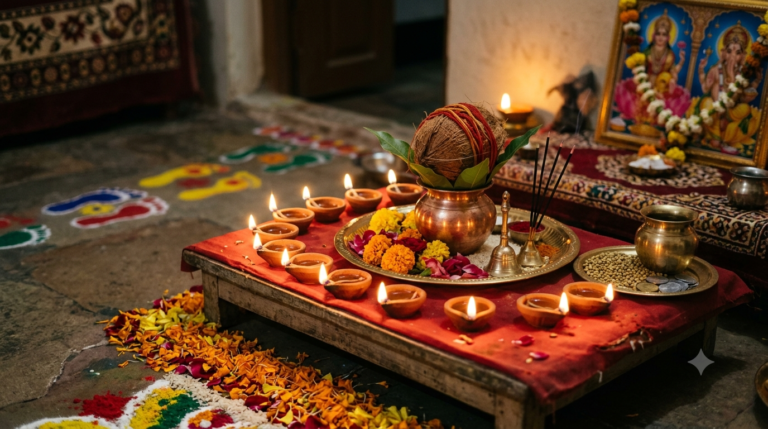
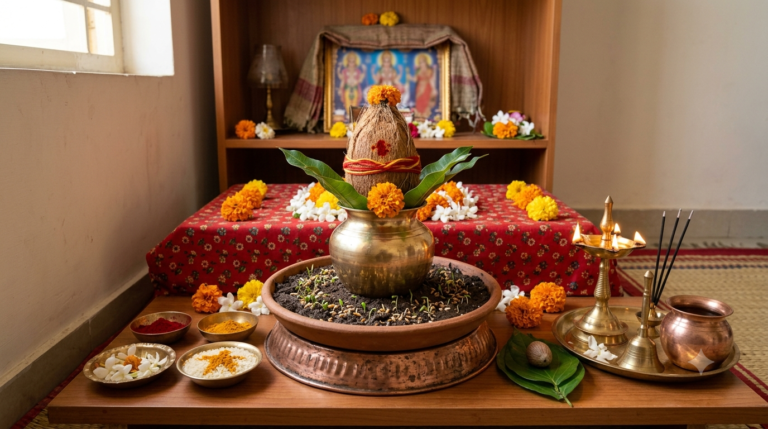
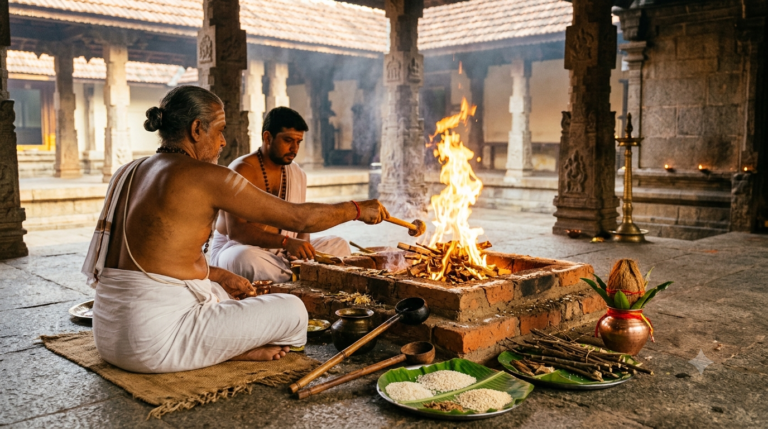
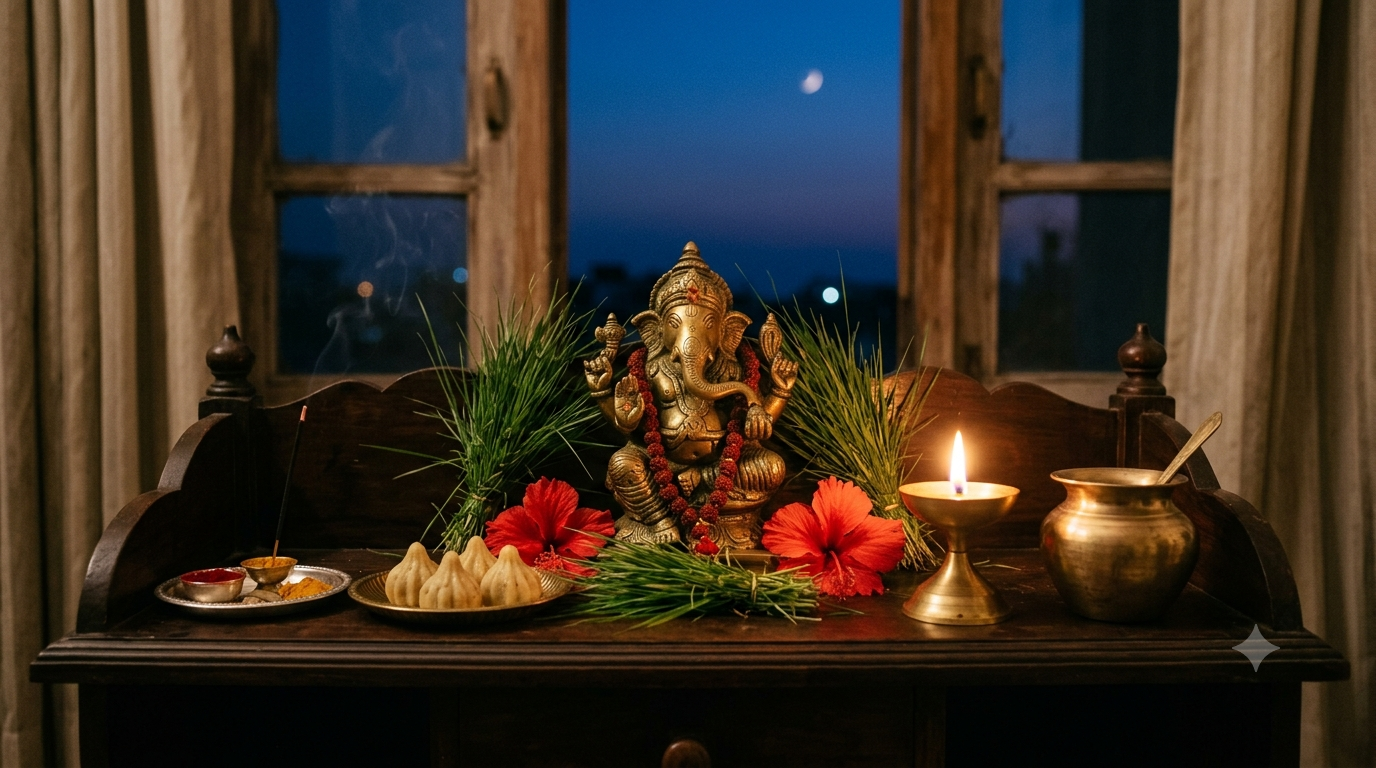
As evening arrives, devotees clean the puja space and worship Ganesha with flowers, durva grass, modak, and lamps. The Ganapati Atharvashirsha or the 108 names may be recited. Once the moon rises, devotees offer water as arghya toward it, and only then do they break the fast. The exact moonrise time shifts every month and every city, so confirm it locally before you plan the evening.
The Significance Of Sankastahara Chaturthi for Family and Well-being
For many households, the Significance Of Sankastahara Chaturthi is deeply tied to family welfare. Women in particular observe this vratam for the health, harmony, and prosperity of their families, and this is a tradition passed down through generations. Devotees also describe the day as calming and grounding, since the discipline of fasting and evening prayer encourages focus.
These benefits are matters of faith and personal experience, not guaranteed medical outcomes. The vratam is a devotional practice, so treat it as a spiritual routine rather than a cure for any condition. Observed with that understanding, it remains a meaningful monthly anchor for countless families. For another family-focused vow, you may also read our guide to the Satyanarayana Vratam.
Finding the Correct Date and Moonrise Time
There is no fixed calendar date for this vratam, because it follows the moon. It recurs each lunar month on Krishna Paksha Chaturthi, so the Gregorian date changes every time. The reliable way to plan is to check a current-year panchangam, which lists both the tithi and the local moonrise. A trusted reference is the Drik Panchang Sankashti Chaturthi section.
Moonrise timing deserves special care, since the whole fast depends on it. Depending on your city and the month, the moon may rise anywhere from mid-evening to late night. Always confirm the moonrise for your own location, because a neighbouring city’s time can be off by several minutes.
Telugu Pooja Vidhanam: What a Complete Guide Includes
Telugu-speaking devotees often prefer a Telugu vidhanam, because it preserves the traditional mantras and the exact ritual order. A thorough Telugu guide usually walks through the sankalpam (the opening intention), the dhyana slokas, the Ganapati Atharvashirsha, the 108 names of Ganesha, the naivedyam offerings, and the moonrise arghya mantras. The language you pray in is secondary; the sincerity, or bhava, matters most.
For the authentic wording, rely on established stotra collections or a knowledgeable purohit rather than unverified downloads. A reference such as Wikipedia’s Sankashti Chaturthi entry is useful for the names and structure, while a priest can guide the correct pronunciation. This keeps your ritual both accurate and meaningful.
Common Mistakes About the Significance Of Sankastahara Chaturthi
A few mistakes come up again and again, so it helps to name them. First, many people expect a single yearly date, when the vratam is actually monthly. Second, many guides misname the Magha form, as explained above. Third, some break the fast on time by the clock instead of waiting for the actual moon-sighting, which changes the observance.
One more error is confusing this fast with Vinayaka Chaturthi and skipping the moon arghya. Since the moon offering is the defining act here, leaving it out means the vratam was not completed in the traditional sense. When in doubt, keep it simple: fast with devotion, worship in the evening, and wait for the moon. Getting these basics right is what the Significance Of Sankastahara Chaturthi truly rewards.
Key Points on the Significance Of Sankastahara Chaturthi
The Significance Of Sankastahara Chaturthi lies in steady, monthly devotion rather than grand ritual. Worship the correct form for the month, fast within your physical limits, and complete the day with the moon arghya. If you can observe only one day a year, choose Angaraki Chaturthi. Above all, confirm the tithi and moonrise for your city from a current panchangam, so your timing stays right.
Frequently Asked Questions
Are Sankashti Chaturthi and Sankatahara Chaturthi the same?
Yes, both names refer to the same monthly Ganesha vratam. “Sankashti” and “Sankatahara” are regional spellings of the same word, meaning the remover of troubles. The observance, fasting, and moon-sighting are identical.
Which form of Ganesha is worshipped in the Magha month?
In the Magha month, the form worshipped is Dwijapriya Maha Ganapati, seated on the Samanya Deva peetha. It is not Heramba, which is a common online error. Heramba Maha Ganapati belongs to the Shravana month instead.
Can elderly or health-restricted devotees observe a partial fast?
Yes, a partial fast with fruit and milk is widely accepted for those who cannot fast strictly. Elderly, pregnant, diabetic, or medicated devotees should prioritise health. Please consult a doctor before any strict or waterless fast.
What time should the moon be sighted?
Moonrise varies by month and city, from mid-evening to late night. The fast is broken only after the moon is seen and arghya is offered. Always confirm the local moonrise from a current-year panchangam.
Do women observe this vratam?
Yes, women observe it regularly, often for family welfare, harmony, and prosperity. The practice is passed down across generations. Anyone, of any gender, may keep the vratam with devotion.
Does the Significance Of Sankastahara Chaturthi change each month?
The core Significance Of Sankastahara Chaturthi stays the same: seeking Ganesha’s help to remove obstacles. However, each month invokes a different form and reads a different Vrata Katha. This gives every monthly observance its own character.
Why is Angaraki Chaturthi considered special?
Angaraki Chaturthi is Sankashti Chaturthi falling on a Tuesday, the day of Mangal (Mars). Tradition links this day to a boon Angaraka received from Ganesha. Devotees believe prayers on this rare alignment carry extra strength.
Does the language of the pooja matter?
No, the language is secondary to sincerity. A Telugu vidhanam simply helps devotees keep the traditional mantras and sequence. What matters most is bhava, the devotion behind the ritual.