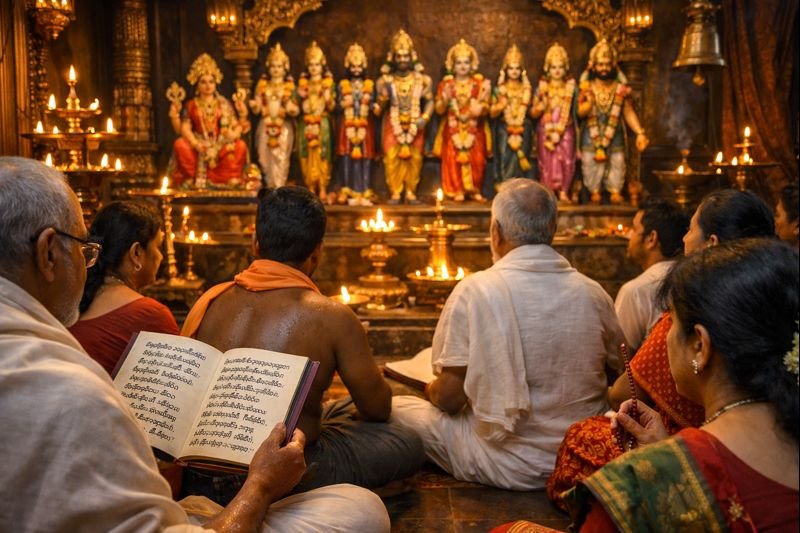
Dashavatara Stuti Telugu Lyrics: Essential Devotional Guide
Dashavatara Stuti Telugu Lyrics is a devotional hymn celebrating the ten divine incarnations of Lord Vishnu, known as Dashavatara. This sacred chant is widely recited by devotees during pujas, festivals, and daily worship to honor the great descent of Vishnu in various forms to establish Dharma and Cosmic Balance in the universe. The unique melody and poetic structure of this Stuti uplift the soul and deepen devotion through reverence of the avatars from Matsya to Kalki.
What Is Dashavatara Stuti?
Dashavatara Stuti is a Sanskrit devotional hymn often sung in Telugu devotional gatherings. It praises the ten avatars (Dashavatara) of Lord Vishnu, each of whom appeared in a different era (Yuga) to protect righteousness and destroy evil. The hymn is considered a powerful means to invoke divine grace and cultivate devotion.
The ten avatars recognized in most traditions include Matsya (fish), Kurma (tortoise), Varaha (boar), Narasimha (half-man, half-lion), Vamana (dwarf), Parashurama (warrior), Rama, Krishna, Buddha (in some traditions), and Kalki (yet to appear).
History And Importance Of Dashavatara Stuti
The Dashavatara Stuti has ancient roots in Vaishnava traditions. Historically, saints and scholars have composed various stutis (hymns) extolling Vishnu and his incarnations. One well-known version is attributed to the saint Sri Vadiraja Thirtha, who emphasized the spiritual benefit of chanting this hymn during daily prayer and at temple rituals.
Also, this hymn is particularly cherished because it integrates spiritual philosophy with the stories of Vishnu’s incarnations, reminding devotees of the divine purpose behind each avatar. When I first learned this Stuti during a temple visit in Andhra Pradesh, what surprised me most was how every line beautifully connected mythic action with heartfelt devotion.
Complete Dashavatara Stuti Telugu Lyrics
The following text is a widely accepted Telugu rendition of the Dashavatara Stuti. The focus here is on devotional recitation rather than literal translation.
దశావతార స్తుతిః
నామస్మరణాధన్యోపాయం న హి పశ్యామో భవతరణే |
రామ హరే కృష్ణ హరే తవ నామ వదామి సదా నృహరే ||
వేదోద్ధారవిచారమతే సోమక దానవసంహరణే |
మీనాకారశరీర నమో భక్తం తే పరిపాలయ మామ్ || 1 ||
మంథానాచలధారణహేతో దేవాసుర పరిపాల విభో |
కూర్మాకార శరీర నమో భక్తం తే పరిపాలయ మామ్ || 2 ||
భూచోరకహర పుణ్యమతే క్రీడోద్ధృతభూదేవ హరే |
క్రోడాకార శరీర నమో భక్తం తే పరిపాలయ మామ్ || 3 ||
హిరణ్యకశిపుచ్ఛేదనహేతో ప్రహ్లాదాభయధారణహేతో |
నృసింహాచ్యుతరూప నమో భక్తం తే పరిపాలయ మామ్ || 4 ||
Moreover, ఇలలాగా దశాప్యవతారములందులనూ స్మరిస్తూ పాడుతుంటారు.
Meaning And Spiritual Essence
Each stanza of the Dashavatara Stuti praises a specific incarnation of Vishnu. For example:
- Matsya — acknowledges Vishnu’s form as a fish saving the Vedas and humanity.
- Kurma — honors his support of the cosmic churning of the ocean.
- Narasimha — celebrates the divine protection of the devotee Prahlada.
Chanting these lines leads the mind toward surrender and reverence of the divine will—a practice cherished in devotional service.
How To Recite Dashavatara Stuti Properly
If you are new to chanting this hymn, follow these simple steps:
- Choose a quiet place with minimal distraction.
- Sit with a straight spine and relaxed posture.
- Begin with Om and a short prayer to Lord Vishnu.
- Recite the Dashavatara Stuti Telugu lyrics slowly, focusing on meaning.
- Repeat at least 3 times for deeper meditation.
Here’s what most people get wrong: rushing through the verses. Take your time to understand each avatar’s role and let the chant resonate within.
Tips For Daily Chanting Practice
- Recite the hymn at the same time every day to build a habit.
- Light a diya (lamp) or incense before starting your recitation.
- Use a soft, melodious tone to improve devotion.
Common Mistakes To Avoid
- Ignoring proper pronunciation — incorrect sounds can distort the meaning.
- Rushing the recitation to finish quickly.
- Chanting in a noisy environment — choose a peaceful space.
Benefits Of Chanting Dashavatara Stuti
Devotees believe that regular chanting brings peace of mind, protection from dangers, and deeper understanding of Vishnu’s divine acts in human history. It also reinforces values such as courage, compassion, and righteousness represented by the avatars. Many temples across India include this Stuti in their evening arati and festivals.
Frequently Asked Questions (FAQs)
What Is The Origin Of Dashavatara Stuti?
Dashavatara Stuti is traditionally attributed to devotional saints like Sri Vadiraja Thirtha and others who composed hymns extolling Vishnu’s avatars as part of Vaishnava worship practice. It is part of the larger devotional heritage of Vishnu worship.
Can I Chant The Stuti Without Knowing Sanskrit?
Yes. The Telugu lyrics are a transliteration that allows Telugu speakers to chant with devotion. However, learning the meaning deepens the spiritual impact.
When Should I Chant Dashavatara Stuti?
Many devotees chant it during morning prayers, temple visits, or before starting a spiritual practice. Some also chant it on Saturdays — a day associated with Lord Vishnu worship.
Is There A Specific Tune For This Stuti?
The tradition of recitation is melodic, and many temples follow a tune that has been passed down orally. You can also listen to recorded renditions to learn the melody.
Conclusion
Dashavatara Stuti Telugu Lyrics is not merely a prayer but a devotional expression of faith in Lord Vishnu’s divine incarnations. Through rhythmic chanting and mindful pronunciation, devotees can enrich their spiritual practice and connect deeply with the divine essence of every avatar.


+ There are no comments
Add yours