
Masa Shivaratri Dates 2021 | Essential Hindu Festival Calendar Guide
Masa Shivaratri Dates 2021 marks all the key monthly days dedicated to Lord Shiva observed throughout the year, including the special Maha Shivaratri. Shiva devotees across India follow these lunar dates to perform fasts, prayers, and night vigils honoring Shiva’s cosmic presence and blessings. Before we go deep, you’ll find a full list of monthly dates so you can plan your observances throughout 2021.
On the other hand, in this article, you’ll learn specific 2021 dates for Masa Shivaratri, the deeper meaning behind the festival, step-by-step rituals, common mistakes to avoid, best practices for observance, and a detailed FAQ section. If you’re planning your puja schedule, this guide gives accurate tithi dates based on the Hindu lunar calendar.
What Is Masa Shivaratri?
Masa Shivaratri is the night in every lunar month (māsa) when the Krishna Paksha Chaturdashi tithi (the 14th lunar day of the waning moon) occurs. Devotees observe Shiva by fasting, offering prayers to the Shiva Lingam, and staying awake through the night in reverence. While every monthly Shivaratri holds spiritual weight, one of them—called Maha Shivaratri—is especially sacred and widely celebrated. Understanding Masa Shivaratri Dates 2021 is essential.
“Maha” means great. Maha Shivaratri is the night dedicated especially to Shiva’s cosmic union with Shakti and the remembrance of his presence in the universe.
Also, observing Masa Shivaratri is believed to purify past karma, deepen meditation, and invite the grace of Lord Shiva, making it an essential practice for spiritual seekers. When I visited the Kashi Vishwanath Temple during Shivaratri, the atmosphere was intense—devotees chanted “Om Namah Shivaya” from dusk until sunrise, creating a rhythm of devotion that was amazing to witness up close.
2021 Masa Shivaratri Dates
Below is a table of all Masa Shivaratri dates in 2021 according to the Hindu lunar calendar and observed in India (New Delhi timings from Drik Panchang). This relates to Masa Shivaratri Dates 2021.
| Date | Day | Festival |
|---|---|---|
| January 11, 2021 | Monday | Masa Shivaratri |
| February 10, 2021 | Wednesday | Masa Shivaratri |
| March 11, 2021 | Thursday | Maha Shivaratri |
| April 10, 2021 | Saturday | Masa Shivaratri |
| May 9, 2021 | Sunday | Masa Shivaratri |
| June 8, 2021 | Tuesday | Masa Shivaratri |
| July 8, 2021 | Thursday | Masa Shivaratri |
| August 6, 2021 | Friday | Masa Shivaratri |
| September 5, 2021 | Sunday | Masa Shivaratri |
| October 4, 2021 | Monday | Masa Shivaratri |
| November 3, 2021 | Wednesday | Masa Shivaratri |
| December 2, 2021 | Thursday | Masa Shivaratri |
The most widely recognized observance in this list is Maha Shivaratri on March 11, 2021, which holds deeper spiritual significance among all the monthly observances.
Significance Of Masa Shivaratri And Maha Shivaratri
A Masa Shivaratri is more than a date on the calendar. It is an invitation to explore into spiritual reflection, purification, and devotion to Lord Shiva. Shiva is known as the destroyer of ignorance and ego, granting spiritual liberation to sincere devotees.
Maha Shivaratri on March 11, 2021 is believed to represent: Learn more about Masa Shivaratri Dates 2021.
- The night Shiva performs the cosmic dance—Tandava—symbolizing creation, preservation, and destruction.
- The union of Shiva and Goddess Parvati, symbolizing balance of masculine and feminine energy.
- A powerful opportunity for devotees to seek forgiveness of past errors and deepen their spiritual practice.
During my visit to the Mahakaleshwar Temple during Maha Shivaratri, I saw devotees perform multiple abhishekas (ritual bathing of the Shiva Lingam with sacred substances) nonstop throughout the night. The air was filled with the sound of bells, conches, and the chant “Har Har Mahadev,” which was a spiritually uplifting experience.
How To Observe Masa Shivaratri – Step By Step
Here’s a simple step-by-step ritual you can follow if you plan to observe Masa Shivaratri or Maha Shivaratri:
1. Preparations The Day Before
Set your intention to observe the ritual. Clean your puja area or home temple space. Gather Shiva puja items like Bilva leaves (three-leaf clusters), fresh flowers, water or Gangajal, milk, curd, honey, ghee, and sandalwood paste.
Many devotees take Sankalpa (spiritual pledge) on the day before the fast begins. This sets your purpose and mindset for the observance.
2. Morning Ritual – Bath And Devotion
Wake up early, take a ritual bath, and wear clean clothes. Offer prayers to Lord Shiva with sincere devotion. Begin chanting “Om Namah Shivaya.”
3. Fast Entire Day
Most devotees fast throughout the day of Masa Shivaratri. You can choose a strict fast (no food, water only) or a partial fast (fruits and specific sattvic foods). Break your fast the next morning after sunrise if observing Maha Shivaratri tradition.
4. Night Vigil (Jagarana)
Stay awake throughout the night. Perform puja and abhishek at midnight during the Nishita Kaal (deep night) when the spiritual energy is considered at its peak. Chant Shiva mantras, read Shiv Chalisa or recite sacred slokas. I personally recommend chanting at least 108 times “Om Namah Shivaya”—it had a calming, grounding effect during my practice.
5. Offerings To Shiva Lingam
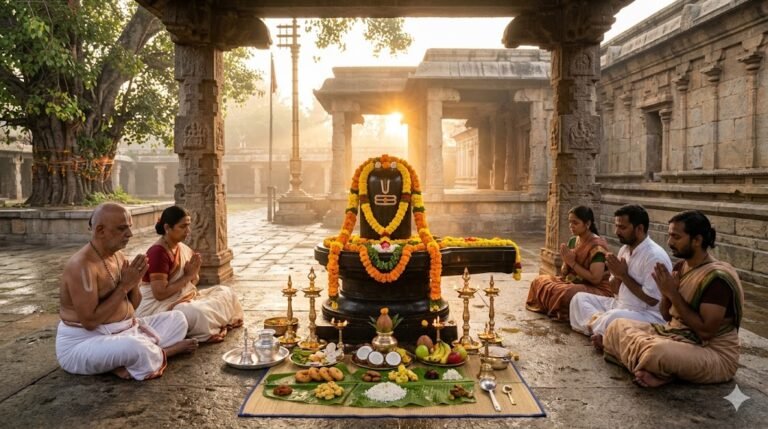
Pour water, milk, or bilva leaves over the Shiva Lingam while offering heartfelt prayers. Each substance symbolizes purity and devotion and is believed to be dear to Lord Shiva.
Best Practices For Observing Masa Shivaratri
- Prepare your puja items a day before to avoid last-minute stress.
- Focus on internal silence and meditation. Reflect on qualities you’d like to cultivate.
- Maintain cleanliness in your ritual area to create a sacred atmosphere.
- Chant mantras slowly and with concentration for better spiritual resonance.
Common Mistakes To Avoid
- Avoid starting puja without bathing—ritual purity is traditionally emphasized.
- Do not break your fast before sunrise after Maha Shivaratri night; wait for the auspicious time.
- Avoid distractions like mobile phones during the night vigil. Staying focused helps deepen your practice.
Frequently Asked Questions (FAQ)
What Is The Difference Between Masa Shivaratri And Maha Shivaratri?
Masa Shivaratri occurs every month on Krishna Paksha Chaturdashi. Maha Shivaratri is the annual grand observance that holds greater spiritual weight and is observed in the month of Phalguna.
Can I Observe Masa Shivaratri At Home?
Yes, you can observe it at home by creating a small puja space, offering water, bilva leaves, and chanting Shiva mantras. Many devotees observe the fast and night vigil with family members.
Do I Need To Fast Strictly?
Fasting traditions vary. Some observe strict fasts (only water), while others take light, sattvic food. Choose based on your health and capacity, ensuring you stay safe.
Is It Important To Stay Awake All Night?
While staying awake (jagarana) is a key part of the ritual, prioritize your health first. If you are unwell, offer prayers with devotion during the evening and early morning hours.
Where Can I Learn More About Hindu Lunar Calendars And Tithis?
For more details on the Hindu lunisolar calendar and festival dates, explore the Vikram Samvat page, which explains how lunar months and tithis are calculated.
Masa Shivaratri Dates 2021 offered devotees a full year of spiritual opportunities to honor Lord Shiva. If you follow these dates and rituals, you’ll be aligned with a timeless tradition that millions uphold with deep reverence.

+ There are no comments
Add yours