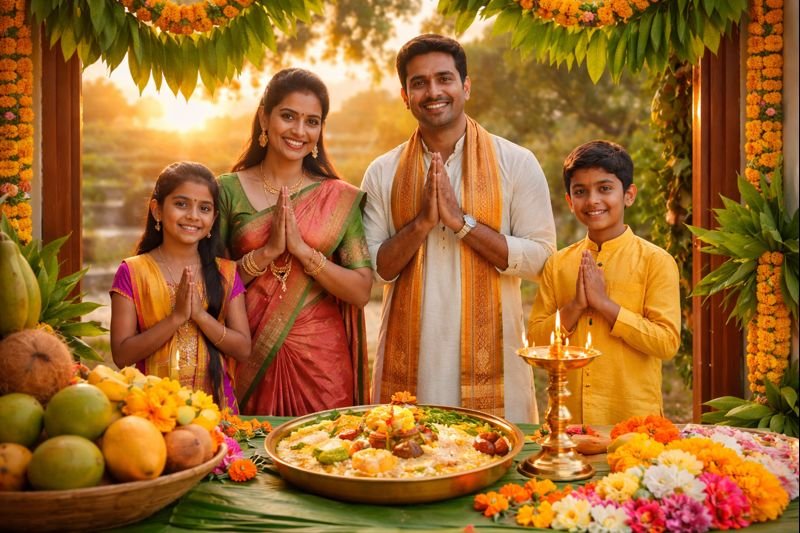
Plava Nama Samvatsara Ugadi: Essential Guide To The Telugu New Year
Plava Nama Samvatsara Ugadi refers to the celebration of Ugadi in the year named **Plava Nama Samvatsara** — one of the 60 traditional Telugu year names in the Hindu lunisolar calendar. **Plava Nama Samvatsara Ugadi** marks the beginning of a new year with cultural, spiritual, and seasonal significance for Telugu-speaking communities. Ugadi itself is the Telugu New Year celebrated on the first day of the Hindu month Chaitra, usually in March or April.
What Is Plava Nama Samvatsara Ugadi?
The Telugu calendar uses a cycle of 60 year names, and each year has a unique name with traditional astrological meaning. In this cycle, **Plava Nama Samvatsara** is one such name. It was the name of the year for Ugadi celebrations like in 2021, when the year beginning on April 13 was called Plava Nama Samvatsara and symbolized wisdom and knowledge according to tradition.
However, ugadi — also known as Yugadi or Samvatsarādi — literally means “the beginning of a new age,” derived from Sanskrit *yuga* (era) + *ādi* (beginning). It falls on the **first day of the bright half (Chaitra Shukla Pratipada)** of the Hindu month Chaitra, signaling spring, renewal, and hope.
On the other hand, during **Plava Nama Samvatsara Ugadi**, families celebrate with unique rituals, feasts, prayers, and cultural activities. It’s more than just a festival — it’s an annual reset of social, religious, and personal life rhythms.
The 60-Year Telugu Samvatsara Cycle
The Telugu calendar follows a repeating 60-year cycle where each year has a distinctive name and astrological significance. These names are rooted in ancient traditions and often associated with characteristics believed beneficial or challenging for that year.
| Samvatsara Number | Year Name | Meaning/Association |
|---|---|---|
| 35 | Plava | Symbolic of movement, growth, or floating (traditional interpretation) |
| 36 | Shubhakrit | Blessings and prosperity |
| 37 | Shobhakrit | Radiance and beauty |
| 38 | Krodhi | Energy and potential intensity |
This cycle explains why each Ugadi’s year name changes — giving each Telugu New Year a distinct theme and symbolic flavour.
When Does Plava Nama Samvatsara Ugadi Occur?
Ugadi falls on **Chaitra Shukla Pratipada**, the first day of the bright half of the lunar month of Chaitra in the Hindu calendar. The corresponding date in the Gregorian calendar varies each year and usually occurs in **March or April**.
For example, during the **Plava Nama Samvatsara year in 2021**, Ugadi was celebrated on **Tuesday, April 13**.
Therefore, to find the exact date for **Plava Nama Samvatsara Ugadi** in any year, it is best to refer to the **Panchangam (Hindu almanac)** or the official Panchang calendar releases. Panchangam predictions include precise timings of tithis, nakshatras, and auspicious muhurats for performing rituals.
Traditional Rituals And Practices
1. Panchanga Sravanam (Almanac Recitation)
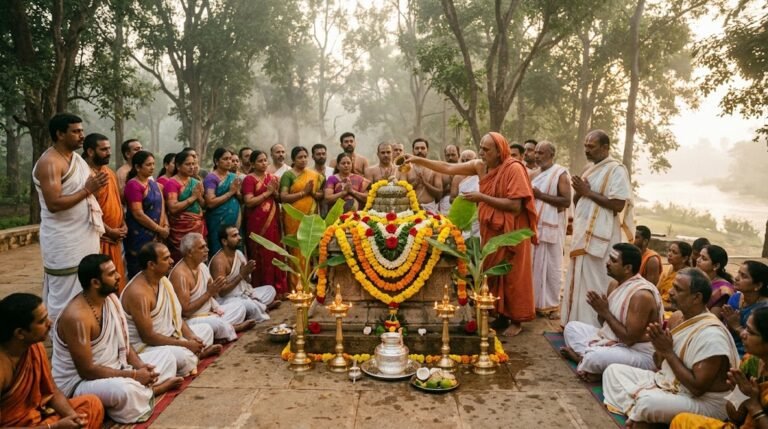
On Ugadi morning, many families and temples conduct **Panchanga Sravanam** — the ceremonial reading of the year’s astrological calendar. This recitation gives forecasts about weather, crops, finances, and personal horoscopes for the entire year.
2. House Cleaning And New Clothes
Before Ugadi, homes are cleaned thoroughly and decorated with **fresh mango leaves (torana)**. People wear **new clothes** to symbolize renewal and purity.
3. Oil Bath And Puja
The day begins with an early **oil bath**, followed by prayers and offerings to deities. Devotees often visit local temples to seek blessings for health, prosperity, and wellbeing.
4. Making Ugadi Pachadi
One of the most unique culinary traditions is preparing **Ugadi Pachadi** — a mixture of six tastes representing emotions people may experience in the new year: sweet, sour, salty, bitter, astringent, and spicy. This dish is symbolic of life’s balance of joy and adversity.
Personal Observations And Cultural Nuances
When I visited Andhra Pradesh during Ugadi celebrations, what surprised me most was how deeply **each family interprets the year theme**. In 2021, elders spoke about Plava Nama Samvatsara’s symbolic association with wisdom and flexibility — urging younger generations to embrace change.
I personally recommend attending a **Panchanga Sravanam session at a temple**, where the priest explains not only the calendar timings but also spiritual meanings tied to the year name — something often overlooked in casual celebrations.
Step-By-Step: How To Prepare For Plava Nama Samvatsara Ugadi
- 30–40 Days Before Ugadi: Consult a local Panchangam to confirm the exact date and tithi details.
- 7–10 Days Before Ugadi: Begin cleaning your home and purchasing fresh mango leaves and flowers for decoration.
- 2–3 Days Before: Buy new clothes, sweets, and raw ingredients needed to make **Ugadi Pachadi**.
- Ugadi Eve: Prepare the Pachadi, organize family puja items, and set up the prayer space.
- Ugadi Morning: Take an early oil bath, wear new clothes, perform puja, and eat Ugadi Pachadi with family.
- After Puja: Attend temple Panchanga Sravanam and share sweets or prasadam with neighbours and relatives.
Best Practices During The Festival
- Wake up early to honour tradition — the earlier you start, the more auspicious it’s considered.
- Use **fresh ingredients** for Panchanga Sravanam and Pachadi — this aligns with the festival’s emphasis on renewal.
- Ensure children understand the symbolic meaning of the six flavours in Ugadi Pachadi — it’s a valuable cultural lesson.
- Document your family’s Panchangam predictions; families often compare them year over year to notice patterns.
Common Mistakes To Avoid
- Don’t skip the Panchanga Sravanam — it’s not merely ritual; it carries astrological and cultural importance.
- Avoid last-minute cleaning — rushing can lead to missing auspicious timings for decorations.
- Do not throw away leftover Pachadi after the festival; it’s considered auspicious to share or save in some traditions.
- Refrain from heavy arguments or stress on Ugadi morning — the day is meant for calm beginnings.
Frequently Asked Questions
What Does “Plava” Mean In Plava Nama Samvatsara?
“Plava” in the context of the year name is traditionally interpreted as movement, akin to floating or adapting, symbolizing a dynamic year full of change and fluidity. Interpretations may vary by region and astrologer.
Is Plava Nama Samvatsara The Same Every 60 Years?
No. Plava Nama Samvatsara occurs once every 60 years in the Telugu calendar. The cycle ensures that each name recurs after completing the full 60-year sequence.
Can Ugadi Date Change Every Year?
Yes. Since Ugadi follows a lunisolar calendar, the corresponding date in the Gregorian calendar shifts each year, typically between late March and early April.
Where Can I Find Official Panchangam Details?
You can refer to authoritative Panchangams published by temple trusts or printed Hindu almanacs. For general festival information, see Ugadi – Wikipedia. Many state religious departments also release official dates and muhurats.
Conclusion
**Plava Nama Samvatsara Ugadi** is both culturally rich and spiritually significant. It’s a moment where time, tradition, and personal aspirations converge. Whether you’re preparing your first Ugadi celebration or honoring an age-old family tradition, understanding the meaning behind Plava Nama Samvatsara adds depth and joy to the festival.

+ There are no comments
Add yours