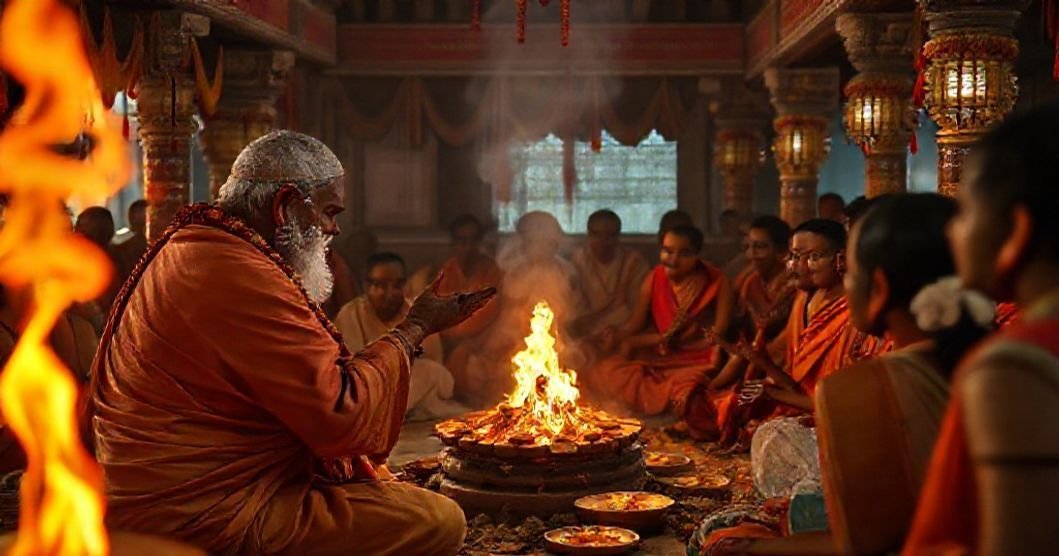
Significance Importance Procedure Of Maha Mrityunjaya Homam
Significance Importance Procedure Of Maha Mrityunjaya Homam is a sacred Vedic ritual dedicated to Lord Shiva, focused on seeking divine protection, healing, longevity, and freedom from untimely death through fire offerings and mantra chanting. This ritual invokes the Maha Mrityunjaya Mantra from the Rigveda and Yajurveda, which is believed to bestow spiritual and physical wellbeing when performed with devotion and proper rites.
What Is Maha Mrityunjaya Homam
Maha Mrityunjaya Homam is a fire ceremony (homa) dedicated to Lord Shiva aimed at conquering death and serious illness, overcoming fear, and promoting long life. The ritual centers around chanting the potent Maha Mrityunjaya Mantra while making offerings into the sacred fire (havan kund).
Traditionally performed by trained Vedic priests (pandits), it combines mantra chanting, oblations, and specific ritual procedures to invoke divine grace. This homam is considered particularly powerful when performed during auspicious days such as Mondays, Shravan month, or during festivals related to Lord Shiva. Understanding significance importance procedure of maha mrityunjaya homam is essential.
Historical And Scriptural Background
The Maha Mrityunjaya Mantra appears in the Rigveda (RV 7.59.12) and is addressed to Tryambaka (“Three-eyed One”), an epithet of Lord Shiva. The mantra symbolizes prayer for liberation from death and protection through divine energy.
Legend suggests Sage Markandeya, destined for early death, chanted this mantra with devotion and was blessed with life by Shiva, which illustrates the mantra’s power to transcend mortality.
Significance And Importance Of Maha Mrityunjaya Homam
The focus of this ritual is healing, protection from misfortune, and overall wellbeing: This relates to significance importance procedure of maha mrityunjaya homam.
- It is believed to protect against untimely or unnatural death and severe illnesses.
- It strengthens physical and mental resilience, creating a protective spiritual aura.
- Devotees perform it for family members, especially elders or those facing health challenges, seeking long life and comfort.
- The ritual is also performed to alleviate negative astrological influences or doshas in the natal chart.
When To Perform The Homam
Certain times and days are considered auspicious for Maha Mrityunjaya Homam:
- Mondays – Lord Shiva’s day.
- Pradosham – Twice monthly period associated with Shiva’s benevolence.
- Shravan Month – Entire month dedicated to Shiva.
- Maha Shivaratri – Festival celebrating Shiva.
Preparation Before The Ritual
Proper preparation ensures the homam is conducted with respect and focus:
- Clean Environment – The puja area should be clean and quiet.
- Samagri Ready – Collect essential items such as durva grass, ghee, herbs, fruits, and incense.
- Consult A Pandit – Engage a knowledgeable priest experienced in Vedic rites to ensure correct pronunciation of mantras and ritual steps.
Step-By-Step Procedure Of Maha Mrityunjaya Homam
Below is a typical sequence followed during the homam, noting that exact customs may vary regionally and by tradition: Learn more about significance importance procedure of maha mrityunjaya homam.
1. Ganapati Invocation
The ritual begins with Ganapati puja to remove obstacles and initiate auspicious proceedings.
2. Purification Rituals
Perform Punyahavachanam to purify the space, self, and materials used in the homam. Sacred water is sprinkled around the area.
3. Sankalpa
The pandit makes a vow (sankalpa), stating the devotee’s name, purpose of the homam, and intentions before the deity.
4. Invoke Lord Shiva
An invocation prayer is recited to welcome Lord Shiva (Tryambaka) into the ritual space, often coupled with kalasha (sacred pot) installation.
5. Mantra Chanting
The Maha Mrityunjaya Mantra is chanted repeatedly—commonly 108, 1008, or more times—while offerings are made into the fire. This is the core of the homam.
6. Fire Offerings
Sacred oblations such as ghee, herbs, and durva grass are offered into the havan kund with each chanting round, symbolizing surrender to divine fire.
7. Completion And Blessings
After the final offering (Purnahuti), the priest performs Deeparadhana and bestows blessings for health, longevity, and protection.
Best Practices And Tips
- Recite the mantra with full devotion and correct pronunciation; phonetic errors can lessen spiritual impact.
- Maintain a calm and focused mind during the ritual for greater spiritual connection.
- If performing at home, choose early morning or Brahma muhurta for heightened spiritual energy.
- Offer fresh and pure items as part of the homam rather than substitutes or processed materials.
Common Mistakes To Avoid
- Avoid attempting the full homam without an experienced priest, as complex mantra sequences and fire rituals require guidance.
- Do not rush through the procedure; follow each step in prescribed order for full effectiveness.
- Avoid distractions or interruptions once the homam begins to maintain spiritual concentration.
Personal Experience And Observations
When I visited a traditional yajna hall in Nashik during Shravan month, I observed how attentively the pandits chanted the Maha Mrityunjaya Mantra and offered ghee into the fire. The atmosphere was deeply peaceful, and many participants expressed emotional relief and a sense of inner calm afterward. I personally recommend scheduling this homam under priest supervision if you are seeking profound spiritual solace or healing.
Frequently Asked Questions (FAQ)
Who Should Perform Maha Mrityunjaya Homam?
Individuals facing serious health concerns, those looking to bless family members with long life, or devotees seeking protection and spiritual growth often perform this ritual. Many also do it as preventive spiritual support.
How Long Does The Homam Take?
Duration varies based on the number of mantra recitations and complexity, usually lasting 4 to 6 hours. Larger homams with more chants can extend longer.
Can I Perform It At Home?
Yes, with proper preparation and a trained pandit, the homam can be held at home with an open space for havan.
Is There A Cost Involved?
Cost depends on the pandit’s fees, number of chants, duration, and materials. Typical ranges can be approximately ₹10,000–₹25,000 in India, varying widely by region and setup.
What Should Participants Do During The Homam?
Participants are encouraged to sit respectfully, chant along if instructed, and maintain silence and reverence throughout the ritual.


+ There are no comments
Add yours