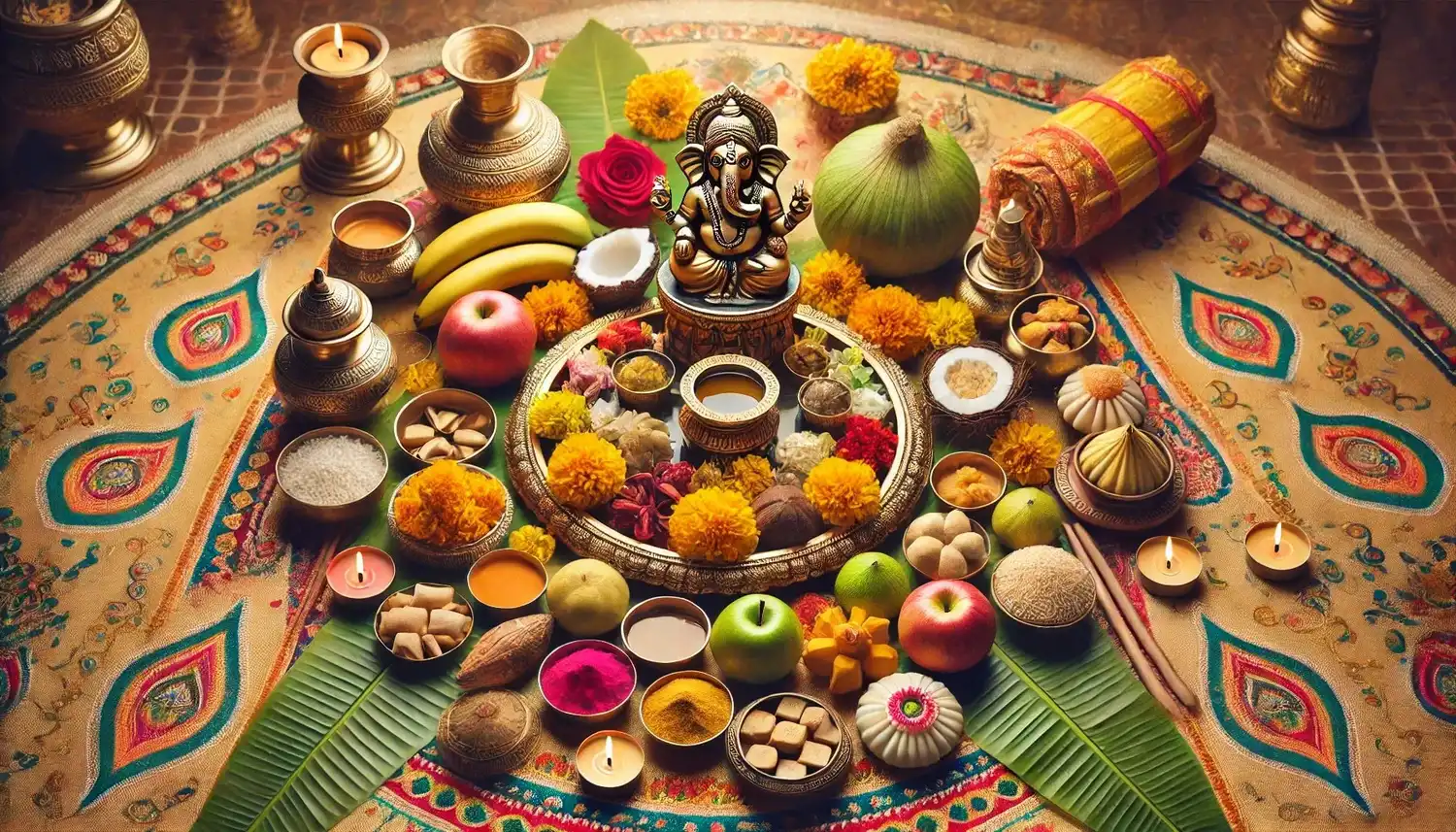
Significance Of Vedavyasa Jayanti: Essential Spiritual Celebration And Traditions
The Significance Of Vedavyasa Jayanti is deeply rooted in Hindu spiritual heritage as the commemoration of Sage Vedavyasa’s extraordinary contributions to sacred literature and wisdom traditions. This auspicious occasion, observed on specific lunar dates such as Vaishakha Shukla Trayodashi or celebrated widely as Guru Purnima on Ashadha Purnima, honors the birth anniversary of the great sage who compiled the Vedas, authored the Mahabharata, organized the Purāṇas, and shaped ancient Indian philosophy and religion.
On the other hand, when I first learned about Vedavyasa Jayanti during a visit to an ashram festival in South India, I was struck by how the celebration radiated reverence for knowledge and teachers. The festival is not only about remembering a historic figure but also about renewing our commitment to learning, devotion, and inner transformation.
Who Was Vedavyasa And Why His Jayanti Matters
Sage Vedavyasa, also known as Krishna Dvaipayana Vyasa, is one of the most revered sages in Hinduism and is credited with organizing the vast body of Vedic knowledge for future generations. Understanding Significance Vedavyasa Jayanti is essential.
Life And Contributions Of Vedavyasa
- Compiler Of The Vedas: Vedavyasa divided the original Veda into four parts—Rigveda, Yajurveda, Samaveda, and Atharvaveda—making sacred teachings more accessible.
- Author Of The Mahabharata: He is recognized as the author and narrator of the Mahabharata, including the Bhagavad Gita.
- Creator Of Purāṇas: The eighteen Purāṇas and other key texts in Hindu philosophy are also attributed to him, enriching spiritual literature.
- Teacher Of Dharma: His teachings emphasized dharma (righteous living), knowledge, and devotion, laying foundations for spiritual wisdom in many traditions.
Vedavyasa Jayanti is thus more than a birthday celebration—it is recognition of his role in shaping the spiritual and moral framework of Hindu thought.
Date And Timing Of Vedavyasa Jayanti
The specific date for Vedavyasa Jayanti varies among communities. One traditional observance is on the Vaishakha Shukla Trayodashi (13th day of the waxing moon in the Vaishakha month), considered his true birth anniversary in some regions.
However, in broader Hindu practice, Vedavyasa Jayanti is often celebrated as Guru Purnima, falling on the full moon day (Purnima) of Ashadha month. In 2025, for example, Guru Purnima was observed on July 10. This relates to Significance Vedavyasa Jayanti.
Significance Of Vedavyasa Jayanti In Spiritual Traditions
The true significance of Vedavyasa Jayanti lies in its reminder of the essential role of knowledge and the guru (teacher) in human life. This festival emphasizes devotion, gratitude, and the pursuit of truth.
Honoring The Guru Tradition
On this day, disciples honor their spiritual teachers as embodiments of wisdom, acknowledging that a guru guides one from ignorance to illumination. Guru Purnima, also referred to as Vyas Purnima, directly connects to this tradition.
Celebrating The Preservation Of Sacred Texts
Vedavyasa’s work ensured that the complex and extensive teachings of the Vedas could be studied, applied, and passed down through generations. His contributions are seen as safeguarding spiritual heritage for humanity. Learn more about Significance Vedavyasa Jayanti.
Universal Importance Beyond Hinduism
This occasion also resonates with followers beyond Hindu traditions. For example, Buddhists commemorate the first sermon of Lord Buddha on Guru Purnima, linking the festival to broader spiritual teaching and guidance.
How Vedavyasa Jayanti Is Celebrated
Celebrations vary by region and tradition but commonly include puja, study of scriptures, meditation, and expressions of gratitude to teachers.
Common Rituals And Practices
- Scripture Recitation: Chanting and listening to Vedic hymns, the Mahabharata, and the Bhagavad Gita highlight Vedavyasa’s teachings.
- Guru Puja: Devotees pay respect to spiritual mentors and teachers with offerings and hymns.
- Fasting And Meditation: Some devotees observe fasts and engage in meditation for inner purification and concentration.
- Educational Events: Discourses and classes on Vedavyasa’s works and philosophy encourage deeper understanding of ancient wisdom.
During my visit to an ashram on a Vedavyasa Jayanti celebration, I saw students and elders gathered for hour-long recitations of the Bhagavad Gita. The focus was not on performance but on deep understanding. This relates to significance vedavyasa jayanti.
Tips And Best Practices For Observing Vedavyasa Jayanti
If you plan to observe Vedavyasa Jayanti with devotion and meaning, here are helpful tips:
- Start Early: Begin spiritual observances in the morning with meditation and prayer.
- Study Intentively: Choose a passage from the Bhagavad Gita or the Vedas and contemplate its meaning.
- Express Gratitude: Thank your teachers—formal or informal—for guiding your learning and growth.
- Create A Sacred Space: Set up a quiet area with images or texts of Vedavyasa and your spiritual teachers for focused practice.
Common Mistakes To Avoid On Vedavyasa Jayanti
Observing this festival with awareness requires avoiding some common pitfalls:
- Focusing Only On Ritual Without Meaning: The ritual is important, but understanding and devotion deepen the experience.
- Ignoring Quiet Reflection: Vedavyasa Jayanti is an ideal time for introspection; rushing through celebrations can dilute the spiritual impact.
- Neglecting Learning: The essence of this day is knowledge—don’t miss opportunities for study or discourse.
Frequently Asked Questions About Vedavyasa Jayanti
1. What Is The Exact Date Of Vedavyasa Jayanti?
Vedavyasa Jayanti is observed on Vaishakha Shukla Trayodashi, though many communities celebrate it as Guru Purnima on Ashadha Purnima. Dates differ regionally. This relates to significance vedavyasa jayanti.
2. Why Is Vedavyasa Celebrated As The First Guru?
He systematized vast spiritual texts and wisdom, guiding humanity from ignorance to enlightenment—thus regarded as the first and greatest guru.
3. How Can I Observe Vedavyasa Jayanti At Home?
One can observe by reading sacred texts, performing puja for teachers or elders, meditating, and sharing teachings with friends and family.
4. Is Vedavyasa Jayanti A National Holiday?
Vedavyasa Jayanti is not a national public holiday in India but holds significant religious importance and is widely celebrated within spiritual communities. This relates to significance vedavyasa jayanti.
5. Can Non-Hindus Celebrate Vedavyasa Jayanti?
Yes. People interested in wisdom, meditation, and spiritual traditions can celebrate it by learning from Vedavyasa’s teachings and honoring teachers.
Ultimately, the Significance Of Vedavyasa Jayanti lies in inspiring us to pursue truth, honor our teachers, and perpetuate wisdom for future generations.
On the other hand, for more factual reference on Vedavyasa and the broader tradition of Guru Purnima, you can explore Vyasa on Wikipedia and the Guru Purnima page on Wikipedia. This relates to significance vedavyasa jayanti.


+ There are no comments
Add yours