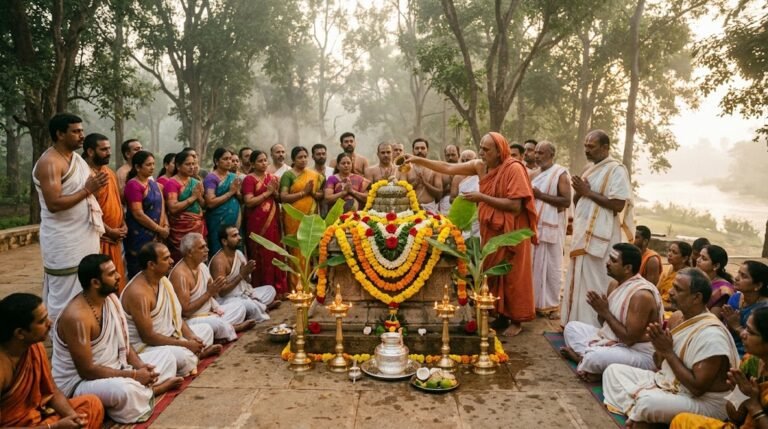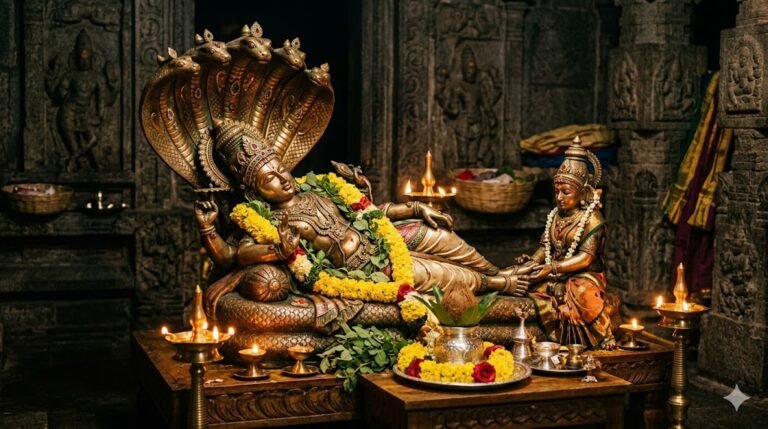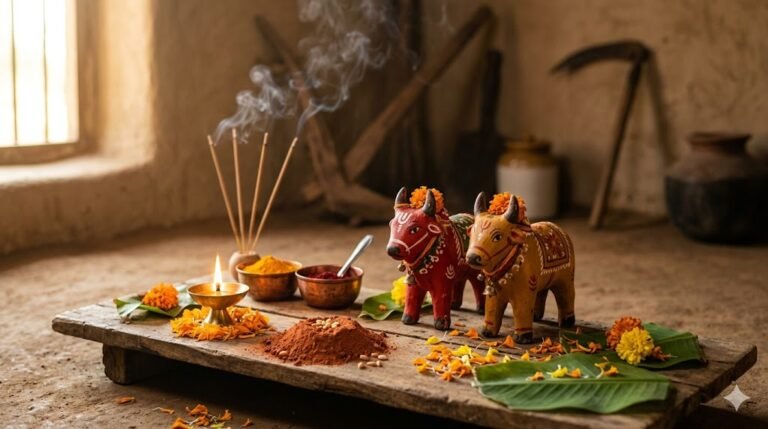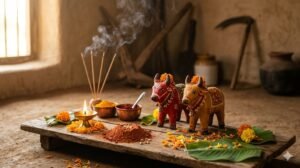
Adhika Maasa Daanalu carry akshaya punya. Here is the full list of 33 daanam items, the apoopa daanam vidhi, sankalpa & best days during May–June 2026.
Adhika Maasa Daanalu are widely regarded as the single most powerful form of charity a Hindu devotee can perform in a lifetime. Falling once in roughly 32–33 months, this extra lunar month carries a unique promise from Lord Vishnu Himself — that any daanam, japam, or vrata offered during this period yields akshaya phalam, fruit that never depletes. In 2026, this rare window opens from 17 May to 15 June, making it the most spiritually charged month of the entire Parabhava Nama Samvatsara.
However, most devotees only know that “33 daanam items” must be given. Few know which items, in what order, with which sankalpa, or on which tithis the phalam multiplies further. This guide closes that gap completely.
Quick Summary at a Glance
- Adhika Maasa 2026 dates: 17 May 2026 (Sunday) to 15 June 2026 (Monday)
- Presiding deity: Lord Vishnu in His Purushottama swarupam
- Sacred number: 33 — representing the 33 Vedic devatas (8 Vasus, 11 Rudras, 12 Adityas, Indra, Prajapati)
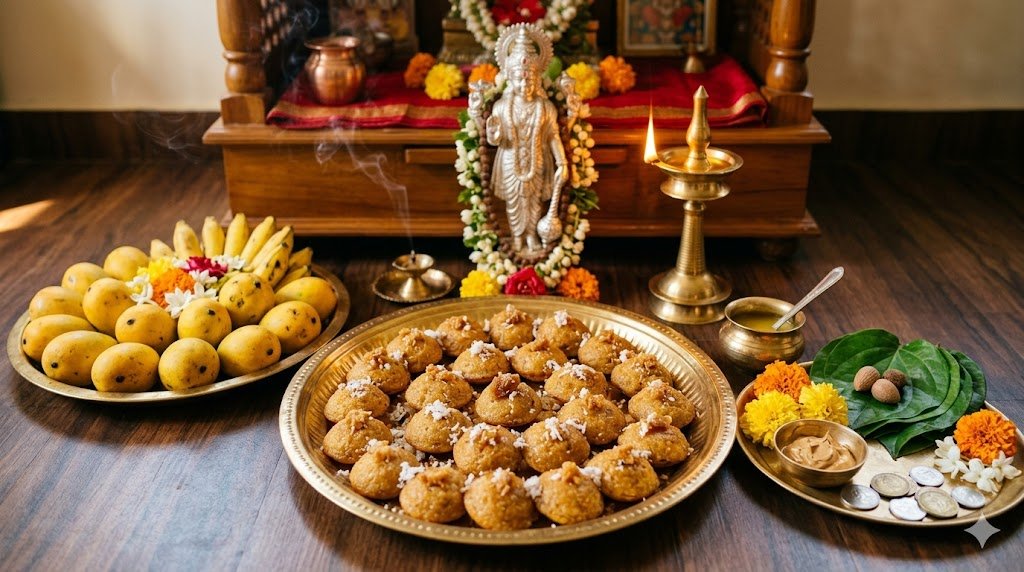
- Foremost daanam: Apoopa Daanam (33 sweet rice cakes)
- Most auspicious days: Adhika Purnima (31 May 2026) and Adhika Amavasya (15 June 2026)
- Sankalpa formula: “Purushottama Preetyartham” at start, “Purushottama Preeyatam” at end
- Source scripture: Bruhannaaradeeya Purana (21 chapters, 1563 shlokas on Adhika Maasa Mahatmyam)
What Are Adhika Maasa Daanalu?
Adhika Maasa Daanalu refer to the specific charitable offerings prescribed for the intercalary 13th lunar month known as Purushottama Maasam. Notably, these are not ordinary donations — each item is offered in a count of 33, and each one represents one of the 33 Vedic devatas in whom Lord Vishnu resides as antaryami.
The tradition draws its authority from Sage Vedavyasa’s Bruhannaaradeeya Purana, where the conversation between Sri Hari and Narada describes the rituals in 21 detailed chapters. Therefore, every act performed during this month is treated as worship offered directly to Purushottama, the supreme being.
Why the Number 33 Matters
The number 33 is not arbitrary. In Vedic cosmology, the 33 koti devatas are not 330 million gods (a common misreading) — koti here means “category.” Specifically, they are eight Vasus, eleven Rudras, twelve Adityas, Indra, and Prajapati. Adhika Maasa arrives once every 33rd lunar month, and offering 33 items pleases all 33 devatas simultaneously.
Furthermore, Lord Vishnu is present as antaryami (inner controller) in all 33 of these forms. Hence, a single Adhika Maasa Daanam carries the weight of pleasing the entire Vedic pantheon in one act. This is why scriptures call it parva kaala — a junction of cosmic time when ordinary punya multiplies into akshaya punya.
Adhika Maasa 2026: Important Dates for Daanam
The 2026 Adhika Maasa is unique because it falls within Jyeshta month, creating a rare “Double Jyeshta” year. According to Hindu astronomical calculation, this happens when the sun fails to transit a new rashi during a lunar month. Consequently, 2026 becomes a 13-month Vikram Samvat year — an event that will not recur until 2029.
Most Powerful Days for Adhika Maasa Daanalu
| Date | Tithi / Day | Recommended Daanam |
|---|---|---|
| 17 May 2026 | Adhika Maasa begins (Padyami) | Sankalpa + Tamboola Daanam |
| 23 May 2026 | Shukla Ashtami | Apoopa Daanam (preparatory) |
| 27 May 2026 | Padmini Ekadashi | Vrata + Phala Daanam |
| 31 May 2026 | Adhika Purnima (Sunday) | Apoopa Daanam — supreme phalam |
| 11 June 2026 | Parama Ekadashi | Upavasa + Vastra Daanam |
| 15 June 2026 | Adhika Amavasya | Final daanam + Pitru tarpanam |
Specifically, if you cannot perform daanam every day of the month, the Shivalli and Madhwa traditions strongly recommend Shukla Dwadashi, Purnima, Krishna Ashtami, Krishna Navami, Krishna Dwadashi, Krishna Chaturdashi, and Amavasya as substitute days.
The Complete List of 33 Adhika Maasa Daanalu
Below is the consolidated list of 33 daanam items as practised in traditional Andhra, Karnataka, and Maharashtra households. Although some lineages add minor variations, this represents the core list compiled from Madhwa siddhanta and Shivalli Brahmin sources.
1. Apoopa Daanam (The Foremost Daanam)
Apoopa is a sweet cake made from rice flour, jaggery, and ghee — fried in ghee, never oil. Notably, the Padma Purana equates apoopa daanam to bhu-daanam (donation of land), making it the single most rewarding charity of the month.
The 33 apoopas are placed in a brass or bronze (kamsya) vessel along with extra ghee, jaggery, and dakshina. Then the householder performs sankalpa invoking Purushottama and gifts the vessel to a Brahmana. Each apoopa hole, scriptures say, equals one thousand years of swargaloka residence.
2. Phala Daanam (33 Fruits)
Mangoes, bananas, jackfruit lozenges, or seasonal fruits — minimum 33 in count. Furthermore, each plate must include 33 betel leaves, 33 betel nuts, and dakshina. Mangoes are particularly recommended in 2026 because Adhika Maasa overlaps with peak mango season in Andhra Pradesh.
3. Tamboola Daanam
Offered daily to Brahmana couples or sumangalis. Specifically, the package contains 33 betel leaves, 33 areca nuts, coconut, blouse piece, kumkum, haldi, and dakshina. Tradition says tamboola daanam removes daurbhagya (misfortune) and bestows soubhagya.
4. Deepa Daanam
Light an akhanda deepa (continuously burning lamp) in your puja room for the entire month. Additionally, gift 33 oil lamps, ghee lamps, or wicks to a temple. Some householders escalate to 108 or 1,008 lamps on Adhika Purnima for maximum phalam.
5. Bagina Daanam (For Women)
Married women distribute baginas to at least 33 muthaides (sumangalis). A bagina contains a small mara peeta, dry coconut, jaggery, betel leaves, blouse piece, bangles, kumkum, and grains. Generally, this is performed before Purnima.
6. Vastra Daanam
Donate clothes — a saree to a sumangali or dhoti-uttariyam to a Brahmana. Importantly, new clothes purchased before Adhika Maasa can be given; buying new garments during the month for personal use is restricted.
7. Anna Daanam (Brahmana Bhojanam)
Feed 33 Brahmanas as the udyapana (concluding ritual) of any Adhika Maasa vrata. Moreover, scriptures rate this equivalent to performing one Ashwamedha Yagna.
8. Go Daanam (Cow Donation)
For those with means, a milch cow donation is the highest material daanam. Alternatively, sponsor cow feed (gograsam) at a goshala — many devotees donate ₹3,300 or ₹33,000 to gosala trusts during Adhika Maasa.
9. Bhu Daanam (Land Donation)
Symbolic land donation to a temple or trust. Practically, modern devotees donate to temple expansion funds or perform sankalpa with a clod of soil from their land.
10. Suvarna & Rajata Daanam
33 silver items (small bowls, lamp wicks, or coins) are widely practised. Gold daanam, while ideal, is offered yathashakti — even 33 grams of gold or 33 small gold-plated tulsi beads suffice.
11. Udaka Kumbha Daanam
A copper or silver pot filled with water, mango leaves, and a coconut. Above all, this is recommended in summer months like Adhika Jyeshta 2026 because it represents quenching thirst — a punya multiplied in the heat.
12. Pustaka Daanam
Donate 33 copies of Bhagavad Gita, Vishnu Sahasranama, or Bhagavata Purana to libraries, schools, or pilgrims. As a result, the giver earns the punya of the readers’ future learning.
13. Chaapa & Mandasana Daanam
Mats and low wooden seats used in puja. Likewise, gifting these to a temple ensures continuous punya whenever a devotee uses them for worship.
14. Shayya Daanam
A bedroll set — durrie, blanket, and pillow. Especially recommended for elderly Brahmanas, ascetics, or destitute persons. The phalam is described as freedom from the cycle of rebirth.
15. Chatra & Paaduka Daanam
Umbrella and chappals. Since Adhika Maasa 2026 falls in peak summer, gifting these to pilgrims, priests, or temple workers carries immediate practical and spiritual merit.
16. Tulasi Mala Daanam
33 tulasi malas, gifted to devotees or placed at Vishnu’s feet daily. Additionally, 33 tulasi leaves should be offered to the Vishnu paada in your home shrine every morning of the month.
17. Saligrama Pooja Samagri
For those with Saligramas at home, gifting puja items — pancha patra, uddharani, sandalwood, kumkum — to a temple ensures continued worship.
18. Gandha Daanam
Sandalwood paste, sandalwood wood pieces, and the saanekal (grinding stone). Notably, gandha daanam is considered especially dear to Lord Krishna in Vrindavan tradition.
19. Dadhi & Ksheera Daanam
Curd and milk — gifted with 33 small tumblers. Therefore, many families donate to anganwadis, orphanages, or old-age homes during this month.
20. Madhu & Ghrita Daanam
Honey and ghee in equal measure. Furthermore, this combination is believed to please all 33 devatas as it forms the core of Vedic havis.
21. Sakshara & Khanda Sharkara Daanam
Sugar and rock candy. Simple, accessible, and equally meritorious — distributed to children at temples or schools.
22. Tarakari Daanam
Vegetables in 33 varieties or weight. As a result, this is one of the most practical daanalu, easily fulfilled at local sabzi mandis with donation to a community kitchen.
23. Bhojana Saamagri Daanam
Groceries — rice, dal, jaggery, ghee, oil, masalas — packaged as monthly ration kits for poor families. In fact, a single ration kit fulfils multiple daanalu at once.
24. Krishnajina Daanam
Symbolic deer-skin (now substituted with a kusha mat or silk cloth) used for meditation. Gifted to sannyasis and Vedic students.
25. Janeu Daanam (Yajnopavita)
33 sacred threads gifted to Brahmana boys or to a Vedic pathashala.
26. Hoo Batti & Mangala Aarti Batti
Cotton wicks for daily lamp lighting — 100 or 33 in count. Clearly, this is among the easiest daanalu and can be sustained through the entire month.
27. Gejje Vastra Daanam
Small pieces of cloth (33) used in deity decoration. Gifted to temple priests for their use during alankaram.
28. Vishnu Paada Daanam
A small silver or brass plate engraved with Vishnu’s feet — placed in another devotee’s home shrine or in a temple.
29. Cradle (Tottelu) with Krishna Vigraha
A small cradle with a baby Krishna idol. Particularly auspicious for couples seeking santana prapti.
30. Ghanta & Jagate Daanam
Bell and gong set for temple use. Naturally, these resonate during every aarti, accruing continuous punya.
31. Gopi Chandana Daanam
33 gopi chandana sticks for Vaishnava tilakam. Gifted to Madhwa or Sri Vaishnava households.
32. Pancha Mudra Set
Five sacred symbols (shankha, chakra, etc.) used in Vaishnava marking. Generally given to male devotees.
33. Dravya Daanam (Cash Donation)
If material items are not feasible, donate currency in denominations of 33. For example, ₹333, ₹3,300, or ₹33,000 to a Vishnu temple, goshala, or pathashala completes the symbolic offering.
Adhika Maasa Daanam Sankalpa Vidhi
Sankalpa transforms a transactional gift into a spiritual offering. Therefore, the procedure must be followed with care.
Step-by-Step Procedure
- Achamanam: Sip three spoons of water with Vishnu names — Achyuta, Ananta, Govinda.
- Pranayamam: Three rounds of controlled breathing.
- Desha-Kala Uchcharanam: State your location and the tithi clearly.
- Sankalpa Vakyam: Recite “Purushottama Preetyartham, Adhika Maasa Prayukta Trayastrinshat Apoopa Daanam Aham Karishye.”
- Item placement: Place the 33 items in a brass vessel before the deity.
- Mantra recitation: Chant “Govardhana Dharam Vande Gopalam Gopa Rupinam, Gokulotsavam Eeshanam Govindam Gopika Priyam” 33 times.
- Daanam handover: Offer to a deserving Brahmana, temple, or trust.
- Closing: “Purushottama Preeyatam” — let Purushottama be pleased.
The Daily Govinda Mantra
गोवर्धनधरं वन्दे गोपालं गोप-रूपिणम्।
गोकुलोत्सवम् ईशानं गोविन्दं गोपिका-प्रियम्॥
Recite this 33 times every morning during Adhika Maasa. Above all, this single sloka is described in Madhwa tradition as a passport to Vaikuntha.
What NOT to Do During Adhika Maasa
The same scriptures that elevate daanam also restrict certain karmas. Specifically, these “kamya karmas” (desire-driven rituals) are postponed to the nija (regular) month.
- Vivaham (marriage) — must wait until Nija Jyeshta or later
- Upanayanam (sacred thread ceremony) — strictly avoided
- Griha Pravesham (housewarming) — postponed
- Choodakarma (first tonsuring) — not performed
- Bhoomi Pooja — avoided for new construction
- Sanyasa Sweekaram — not initiated
- Annaprasanam, Namakaranam, Seemantham — these CAN be performed (they are samskaras, not kamya karmas)
For samvatsarika shraddha (death anniversary), the scriptures rule that if it falls in Adhika Jyeshta, perform it in Nija Jyeshta. However, monthly masika shraddhas during the first year of bereavement must be performed in both Adhika and Nija months.
Adhika Maasa Vratas That Multiply Daanam Phalam
Daanam alone is powerful; combined with vrata, the phalam compounds. Madhwa siddhanta lists 15 types of vratas, of which five are most rigorous.
Five Major Vratas
- Sampurna Upavasam: Complete fasting on Adhika Ekadashis (Padmini and Parama).
- Naktha Bhojanam: Single meal after sunset, no urad dal for the entire month. Phalam equals one Ashwamedha Yagna.
- Dharana Parana: One day fasting, one day eating — alternating throughout the month.
- Ekaha Bhojanam: One meal per day. Bestows saroopya moksha in Vaikuntha.
- Vishnu Panchaka Vratam: Five fasts — both Ekadashis, Purnima, Amavasya, and the Shravana Nakshatra day (Vishnu Nakshatra).
The Story Behind Purushottama Maasam
According to Padma Purana, when this extra month appeared, no devata accepted lordship over it. Lonely and rejected, Mala Maasa approached Lord Vishnu and pleaded for a presiding deity. Touched, Lord Vishnu took the month under His own name — Purushottama — and decreed that any punya karma performed during this period would carry akshaya phalam.
Specifically, scriptures cite the example of King Nahusha, who freed himself from all bondages through Adhika Maasa Vrata and ascended to Indra’s throne. Similarly, the story of a father who saved his son from naraka through 33 apoopa daanam is widely recited during pravachanas this month.
Common Mistakes Devotees Make
- Counting wrong: Items must be exactly 33 or in multiples of 33 — never 32 or 35.
- Wrong vessel: Apoopa must go in brass or bronze (kamsya). Stainless steel or plastic invalidates the daanam.
- Frying in oil: Apoopa must be fried in ghee. Oil-fried apoopa carries no scriptural sanction.
- Skipping sankalpa: A daanam without sankalpa is just a gift. The “Purushottama Preetyartham” formula is mandatory.
- Mixing kamya karmas: Performing weddings or housewarmings during Adhika Maasa is widely considered inauspicious.
- Wrong recipient: Daanam is most effective when given to a Vedic Brahmana, temple, or genuinely deserving person — not as a casual gift to family.
Practical Tips for Modern Devotees
Most working professionals cannot perform daily daanam. Therefore, traditional acharyas recommend a “compressed schedule” focused on key days.
The Minimum Viable Adhika Maasa Plan
- Day 1 (17 May 2026): Sankalpa + Tamboola daanam to one Brahmana couple.
- Padmini Ekadashi (27 May): Upavasam + Phala daanam.
- Adhika Purnima (31 May): The full Apoopa daanam (33 items, kamsya patra, Brahmana).
- Parama Ekadashi (11 June): Upavasam + Vastra daanam.
- Adhika Amavasya (15 June): Final daanam + pitru tarpanam + Brahmana bhojanam (33 Brahmanas if possible).
Even this minimum schedule fulfils the spirit of Adhika Maasa Daanalu and is widely accepted by acharyas as adequate for grihasthas with professional commitments.
Final Thoughts
Adhika Maasa is not merely an astronomical correction; it is a spiritual gift. Lord Vishnu Himself promises that punya earned in twelve regular months can be matched in this single intercalary month. The 33 daanalu — from apoopa to dravya — are the practical bridge between scripture and daily life.
For 2026, mark your calendar from 17 May to 15 June. Begin with sankalpa on day one, perform at least the apoopa daanam on Adhika Purnima (31 May), and conclude with daanam and pitru tarpanam on Adhika Amavasya (15 June). Specifically, treat each item as a meditation on Purushottama, and the phalam, scriptures assure, will be akshaya — without end.
Frequently Asked Questions
What are Adhika Maasa Daanalu and why are they given?
Adhika Maasa Daanalu are the 33 sacred charitable offerings given during the extra lunar month dedicated to Lord Vishnu as Purushottama. Each item represents one of the 33 Vedic devatas, and the daanam pleases all of them simultaneously. Scriptures state that punya earned through these daanalu is akshaya — eternal and undepleting.
When is Adhika Maasa in 2026?
Adhika Maasa 2026 begins on Sunday, 17 May 2026, and ends on Monday, 15 June 2026. It falls within Jyeshta month, creating a rare “Double Jyeshta” year. The next Adhika Maasa after this will occur in 2029 in Chaitra month.
What is the most important daanam during Adhika Maasa?
Apoopa Daanam is the foremost daanam — 33 sweet rice cakes made from rice flour, jaggery, and ghee, fried in ghee, placed in a brass or bronze vessel, and gifted to a Brahmana with sankalpa. The Padma Purana equates its phalam to bhu-daanam (donation of land).
Can Adhika Maasa Daanam be done if I cannot afford 33 items?
Yes. If material daanam is not feasible, you can donate 33 coins or currency notes (such as ₹333 or ₹3,300) to a Vishnu temple, goshala, or Vedic pathashala. The Shivalli Brahmin tradition explicitly permits dravya daanam as a substitute, and the phalam is preserved when sankalpa is performed correctly.
Why are weddings and griha pravesham not done during Adhika Maasa?
Adhika Maasa lacks Surya Sankranti (the sun’s transit between rashis), which traditional astrology considers necessary for kamya karmas like marriage, upanayanam, and griha pravesham. However, daanam, vratam, japam, and homam done for pleasing Lord Vishnu are not only allowed — they are believed to yield multiplied phalam.
Which days during Adhika Maasa 2026 are best for daanam?
The most powerful days are Adhika Purnima (31 May 2026) and Adhika Amavasya (15 June 2026). Additionally, Padmini Ekadashi (27 May), Parama Ekadashi (11 June), Krishna Ashtami, Krishna Navami, Krishna Dwadashi, and Krishna Chaturdashi are highly recommended substitute days for those who cannot perform daanam daily.
Can monthly shraddha be performed during Adhika Maasa?
Samvatsarika (annual death anniversary) shraddha must be performed in the Nija (regular) month, not in Adhika Maasa. However, masika (monthly) shraddhas during the first year of bereavement must be performed in both Adhika and Nija months. Consult your family priest for personalized guidance.
You May Also Like
- Padmini Ekadashi 2026: Vrata Vidhi, Timings & Significance of Adhika Maasa Ekadashi
- Parama Ekadashi 2026: Date, Story & Why This Adhika Maasa Vrata Is the Highest
- Vishnu Sahasranama Parayanam: Daily Schedule & Phalam During Purushottama Maasam
- 33 Devatas in Hindu Tradition: Complete List of Vasus, Rudras & Adityas Explained