Ardhanareeshwara Stotram Telugu: Essential Devotional Guide
“Ardhanareeshwara Stotram Telugu” is a sacred hymn recited in praise of Lord Ardhanarishvara — a divine form that unifies Shiva and Parvati in one body. This devotional prayer, rich in spiritual depth and poetic beauty, celebrates the inseparable nature of masculine and feminine energies in the universe. In Telugu spiritual traditions, this stotram is frequently recited for harmony, marital bliss, and inner balance, and remains beloved among devotees of Shiva across Andhra Pradesh and Telangana.
What Is Ardhanareeshwara?
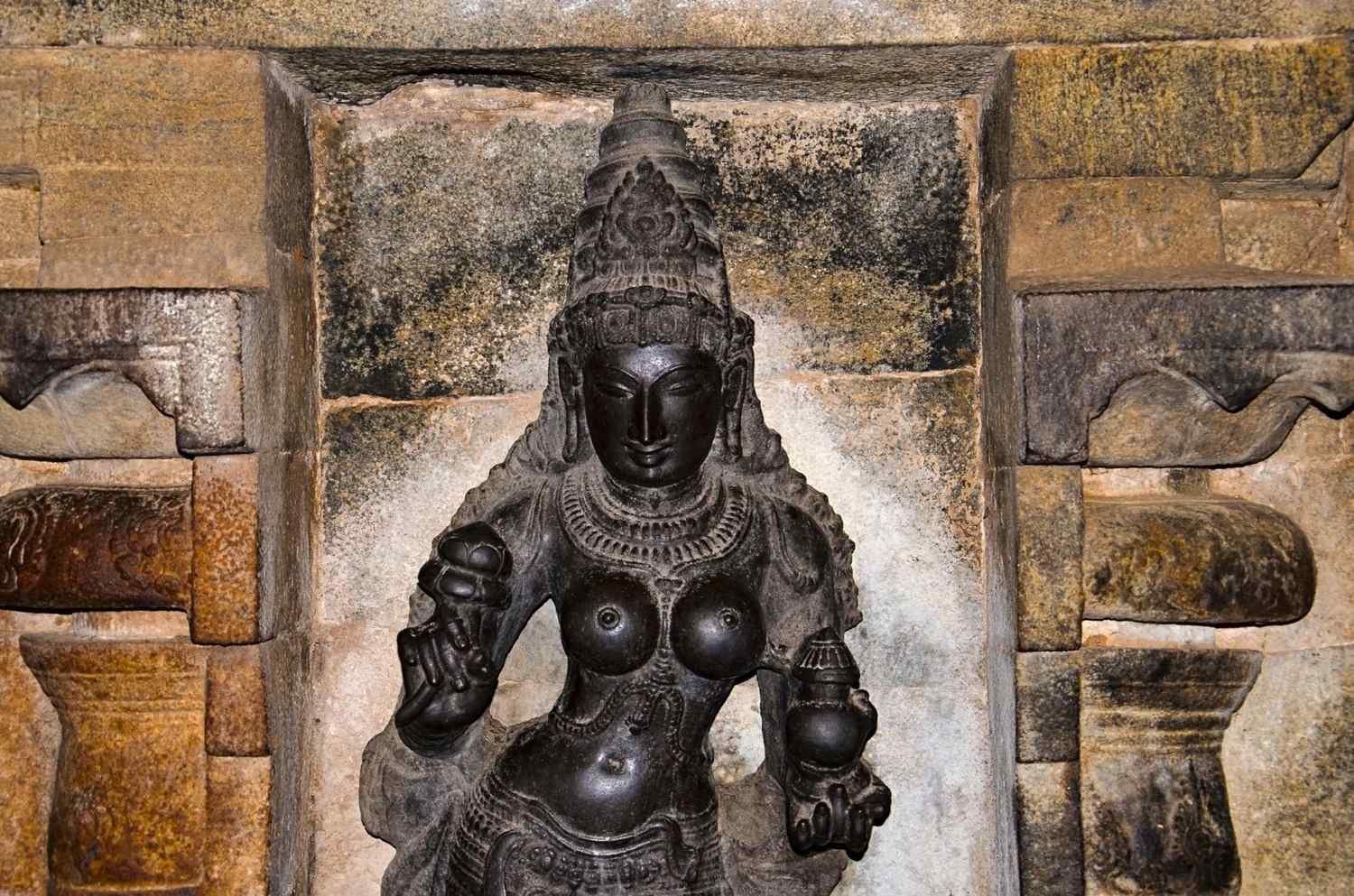
The term “Ardhanarishvara” literally means “the Lord Who Is Half Woman.” It represents Shiva and his consort Parvati merged into a single form, depicting the unity of Purusha (male principle) and Prakriti (female principle). This imagery is an iconic symbol in Hindu iconography and philosophy that expresses the balance of energies essential for creation and existence.
Also, the Ardhanarishvara form is frequently found in temples and sculptures throughout India. It points to divine gender unity, suggesting that both Shiva and Shakti are essential and inseparable aspects of divine reality.
Origin And Composition Of The Stotram
The “Ardhanareeshwara Stotram” is traditionally attributed to the revered sage Adi Shankaracharya, one of India’s greatest spiritual teachers and philosopher-saints. Legend and devotional tradition hold that he composed this hymn to honor the dual nature of Shiva and Parvati and to teach devotees about cosmic balance and devotion.
Also, unlike some other stotras, this prayer is concise yet powerful, often structured as an ashtakam — a composition of eight verses, each describing a different divine attribute of Ardhanarishvara. The Telugu version is typically a transliteration and translation of the original Sanskrit, allowing Telugu-speaking devotees to both chant and understand its meaning.
Ardhanareeshwara Stotram Telugu: The Lyrics
Below is a commonly recited Telugu version of the stotram. This rendition mirrors the Sanskrit poetic structure and includes verses that describe physical and spiritual attributes of the divine form:
| Verse | Telugu Lyrics |
|---|---|
| 1 | చాంపేయగౌరార్ధశరీరకాయై కర్పూరగౌరార్ధశరీరకాయ… నమః శివాయై చ నమః శివాయ |
| 2 | కస్తూరికాకుంకుమచర్చితాయై చితారజఃపుంజవిచర్చితాయ… నమః శివాయై చ నమః శివాయ |
| 3 | ఝణత్క్వణత్కంకణనూపురాయై పాదాబ్జరాజత్ఫణినూపురాయ… నమః శివాయై చ నమః శివాయ |
| 4–8 | Remaining verses describe divine attributes of eyes, ornaments, cosmic functions and conclude with a prayer for auspicious benefits. The hymn ends with blessings for long life, prosperity and spiritual success. |
This stotram combines beautifully rhythmic phrases with metaphoric depictions of the deity’s appearance, melding devotion with visual meditation.
Meaning And Spiritual Interpretation
Each line of the stotram describes specific symbolic features of Ardhanarishvara — such as the half of the body adorned like fragrant Champaka flowers (representing Parvati), and the other half shining like camphor (representing Shiva). These contrasts highlight the harmony of opposites — beauty and austerity, creation and destruction, feminine grace and masculine strength.
Furthermore, in spiritual terms, this hymn teaches that internal harmony arises when one recognizes and integrates both active (Shakti) and passive (Shiva) elements within oneself. Chanting this stotram is believed to instill balance, compassion, courage, and inner peace.
How To Chant The Stotram
Here is a step-by-step approach for chanting the Ardhanareeshwara Stotram in Telugu with devotion and concentration:
1. Create A Sacred Space
Select a quiet place in your home or temple. Place a Shiva lingam or Ardhanarishvara image on a clean platform. Light a diya (lamp) and incense to create a conducive devotional atmosphere.
2. Sit Comfortably
Sit cross-legged (Padmasana or Sukhasana) on a mat facing east or north. Keep your back straight and relax your body. Take a few deep breaths to clear your mind.
3. Focus On Meaning
Before you begin, read or listen to the meaning of each verse. Understanding the essence can deepen your connection beyond mere pronunciation.
4. Chant With Rhythm
Start reciting the stotram slowly. You may use a mala (prayer beads) of 108 beads to keep count. Recite each verse together with the refrain “నమః శివాయై చ నమః శివాయ.” Hold the sound gently and evenly.
5. Conclude With Prayer
After reciting all verses, offer your own personal heartfelt prayer to Lord Ardhanarishvara, expressing your intentions for harmony, health, and spiritual growth.
Tips And Best Practices
Here are some suggestions to improve your recitation experience:
- Recite the stotram daily, ideally in the early morning, to cultivate discipline and devotion.
- If possible, chant it during auspicious occasions like Maha Shivaratri or Pradosha.
- Play soft temple bells or rudraksha beads during chanting for enhanced focus.
- Learn the correct Sanskrit pronunciation if you use the original version with Telugu translation.
Common Mistakes To Avoid
- Avoid reciting mechanically without understanding the meaning — this dilutes devotion.
- Do not interrupt your chant midway; finish all stanzas for full spiritual effect.
- Avoid chanting in noisy or distracting environments.
- Do not create your own versions of mantras — stick to traditional stotra texts.
Frequently Asked Questions
Is Ardhanareeshwara Stotram Telugu the Same As Sanskrit?
Yes — the Telugu versions are transliterations and translations of the original Sanskrit stanza structure. The essence and devotion remain the same, allowing Telugu devotees to understand and recite meaningfully.
Who Should Recite This Stotram?
Anyone seeking inner balance, marital harmony, or spiritual insight can recite this stotram. Many people chant it for marital bliss, peace of mind, or spiritual upliftment.
How Often Should It Be Recited?
Devotees often recite it daily, especially during Pradosha times, Shiva Ratri, or before devotional rituals dedicated to Shiva and Parvati. Regular recitation amplifies its spiritual impact.
Conclusion
The “Ardhanareeshwara Stotram Telugu” is not only a prayer but a poetic expression of cosmic unity. Whether you approach it as a spiritual practice, philosophical reflection, or devotional chant, this stotram can guide you toward greater harmony and inner peace. Chant with devotion, immerse yourself in its meaning, and allow its ancient wisdom to resonate within.
Also, for authoritative reference on the Ardhanarishvara form and its symbolism, see the Ardhanarishvara Wikipedia page.


+ There are no comments
Add yours