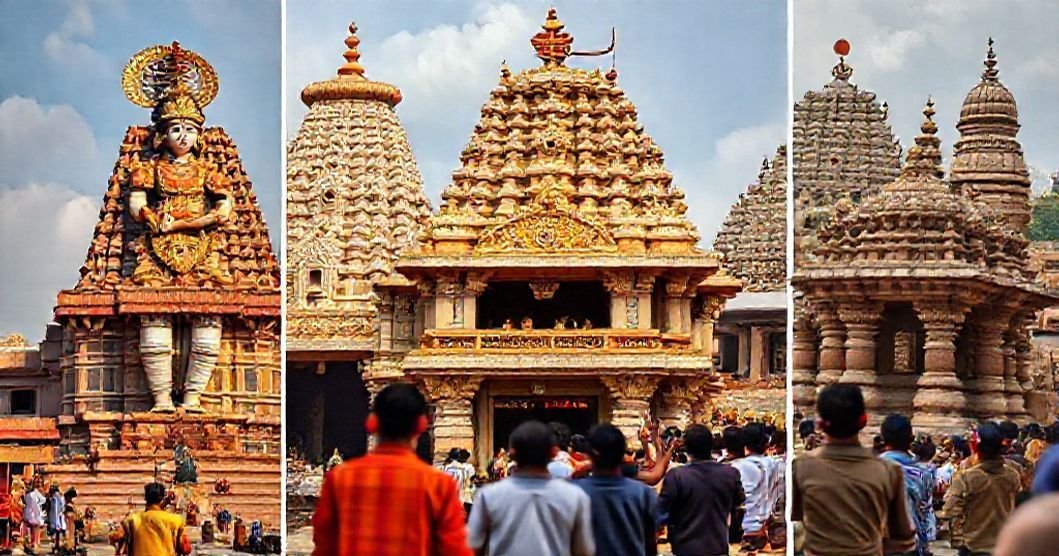
Famous Hanuman Temples In South India – Essential Guide To Sacred Shrines
Famous Hanuman Temples In South India are among the most spiritually significant pilgrimage sites for devotees of Lord Hanuman (also called Anjaneya or Maruti) across India. From towering idols to ancient rock-cut shrines and riverside temples with deep mythological connections, these temples are revered for their divine power, history, and unique traditions. In this informational guide you’ll discover exact locations, timings, rituals, and tips for planning your visit to these iconic temples dedicated to Lord Hanuman. For official information, visit official government portal.
Why Visit Famous Hanuman Temples In South India
Lord Hanuman symbolizes courage, devotion, strength, and protection in Hindu tradition. Visiting his temples is believed to bless devotees with inner power and remove obstacles in life’s process. The “famous Hanuman temples in South India” offer experiences that go beyond worship—each has a story, unique idol posture, or festival that draws devotees year-round.
For factual temple histories and architectural details, you can reference sources such as Namakkal Anjaneyar Temple on Wikipedia, which documents one of the tallest Hanuman idols in India. Likewise, regional tourism websites like Rameshwaram Tourism’s page on Panchamukhi Hanuman Temple offer specific visitor details.
1. Namakkal Anjaneyar Temple, Tamil Nadu
The Namakkal Anjaneyar Temple in Namakkal, Tamil Nadu features an 18-foot stone idol of Lord Hanuman standing majestically in devotion towards Lord Narasimha. This temple blends Dravidian architectural style with devotional lore and is one of the most iconic “famous Hanuman temples in South India.”
Temple Highlights
| Feature | Details |
|---|---|
| Location | Namakkal, Tamil Nadu |
| Deity | Anjaneyar (Hanuman) |
| Height of Idol | 18 ft (approx) |
| Timings | 6:30 AM – 1:00 PM & 4:30 PM – 9:00 PM |
| Festivals | Panguni Uthiram (Mar–Apr) |
When I visited Namakkal, what surprised me was the serene layout of the temple. Unlike more crowded shrines, the atmosphere here encouraged quiet reflection as devotees circumambulate the sanctum. I personally recommend planning your visit during the Panguni Uthiram festival for a vibrant cultural experience.
Best Practices
- Arrive early morning to avoid midday crowds.
- Wear traditional attire for temple respect.
- Keep temple etiquette—no footwear inside sanctum.
Common Mistakes To Avoid
Some visitors assume all South Indian temples allow photography; this one restricts cameras inside the central shrine. Always check notice boards at the entrance.
2. Panchamukhi Hanuman Temple, Rameswaram, Tamil Nadu
The Panchamukhi Hanuman Temple in Rameswaram is famous for its rare five-faced depiction of Lord Hanuman, symbolizing protection from all directions. Located near the Ramanathaswamy Temple complex, it stands as one of the most visited Hanuman shrines in Tamil Nadu.
Temple Details
| Feature | Details |
|---|---|
| Location | Rameswaram, Tamil Nadu |
| Deity | Panchamukhi Hanuman (Five Faces) |
| Entry Fee | Free |
| Best Time To Visit | Sept–Mar |
When I visited Rameswaram, I noticed how devotees often combine this temple with a broader Ramayana pilgrimage because of its proximity to the sacred Ramanathaswamy Temple. The calm sea breeze and orange flags make the approach feel like a ritual in itself.
Tips For Visitors
- Visit at sunset to enjoy the spiritual ambience with fewer crowds.
- Combine this trip with nearby Agni Theertham on the beach.
- Wear comfortable shoes for walking between shrines.
Errors To Avoid
Avoid arriving at midday in summer months (Apr–Jun) when heat can make the approach uncomfortable.
3. Anjaneya Swamy Temple, Puttaparthi, Andhra Pradesh
Dedicated to Lord Hanuman, the Anjaneya Swamy Temple in Puttaparthi is set atop a gentle hill with panoramic views of the town. It stands as a peaceful retreat for devotees and travelers alike.
Visitor Information
| Feature | Details |
|---|---|
| Location | Puttaparthi, Andhra Pradesh |
| Deity | Anjaneya Swamy |
| Suggested Visit Duration | 1–2 hours |
When I visited this temple, the quiet lanes leading up to the shrine felt introspective. You’ll see devotees often sitting in meditation near the hilltop backyard, absorbing the serenity.
Best Practices
- Wear light, respectful clothing.
- Carry water for the hill walk.
- Visit early or late to avoid the sun at peak hours.
What Not To Do
Don’t underestimate the hill’s incline; treat it as a light hike and pace yourself.
4. Karmanghat Hanuman Temple, Hyderabad, Telangana
The Karmanghat Hanuman Temple in Hyderabad is one of the oldest and most beloved Hanuman temples in South India, drawing devotees throughout the year. Entry is free to all visitors.
Temple Timings
| Day | Open Hours |
|---|---|
| Regular Days | 6:00 AM – 12:00 PM & 4:30 PM – 8:30 PM |
| Tuesdays & Saturdays | 5:30 AM – 1:00 PM & 4:30 PM – 9:00 PM |
This temple’s energy is palpable, especially on Tuesdays and Saturdays, which are traditionally special for Hanuman worship. I recommend timing your visit for a Tuesday evening—devotional chants and gatherings amplify the experience.
Visitor Tips
- Arrive before 6:30 AM if you want a quiet darshan.
- Tuesdays and Saturdays see larger crowds—plan accordingly.
- Prepare for some walking; the temple complex has several ancillary shrines.
What To Avoid
Do not leave valuables unattended during peak hours; crowds can get dense around festival times.
5. Beechupally Hanuman Temple, Telangana
Set on the banks of the Krishna River, Beechupally Hanuman Temple is known for its spiritual setting and riverside rituals. It’s a popular stop for pilgrims performing obsequies rites as well.
Essential Info
| Feature | Details |
|---|---|
| Location | Beechupally, Telangana |
| Deity | Hanuman (Anjaneya Swamy) |
| Nearby River | Krishna River |
What surprised me the most here was the blend of pilgrimage and local life—the temple attracts families performing final rites, creating a unique devotional atmosphere unlike more tourist-oriented sites.
Visitor Recommendations
- Bring modest clothing due to riverside rituals.
- Plan for cooler hours of the day; afternoons can be very hot.
Avoid These Mistakes
A common mistake is assuming all Beechupally temples operate at fixed times; weather or river events can alter access. Call ahead if possible.
6. Yantrodharaka Hanuman Temple, Hampi, Karnataka
In Hampi, the famed Yantrodharaka Hanuman Temple houses a rare seated Hanuman idol within a mystical yantra frame. Recognized for its Vijayanagara-era architecture, it remains one of the classic historical “famous Hanuman temples in South India.”
What Makes It Special
- Hanuman seated in Padmasana (lotus posture).
- Centered inside a sacred yantra symbolizing spiritual energy.
- Linked to centuries-old local traditions.
Visiting Hampi is like stepping back into time. Stones echo with history, and the temple’s calm contrasts the surrounding ruins. I personally recommend joining a guided heritage walk to appreciate the context fully.
Best Practices
- Wear sturdy shoes for uneven terrain.
- Hire a local guide for historical insight.
What To Avoid
Avoid midday visits in summer; the Hampi heat can be intense.
Planning Your Pilgrimage
If you’re planning a temple tour focusing on the “famous Hanuman temples in South India,” here’s a practical step-by-step itinerary suggestion:
- Choose Your Route: Decide whether you’ll focus on one state (Tamil Nadu, Telangana, Andhra) or a multi-state process.
- Check Timings & Festivals: Many temples adjust timings for festivals—call ahead or check official tourism sites.
- Pack Essentials: Water, sun protection, modest attire, and a temple etiquette guide.
- Book Accommodation Early: Especially during Hanuman Jayanti or Panguni Uthiram.
- Local Transport: Use reliable transport between sites; many temple towns have limited public transit.
Common Mistakes To Avoid On Temple Visits
- Assuming all temples allow photography—ask before taking pictures.
- Not respecting local dress codes—some shrines require traditional attire.
- Ignoring lunches/fasting times—many temples close midday for rituals.
- Over-planning too many temples in one day—allow at least 2–3 hours per major temple.
FAQ About Famous Hanuman Temples In South India
Which Is The Tallest Hanuman Idol In South India?
The Namakkal Anjaneyar Temple features one of the tallest Hanuman idols at approximately 18 feet.
Are These Temples Open All Year?
Most temples are open year-round but may adjust hours for festivals or monsoon weather. Always check local tourism websites or call temple offices before visiting.
Is There An Entry Fee At These Temples?
Many Hanuman temples in South India do not charge an entry fee (e.g., Panchamukhi Hanuman Temple). Some may ask for voluntary donations, but official entry fees are rare.
What Is The Best Time To Visit South Indian Hanuman Temples?
October–March is ideal for most regions due to milder weather, though festival seasons like Hanuman Jayanti see large crowds and special rituals.
Can I Visit These Temples With Family?
Yes—these temples are family-friendly, but do prepare for crowds during peak festival days.


+ There are no comments
Add yours