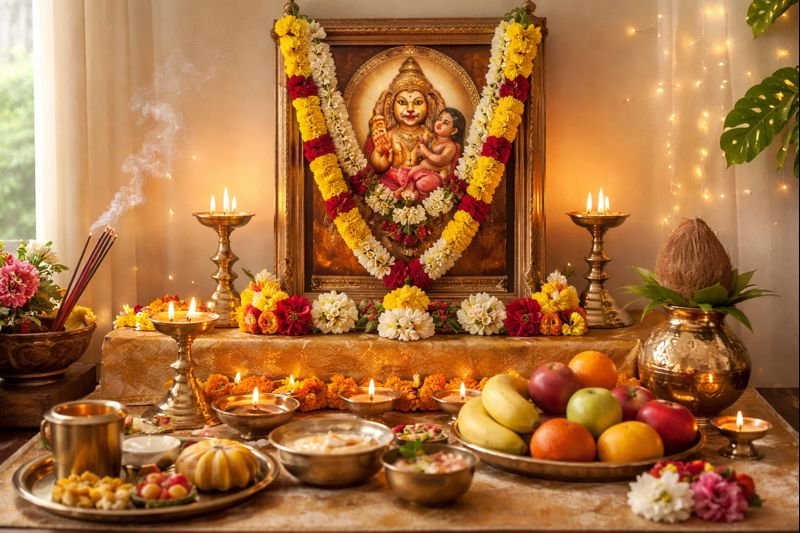
Celebrate Narasimha Jayanti Home With Best Rituals And Meaning
Celebrate Narasimha Jayanti Home can be a deeply spiritual and joyous experience when you honor the appearance of Lord Narasimha with devotion, ritual purity, and proper tradition. Narasimha Jayanti commemorates the divine incarnation of Lord Vishnu as Narasimha — half-man and half-lion — who appeared to protect his devotee Prahlada and destroy the tyrant Hiranyakashipu.
What Is Narasimha Jayanti And Why It Matters
Narasimha Jayanti is observed on the **14th day (Chaturdashi) of the bright half (Shukla Paksha) of the Hindu month of Vaishakha**, usually falling in April or May in the Gregorian calendar.
The festival celebrates the victory of good over evil, protection of the faithful, and spiritual resilience. The story of Lord Narasimha emerging from a pillar to protect Prahlada is a central part of the **Bhagavata Purana** and is a powerful symbol of divine protection and courage. Understanding Celebrate Narasimha Jayanti Home is essential.
Moreover, devotees seek blessings for strength, courage, and the removal of obstacles in life. Celebrating Narasimha Jayanti at home makes the observance accessible to everyone, whether you live near a temple or far away.
When To Celebrate Narasimha Jayanti
In 2026, Narasimha Jayanti is observed on **April 30, 2026** (Vaishakh Shukla Chaturdashi). This date is based on traditional lunar calendars and panchangam (Hindu astronomical calculations).
On the other hand, the most auspicious time for Narasimha Jayanti puja at home is usually around **Sandhya (evening) time**, when Lord Narasimha is believed to have appeared to protect Prahlada. This relates to Celebrate Narasimha Jayanti Home.
Preparation To Celebrate Narasimha Jayanti At Home
1. Clean Your Home And Puja Area
Before the festival day dawns, clean and organize your home. Purification of space is considered essential for spiritual observances. Start with sweeping floors, wiping surfaces, and arranging a clean puja altar. Make sure your *mandir* (prayer room) has adequate space for an **image or idol of Lord Narasimha**.
2. Set Up The Puja Altar
Place an image or small idol of Lord Narasimha on a clean platform or table. Decorate with:
- Fresh flowers (especially red or orange marigolds)
- Oil or ghee lamps
- Tulsi leaves (holy basil)
- Incense sticks
- A clean cloth to cover the altar
This creates a sacred space for your devotion and aligns your mind with the festival’s spiritual purpose. Learn more about Celebrate Narasimha Jayanti Home.
3. Gather Puja Items
Some common puja items include:
| Item | Purpose |
|---|---|
| Milk, honey, curd, ghee, sugar | Used for Panchamrita Abhisheka (ritual bathing of deity) |
| Fresh fruits | Naivedya (food offering) |
| Flowers and Tulsi leaves | Offerings symbolizing devotion |
| Camphor and incense | Purification and fragrance |
| Diyas (lamps) | Light dispelling darkness and ignorance |
Make sure all items are prepared before the puja begins to maintain focus and flow.
Step-By-Step Ritual To Celebrate Narasimha Jayanti Home
1. Wake Up And Take Purifying Bath
Begin your day by waking up before sunrise. Take a bath with clean water to purify your body and mind. According to tradition, this prepares your consciousness for worship.
2. Dress In Clean, Auspicious Clothes
Wear fresh clothes, preferably in traditional or light colors. Yellow garments are considered lucky for Vishnu worship. Changing into fresh attire symbolizes leaving behind worldly distractions.
3. Light Lamps And Incense
Light a ghee or oil lamp near the Narasimha image. The lamp should ideally remain lit throughout the day. Burn incense sticks to purify the atmosphere and symbolize spiritual awakening.
4. Perform Abhisheka (Ritual Bathing)
Pour sacred ingredients such as water, milk, honey, curd, ghee, and sugar over the deity’s idol or image. This ritual, called **Panchamrita Abhisheka**, purifies and energizes the divine form.
5. Recite Sacred Mantras And Prayers
Recitation is central to the worship. Chant the **Narasimha Kavacham**, **Vishnu Sahasranama**, or any Narasimha Stotra with dedication. These chants invoke divine strength and protection.
Furthermore, tip: If you’re unsure of the exact mantras, refer to hymn books or audio recordings from trusted sources such as ISKCON chant collections or temple guides.
6. Offer Naivedya And Prasad
Prepare *naivedya* by offering fruits, sweets, and traditional dishes like **panchamrit, payasam (kheer), and other vegetarian foods** to Lord Narasimha. Later, distribute this blessed prasad among family members to receive divine grace.
7. Fasting (Optional But Traditional)
Many devotees observe a **fast on Narasimha Jayanti**, abstaining from grains and meat. Some may follow a *nirjala* fast (water-only), while others take fruit and milk. Fasting is believed to deepen spiritual connection and discipline.
Best Practices To Celebrate Narasimha Jayanti Home
- Start before sunrise and dedicate uninterrupted time to prayer.
- Create a peaceful atmosphere — silence phones, dim mundane distractions, and focus on devotion.
- Include family members — children can help decorate or offer flowers.
- Keep a devotional playlist with hymns or Narasimha chants to maintain ambience.
- Read or narrate the **Prahlada Charitra** to reinforce the deeper meaning of the festival.
Common Mistakes To Avoid
- Avoid interrupting the puja once started — prepare all items beforehand.
- Do not rush the mantras — chanted with understanding and respect.
- Avoid loud noise or secular entertainment during puja time.
- Do not skip offerings — flowers, fruits, and naivedya symbolize gratitude.
- Never neglect the cleansing bath before worship — it is traditional for purity.
My Personal Insights From Celebrating At Home
When I visited the **Varaha Lakshmi Narasimha temple in Simhachalam**, I was struck by the energy and devotion of devotees chanting into the evening.
Therefore, celebrating at home brought that same sense of peace, but with personal reflection and an intimate connection with the deity. What surprised me was how organizing the altar and rhythm of rituals transformed ordinary space into sacred silence.
Also, i personally recommend planning the puja timetable in advance and assigning small tasks to family members — this builds enthusiasm and helps sustain focus throughout the day.
Frequently Asked Questions
What Is The Significance Of Narasimha Jayanti?
Narasimha Jayanti marks the day Lord Vishnu appeared as Narasimha to protect his devotee Prahlada and destroy the tyrant Hiranyakashipu, symbolizing the victory of dharma over adharma.
Can Anyone Celebrate Narasimha Jayanti At Home?
Yes — you can celebrate at home with proper rituals, mantras, and devotion. A small altar, clean space, and correct items make home worship meaningful.
Do I Need An Idol To Perform The Puja?
An idol or image enhances focus, but if unavailable, a picture of Lord Narasimha acts as the center of devotion.
Is Fasting Necessary?
Fasting is traditional but optional. Even if you choose not to fast fully, maintaining a vegetarian and sattvic diet honors the spirit of the festival.
What Time Should I Perform The Puja?
The puja is best performed during *Sandhya* (evening), symbolizing the moment Lord Narasimha appeared. Checking a reliable *panchang* for timing in your area is recommended.
For traditions and formal temple information on Narasimha Jayanti, you may refer to the Wikipedia article on Narasimha Jayanti and the Radhakrishna Temple Puja Guide.


Lord Narasimha Bless You.
Hello, Thanks for your feedbaxk.