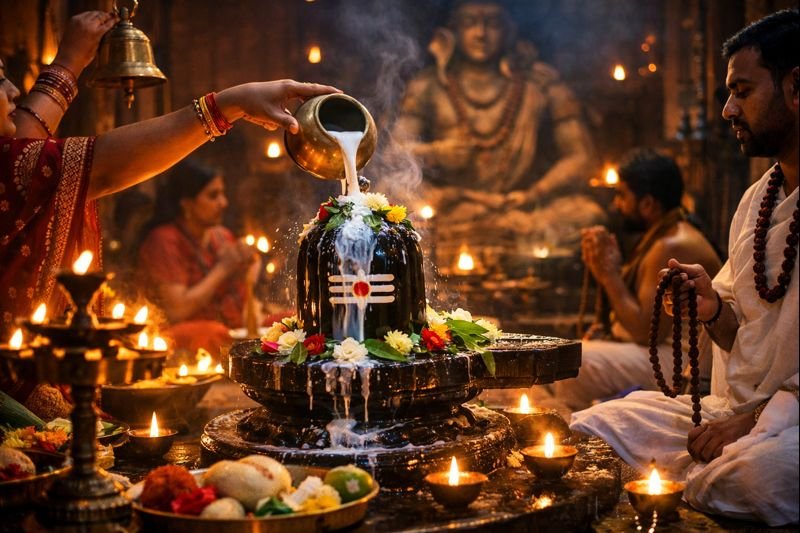
Maha Sivaratri Pooja Vidhi: Best Rituals And Step-By-Step Instructions
Maha Sivaratri Pooja Vidhi is a sacred set of rituals observed by devotees of Lord Shiva. It outlines how to worship, meditate, fast, and perform the night-long puja with devotion. This day holds deep spiritual meaning and has precise practices followers observe to honor Lord Shiva and seek his blessings. Maha Shivaratri is a major festival in Hinduism celebrated on the Phalguna Krishna Chaturdashi (usually in February or March).
What Is Maha Sivaratri And Its Importance
Maha Sivaratri celebrates Lord Shiva’s divine presence, his cosmic dance (Tandava), and his marriage to Goddess Parvati. The festival symbolizes overcoming darkness and ignorance in life.
However, devotees believe performing the proper Maha Sivaratri Pooja Vidhi brings spiritual peace, inner growth, and blessings for prosperity and well-being. The night is considered highly auspicious for meditation and chanting mantras.
Preparations Before Starting Maha Sivaratri Pooja Vidhi
1. Cleanse And Purify
Wake up early on Maha Sivaratri day and take a ritual bath. Traditionally, devotees bathe in sacred rivers like Ganga, if accessible.
Wear freshly washed clothes. Clean the pooja area where you’ll set up the shrine—this symbolizes purity of body and mind.
2. Collect Puja Materials
Prepare all necessary items before the puja begins. Below is a typical list:
| Item | Purpose |
|---|---|
| Shivling or Shiva Idol | Central focus of worship |
| Gangajal / Water | Purification and Abhishekam |
| Milk, Curd, Honey, Ghee | Abhishekam offerings |
| Bilva (Bel) leaves | Special offering to Shiva |
| Fruits and Flowers | Naivedyam offerings |
| Incense, Lamps | Light and fragrance offerings |
| Rudraksha & Mantra Mala | Chanting and meditation |
Step-By-Step Maha Sivaratri Pooja Vidhi
1. Sankalp (Puja Vow)
Begin with a sankalp to declare your intent and dedication. Face east or north and touch water while mentally reciting your vow to perform the puja with devotion and discipline.
2. Dhyana And Invocation
Meditate for a few minutes to calm your mind. Chant the powerful mantra “Om Namah Shivaya.” This invocation invites Lord Shiva into your puja space.
Many devotees also chant the Maha Mrityunjaya mantra for peace and health.
3. Abhishekam (Holy Bath Of Shiva Lingam)
The core of Maha Sivaratri Pooja Vidhi is the Abhishekam. It involves offering various substances on the Shiva Lingam:
- Start with clean water or Gangajal to purify the lingam.
- Continue with milk, yogurt, honey, and ghee while chanting mantras.
- Some traditions perform Abhishekam in four phases (water, curd, ghee, honey).
The Abhishekam is believed to please Lord Shiva and cool his fiery energy.
4. Offering Bilva Leaves (Bel Patra)
Bilva leaves are especially dear to Shiva. Place them gently on the Shivling while chanting “Om Namah Shivaya.”
However, devotees often write sacred symbols on the leaves using turmeric before offering. This adds deeper symbolic meaning.
5. Naivedyam (Offerings)
Offer fresh fruits, sweets, and other favorite items of Shiva without onion or garlic. This act expresses gratitude.
6. Light And Incense
Light diyas (lamps) and incense sticks near the Shiva Lingam. This honors the deity with light and pleasing fragrance.
7. Chanting And Meditation
Spend time chanting “Om Namah Shivaya,” Rudram, or Shiva Chalisa. Maintain a focused mind. Meditate between chanting sessions to absorb divine energy.
8. Aarti And Conclusion
Perform Aarti with a lit camphor or lamp circled gently in front of the deity while singing or playing Shiva bhajans.
Also, conclude your Maha Sivaratri Pooja Vidhi by thanking Lord Shiva and mentally praying for universal peace and personal well-being.
Fasting And Night Vigil (Jagaran)
Fasting is an integral part of Maha Shivaratri. Many devotees observe a strict fast (nirjala) or take only fruits, milk, and water until the puja is complete the next day.
Also, staying awake all night and performing prayers, chants, or meditation is called jagaran. This is believed to multiply spiritual merit and reflect inner devotion.
Tips And Best Practices For Maha Sivaratri Pooja Vidhi
- Start Early: Begin preparations well before sunset to avoid last-minute rush.
- Focus On Devotion: Quiet your mind and focus on the meaning behind the rituals, not just the acts.
- Cleanliness: Clean yourself and the puja area thoroughly. Cleanliness enhances spiritual focus.
- Use Fresh Offerings: Fresh fruits, flowers, and leaves show sincerity and respect.
- Invite Family Participation: Group chanting and family involvement deepen the spiritual experience.
Common Mistakes To Avoid
- Avoid rushing through steps—take time to chant and meditate.
- Do not use stale or wilted flowers in offerings.
- Avoid distractions like mobile phones during puja time.
- Don’t skip the night vigil—remaining awake with devotion is an important part of the tradition.
- Avoid non-vegetarian food before and after the puja if you observe a vrat (fast).
FAQs About Maha Sivaratri Pooja Vidhi
Q: Can Maha Sivaratri Pooja Vidhi be done at home?
A: Yes, you can perform the entire ritual at home. Devotees set up a Shivling or image of Shiva and follow the steps with devotion.
Q: What mantras are important for Maha Sivaratri?
A: “Om Namah Shivaya” and Maha Mrityunjaya mantra are commonly chanted. Some families also chant Rudram or Shiva Chalisa.
Q: Is fasting mandatory?
A: Not mandatory for everyone, but it is highly recommended. You can fast partially or completely depending on your capability.
Q: When should I break my fast?
A: Many break their fast after sunrise the next day once the puja and jagaran are complete.


+ There are no comments
Add yours