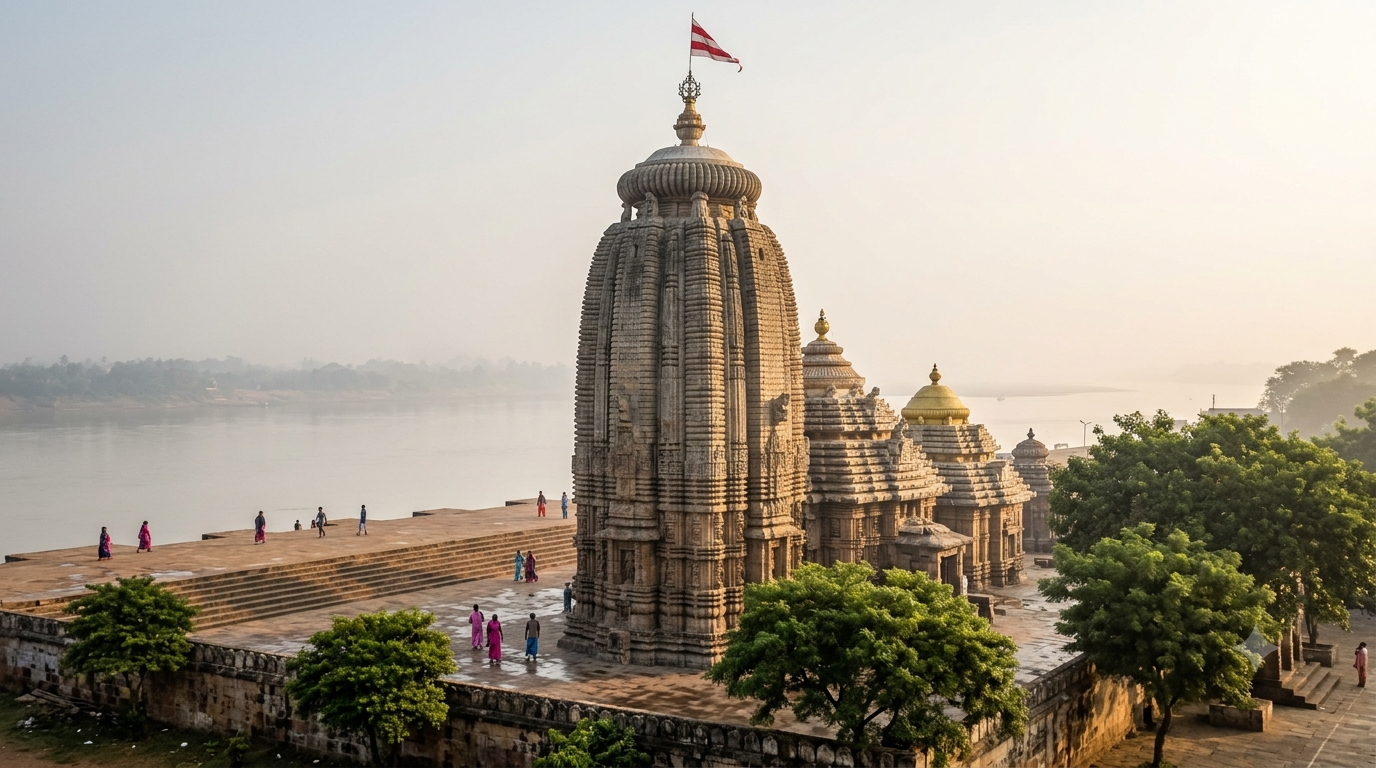
The Lord Krishna heart story is the belief that Krishna’s heart still lives inside the wooden idol of Lord Jagannath at Puri, sealed in a mysterious object called the Brahma Padartha. Millions of devotees hold this faith dear, yet most online retellings mix genuine temple tradition with sensational myths. This guide separates the two clearly. You will get the full legend, the documented ritual behind it, and a plain list of the viral claims that simply do not hold up.
The Lord Krishna Heart Story at a Glance
- The belief: a part of Lord Krishna, called the Brahma Padartha, rests inside the Jagannath idol.
- Where: Shree Jagannath Temple, Puri, Odisha, one of the four Char Dham shrines.
- The object: Brahma Padartha or Daru Brahma, the “life-substance” nobody ever sees.
- The ritual: Nabakalebara, when new idols replace the old and priests transfer the substance.
- Status: a matter of faith and tradition, not scientific fact.
- Last Nabakalebara: 2015; the next falls around 2034-2035, set by the lunar calendar.
What Is the Lord Krishna Heart Story?
The Lord Krishna heart story says that when Krishna’s body burned on the pyre, his heart refused to catch fire, and that priests later placed this living relic inside the Jagannath idol at Puri. Devotees call the hidden relic the Brahma Padartha. Because the idol shelters it, people also know the deity as Daru Brahma, the supreme spirit in wood.
This is a devotional tradition, so treat it as faith rather than proven history. Still, the belief shapes some very real temple practices, and that is where the story turns fascinating. The temple never displays the relic, never photographs it, and never lets anyone describe it.
How the Lord Krishna Heart Story Unfolds
The most quoted version comes from Sarala Dasa, the Odia poet who wrote his Mahabharata in the 15th century. In his telling, a hunter named Jara mistakes Krishna’s foot for a deer and shoots an arrow, ending Krishna’s earthly life. When Arjuna later tries to cremate the body, one part will not burn.
A heavenly voice then tells him to tie that part to a log and float it out to sea. The log drifts for ages, so it travels from the western coast near Dwarka all the way to Puri in the east. King Indradyumna, the ruler of the region, sees the log in a dream and rushes to the shore.
Because the king cannot carve it himself, Lord Vishwakarma arrives disguised as an aged craftsman. He agrees to shape the idols only if nobody disturbs him. When the chamber opens too early, the figures still stand unfinished, which explains why the Jagannath idols keep their distinctive armless, large-eyed form even today.
The Nila Madhava Thread
Another strand ties the idol to Nila Madhava, a blue deity that a tribal chief named Vishwavasu once worshipped. King Indradyumna sends a Brahmin, Vidyapati, to find this hidden god. After Nila Madhava vanishes from sight, the divine command shifts the worship to the wooden form on Puri’s shore. So the tribal roots and the Krishna legend braid together inside the Lord Krishna heart story.
What Exactly Is the Brahma Padartha?
The Brahma Padartha, also called Daru Brahma, is the sacred “life-substance” that devotees believe sits inside each Jagannath idol near the navel. Temple tradition treats it as the eternal core of the deity, while the wooden body around it stays mortal and needs renewal. No servitor has ever seen or felt it, because the rules forbid it.
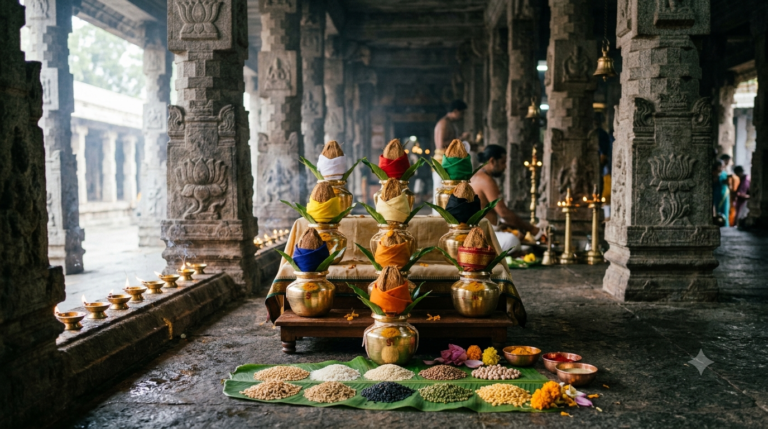
During the great Nabakalebara ritual, this substance moves from the old idol to the new one. The priests wrap it in fresh tulsi leaves, then seal it inside the new body. Devotees say the old tulsi leaves come out as fragrant as the day they went in, though no outsider can confirm this.
Is the Lord Krishna Heart Story True?
No scientific proof shows a beating heart inside the Jagannath idol, so the Lord Krishna heart story stands as a sacred belief rather than a verified fact. No one has ever opened, tested, or examined the Brahma Padartha. Honest devotion does not need pseudo-science, and the temple itself makes no laboratory claims.
Faith and evidence answer different questions here. The legend carries deep spiritual meaning for the Jagannath tradition, while science simply has nothing to measure, since nobody studies the relic. Anyone who tells you the heartbeat is “scientifically confirmed” repeats a rumour rather than reports a finding.
Viral Myths the Lord Krishna Heart Story Picks Up
Because the tale spreads fast on social media, it collects exaggerations that the temple never endorsed. Sorting fact from fiction is the most useful thing any guide can do. The table below lines up the popular claims against what we actually know.
| Viral claim | What we actually know |
|---|---|
| The heart generates electricity and can electrocute you | Folklore with no basis; the temple makes no such claim |
| The idol uses wood because wood is a poor conductor | Wood follows ancient Daru Brahma and tribal tree-worship tradition |
| All of Puri goes dark because the relic emits light | The secrecy and lights-off protect ritual privacy, not radiation |
| Anyone who sees the relic dies instantly | A traditional belief, never a recorded or tested event |
| Science has proven the heart still beats | No study, scan, or test has ever happened |
| The idols change exactly every 12 years | The gap runs 8, 11, 12, or 19 years, set by the lunar calendar |
Notice the pattern: each myth bolts a modern, science-flavoured reason onto a quiet ritual. The ritual is real, yet the flashy explanation is pure invention. When you strip away the inventions, the genuine tradition still feels remarkable.
Nabakalebara, When the Lord Changes His Body
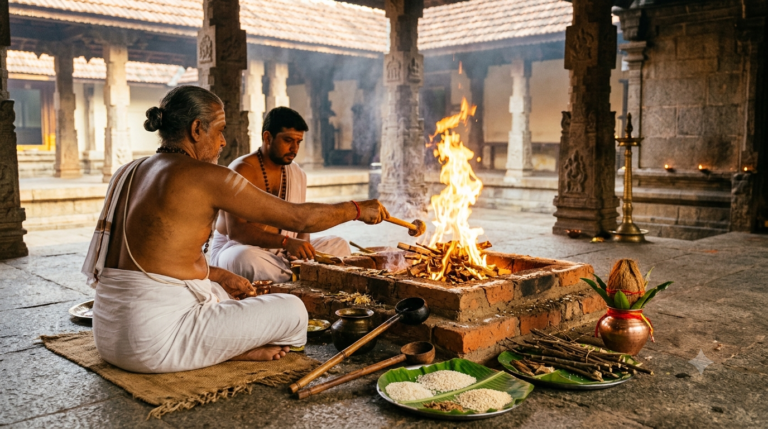
Nabakalebara means “new body,” and it marks the rare ceremony when priests replace the worn wooden idols and move the Brahma Padartha to the new ones. It happens only in a year that carries two Ashadha months in the Hindu lunar calendar. This double month, called Adhika Masa, does not arrive on a fixed clock.
Because the timing follows the moon, the interval is not “every 12 years” as so many posts claim. The Shree Jagannath Temple Administration lists gaps of 8, 11, 12, and 19 years. The last Nabakalebara took place in 2015, after a long 19-year wait since 1996.
Nabakalebara Timeline (20th-21st Century)
| Year | Gap from previous |
|---|---|
| 1950 | 19 years |
| 1969 | 19 years |
| 1977 | 8 years |
| 1996 | 19 years |
| 2015 | 19 years |
| ~2034-2035 (expected) | Set by lunar calendar |
During the transfer, the temple clears almost everyone out at midnight. A chosen Daitapati servitor, blindfolded and with his hands wrapped in cloth, lifts the substance from the old idol and settles it into the new one. So he never sees or feels what he carries, which keeps the mystery intact.
Why the Jagannath Idol Uses Wood
Most Hindu idols use stone or metal, yet artisans carve the Jagannath deities from neem wood, and the real reason is tradition, not physics. The form descends from Daru Brahma, the worship of the divine in a sacred tree. Tribal communities of the region once revered tree trunks as living gods, and that root survives in the temple.
The neem logs, called daru, must carry special signs before priests accept them. A suitable tree shows marks resembling a conch, a discus, and other symbols. Because wood ages, priests renew the idols at Nabakalebara, which is exactly why the ritual exists. The “poor conductor of electricity” story arrived much later as pure invention.
The Lord Krishna Heart Story in Real Temple History
Beyond the myths, the Lord Krishna heart story carries one genuinely documented chapter. In the 16th century, the Bengal Sultanate general Kalapahad attacked Puri and tried to burn the Jagannath idol. According to temple records, the core relic survived the fire.
A devotee named Bisara Mohanty then rescued the Brahma Padartha and carried it secretly inside a drum to his village. Years later, Gajapati Ramachandra Deva recovered it and installed new idols, which revived worship at Puri. Historians link this period to the first well-organised Nabakalebara around 1575.
King Anantavarman Chodaganga Deva began the present temple in the 12th century, and his successors finished it the following century. It rises about 214 feet over Puri and remains one of the four Char Dham pilgrimage centres. So the building rests on solid history, even where the relic stays a mystery.
Visiting Puri Behind the Lord Krishna Heart Story
If the legend draws you to Puri, the temple welcomes Hindu devotees for free darshan through the day, with a short midday break. The temple strictly bans photography inside, and the inner shrine does not admit non-Hindus. A simple dress code applies, so men wear formal shirts and trousers while women wear a saree or salwar kameez. For planning, Odisha Tourism shares helpful travel details.
The practical pages on this site also help you prepare. You can check the Puri Jagannath Temple timings and history guide before you travel. Devotees timing a trip around the chariot festival can read about the Gundicha Temple route during Rath Yatra. For another temple legend, see the Peddamma Talli Temple coin story and its meaning.
Where the Lord Krishna Heart Story Goes Wrong Online
Having read dozens of versions, a few errors repeat endlessly, and spotting them marks a careful reader. First, many writers state the heart “beats” as if someone measured it, when no one has ever recorded it. Second, they fix the idol change at twelve years, while the temple’s own calendar disagrees.
Third, some claim the relic is “5,000 years old in original form,” yet nobody has examined it to confirm any age. The honest position stays simple. The ritual secrecy is real, the devotion is real, and the supernatural details remain beliefs that each devotee may hold freely.
The Bigger Lesson of the Legend
Temple elders often say the Lord Krishna heart story really speaks about impermanence. The wooden body decays and gives way to a new one, while the inner essence continues. So the renewal of the idol mirrors the Gita’s teaching that the soul outlives the body. Read that way, the legend offers wisdom whether or not you accept the literal heart.
Before You Go
The Lord Krishna heart story blends a moving Vaishnava legend, a genuinely secret ritual, and a thick layer of internet myth. Hold the faith with respect, because it means a great deal to millions of devotees. At the same time, set aside the electricity tales and the “proven heartbeat” claims, since the temple never made them. If you want to feel the tradition yourself, plan a darshan at Puri and check current timings on the official temple website before you set out.
Frequently Asked Questions
Is Lord Krishna’s heart really inside the Jagannath idol?
It remains a sacred belief, not a proven fact. Devotees hold that the Brahma Padartha inside the idol is a part of Krishna, yet no one has ever examined or tested it. The tradition treats it as the eternal essence of the deity.
What is the Brahma Padartha?
The Brahma Padartha, or Daru Brahma, is the secret “life-substance” that devotees believe rests inside each Jagannath idol. Priests wrap it in tulsi leaves and transfer it to new idols during the Nabakalebara ritual. No servitor may see or feel it.
Does the heart inside the idol really beat or give electric shocks?
No. The beating-heart and electric-shock stories are folklore that spread online, and the temple makes no such claim. No scientific study supports them. The idol uses wood for traditional reasons, not because of electricity.
How often do the Jagannath idols change?
Not on a fixed twelve-year clock, as many sites say. The change happens during Nabakalebara, in a year with two Ashadha months, which falls at gaps of 8, 11, 12, or 19 years. The last one happened in 2015.
When is the next Nabakalebara?
The next Nabakalebara falls around 2034-2035, though the exact year depends on the lunar calendar’s double-Ashadha month. The Shree Jagannath Temple Administration confirms the date closer to the event. Always check official announcements for the final year.
Why does the Jagannath idol use wood and such an unusual shape?
The wooden form comes from the ancient Daru Brahma tradition of worshipping the divine in a sacred tree. The large eyes and armless look trace back to the legend of Vishwakarma’s interrupted carving. Both reasons rest in tradition, not science.
Can anyone see the Brahma Padartha?
No one may see it. During the transfer, the priest wears a blindfold and keeps his hands wrapped in cloth. This secrecy feeds the many mysteries that surround the Lord Krishna heart story.
Where did the Lord Krishna heart story originate?
The best-known version comes from Sarala Dasa’s 15th-century Odia Mahabharata, which describes Krishna’s heart refusing to burn. The relic then floats to Puri and enters the idol. Older tribal worship of Nila Madhava also feeds into the story.