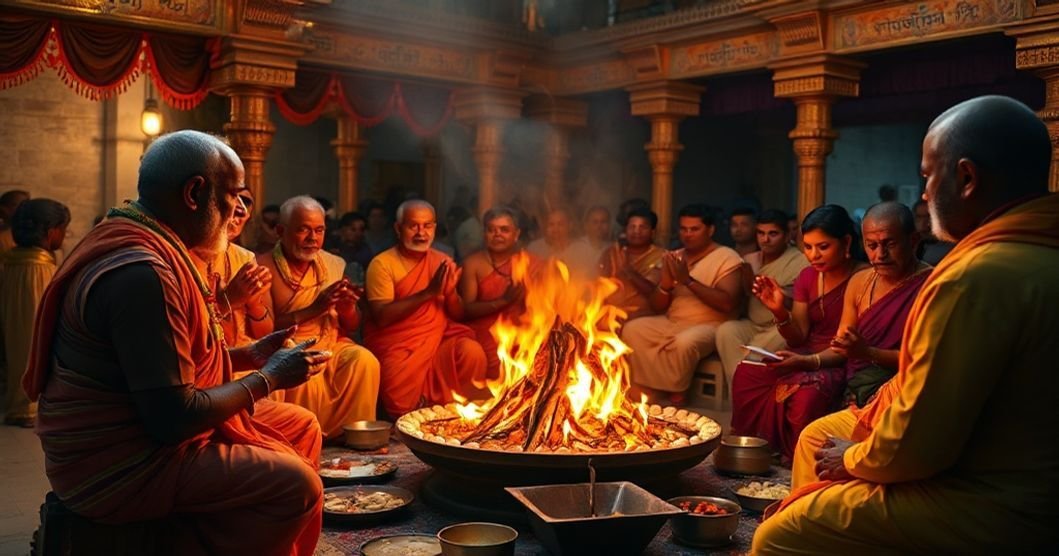
Significance And Procedure Of Chandi Homam: Essential Vedic Ritual Explained
The Significance And Procedure Of Chandi Homam lies in its ancient Vedic roots as a powerful fire ritual dedicated to Goddess Chandi (a form of Goddess Durga), aimed at seeking divine blessings for protection, success, and removal of life’s obstacles. This sacred ceremony involves chanting mantras from the Devi Mahatmya, offerings into the sacred fire (Agni), and deep spiritual participation by both priests and devotees. It is one of the most respected rituals in the Hindu tradition for transforming negative energies and invoking the Mother Goddess’s grace.
The Ancient Significance Of Chandi Homam
Chandi Homam is a fire ceremony rooted in the Vedic and Puranic traditions of Hinduism, primarily focusing on the worship of Goddess Chandi—the fierce and compassionate form of the Divine Mother. It is performed to remove obstacles, purify the environment, and grant courage and strength.
Why Perform Chandi Homam?
This homam symbolizes the destruction of inner and outer adversities and invites spiritual and material blessings into one’s life. It is believed to: Understanding significance and procedure of chandi homam is essential.
- Remove obstacles and negative influences in life.
- Provide protection from adversaries and harmful energies.
- Bestow health, prosperity, and mental peace.
- Help overcome spiritual blockages and fear.
- Encourage spiritual growth and divine connection.
Scriptural Roots
The ritual draws its essence from the Devi Mahatmya (also called Durga Saptashati), part of the Markandeya Purana, where Goddess Chandi is celebrated for triumphing over demonic forces. Reciting these powerful verses during homam enhances devotion and invokes her divine strength.
Detailed Procedure Of Chandi Homam
Performing the Chandi Homam requires trained priests (pandits) steeped in Vedic practice and Sanskrit pronunciation, as the ritual’s precision determines its potency.
1. Purification Of The Site
The ritual space is purified using sacred water (punyahavachanam), sprinkled with mango leaves and mantras recited to cleanse the environment of impurities before beginning the homam. This relates to significance and procedure of chandi homam.
2. Kalasa Sthaapana (Sacred Pot Setup)
A metal pot (kalasa) filled with water and adorned with mango leaves symbolizes the presence of divinity; prayers are offered to invite Goddess Chandi’s blessings.
3. Agni Pratishthapana (Fire Invocation)
The fire altar (homa kundam) is prepared, and Agni—the fire god—is invoked. Ghee, camphor, grains, herbs, and other offerings are placed into the fire as mantras are chanted.
4. Saptashati Path (Chanting of 700 Verses)
Priests chant all 700 verses from Durga Saptashati, honoring different aspects of the Divine Feminine. Each portion of the recitation corresponds to specific benefits and layers of devotion. Learn more about significance and procedure of chandi homam.
5. Offerings And Prayers
Offerings (naivedyam) such as fruits, flowers, and ghee are offered into the fire with ritualistic chants of “Svaha.” The priest invokes divine energies for the devotee’s intentions.
6. Aarti And Conclusion
The ritual concludes with lighting camphor and performing Aarti to honor Goddess Chandi, followed by distribution of prasadam to participants.
Items Typically Used In Chandi Homam
Here’s a sample of items commonly prepared for Chandi Homam:
| Item | Purpose |
|---|---|
| Kalasa | Sacred water vessel for invoking deity |
| Ghee | Primary offering into fire |
| Camphor | Purification and Aarti |
| Fruits & Flowers | Naivedyam offerings |
| Sandalwood & Incense | Fragrance and sanctity |
This list can vary by tradition and temple setting.
When To Perform Chandi Homam
Auspicious timings improve the effects of the ritual. Devotees often choose:
- Navaratri (the nine nights celebrating Goddess Durga).
- Ashtami, Navami, and full moon or new moon days.
- Personal significant days (e.g., birthdays or milestone events).
Tips And Best Practices
- Wear clean traditional clothes and take a head bath before participating.
- Maintain a vegetarian, sattvic diet in the days leading up to the homam.
- Participate with devotion and a clear intention.
- Choose experienced priests familiar with Durga Saptashati recitation.
Common Mistakes To Avoid
- Performing the ritual without proper guidance—this homam requires precise mantra pronunciation and fire management.
- Rushing the ritual; allow sufficient time for Saptashati chanting.
- Neglecting fasting or purity practices before the ceremony.
- Using incorrect or incomplete homa materials.
Frequently Asked Questions (FAQs)
Q: Who should perform Chandi Homam?
Anyone facing obstacles, health issues, challenges in career or personal life, or seeking spiritual growth can benefit from this ritual. It is especially recommended for those with intense doshas or negative influences.
Q: Is Chandi Homam different from other homams?
Yes. Chandi Homam specifically uses the Durga Saptashati verses (700 slokas) and is deeper in its focus on divine feminine energy compared to many other homam rituals.
Q: Can Chandi Homam be done at home?
Yes, but it is traditionally performed with trained priests to ensure accuracy and spiritual efficacy. Many temples and puja organizers support home ceremonies with experienced pandits.
Q: How long does Chandi Homam take?
Depending on the scale, the ritual can range from a few hours to an entire day if full Saptashati chanting and offerings are included.
Q: What benefits can I expect?
Devotees report peace of mind, improved health, success in ventures, removal of fears, and protection from negativity after participating in Chandi Homam.
When I visited a temple during Navaratri where this homam was performed, I was struck by the dedication of the priests chanting the Durga Saptashati with unwavering devotion. The atmosphere—charged with fire, sound, and spiritual energy—was unforgettable. I personally recommend experiencing this ritual with sincere intent to feel its profound impact.
Chandi Homam remains one of the most significant fire rituals in Hindu worship, offering a blend of spiritual empowerment, divine grace, and inner transformation.


+ There are no comments
Add yours