Significance Importance Of Annaprasanam: Essential Guide To Baby’s First Rice Ceremony
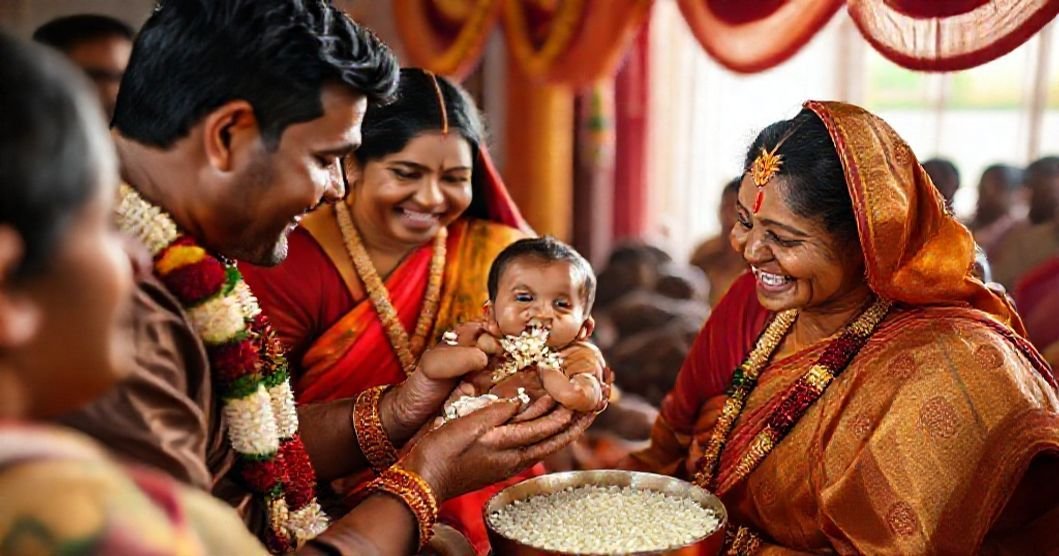
Significance Importance Of Annaprasanam marks the sacred and joyful moment when a baby eats solid food for the first time, generally rice, under Hindu tradition and blessing rituals. This ancient ceremony represents not just a dietary milestone but carries deep cultural, spiritual, and familial meaning dating back to Vedic practices. Wikipedia describes it as a Hindu rite of passage where the infant’s first intake of cooked rice is ceremonially introduced.
What Is Annaprasanam?
Annaprasanam (also spelled Annaprashan) literally means “feeding of cooked rice” or “grain initiation” and is one of the major Hindu samskaras (rites of passage) celebrating the transition of a baby from exclusive milk feeding to solid foods.
This ceremony may occur when the baby is between six and twelve months old, though cultural customs vary — boys often on even months and girls on odd months in many communities. Understanding significance importance of annaprasanam is essential.
Origins And Traditional Roots
Ancient Hindu texts including Grihya Sutras and Manusmriti mention annaprāśana as an important samskara, often performed around the sixth month of life, symbolising proper nourishment and well-being.
Historical And Cultural Significance
This rite holds multiple layers of significance — nutritional, spiritual, and social. Across India, Nepal, and Bangladesh, families celebrate this event with prayer, feasting, and heartfelt blessings.
Transition To Solid Food
At its core, Annaprasanam marks the child’s transition from exclusive breastfeeding or formula feeding to incorporating solid foods — especially rice. Rice is considered sacred and life-sustaining, symbolising nourishment and abundance. This relates to significance importance of annaprasanam.
Spiritual Blessings And Prayers
During the ceremony, prayers are offered to deities such as Lord Ganesha and the child’s guardian gods, seeking blessings for health, longevity, and good digestion.
Preservation Of Cultural Heritage
Participating in this ritual strengthens a family’s connection to ancestral traditions and cultural identity. The event brings relatives together to witness and bless a major milestone.
Preparing For Annaprasanam
Careful planning makes the ceremony meaningful and smooth. Here’s a practical approach to preparation. Learn more about significance importance of annaprasanam.
Choose The Right Time
Consult a priest or astrologer to select an auspicious date and muhurat, often when the baby is five to nine months old. Many families also consider pediatrician advice to ensure readiness for solid food.
Gather Essential Items
| Item | Purpose |
|---|---|
| Rice/Kheer | First solid food for baby’s feeding |
| Traditional Clothing | Festive attire for baby |
| Idols or Images of Deities | Altar setup for prayers |
| Pandit/ Priest | Conduct rituals and blessings |
Invite Family And Friends
Annaprasanam is a communal celebration. Close family and community members are usually invited to offer blessings and participate in puja.
Step-By-Step Annaprasanam Ceremony
The sequence can vary by region and community, but common steps include: This relates to significance importance of annaprasanam.
1. Puja And Invocation
The ceremony often begins with a puja to Lord Ganesha, Saraswati, and Lakshmi, invoking prosperity and success.
2. Baby’s Purification
The baby may be bathed, dressed in new clothes, and adorned with sacred threads or flowers before the main ritual.
3. First Feeding Of Rice
The baby is usually held by a parent or grandparent while the first morsel of rice or kheer is offered — often by a close relative such as the maternal uncle. This relates to significance importance of annaprasanam.
4. Blessings And Gifts
After the feeding, elders bless the child with gifts such as clothes, gold jewellery, or symbolic items. This is also a moment of gratitude and joy.
Regional Variations
Cultural traditions influence how Annaprasanam is celebrated across India.
West Bengal (Mukhe Bhaat)
In Bengali culture, called “Mukhe Bhaat,” the child wears a traditional topor headgear, and besides kheer, a range of special dishes are prepared. This relates to significance importance of annaprasanam.
Kerala (Choroonu)
In Kerala, the ceremony (called “Choroonu”) often takes place in temples, and the baby’s father may dip a gold ring in food before feeding it to the child.
Nepal (Pasni / Macha Jankow)
Nepalese families may hold the ceremony at around five months for girls and six months for boys, accompanied by elaborate puja and community celebrations.
Tips And Best Practices
- Consult pediatrician to confirm your baby is physically ready for solids before choosing a date.
- Select auspicious muhurat with help from a scholar or priest for cultural harmony.
- Prepare a mix of soft, digestible food like kheer rather than hard grains.
- Keep the ceremony short and stress-free for the baby’s comfort.
Common Mistakes To Avoid
- Avoid introducing solid food before four months or after one year without expert advice.
- Do not force the baby to eat; allow them to taste and react naturally.
- Ensure food served is appropriate for a baby’s digestive ability to avoid discomfort.
Personal Experience And Observations
When I visited a family Annaprasanam ceremony, I noticed the great joy and warmth the elders felt as they celebrated a simple yet meaningful milestone. What surprised me most was how every family added personal touches — from heirloom jewellery to blessings carried from generations. I personally recommend keeping a small prayer ritual even if the gathering is modest; it adds a sense of spiritual depth to the event. This relates to significance importance of annaprasanam.
Frequently Asked Questions (FAQ)
At What Age Should Annaprasanam Be Performed?
While the typical age is between six and eight months, many communities perform it anywhere between five and nine months, based on cultural and individual readiness.
Why Is Rice Used For The First Feeding?
Rice is traditionally chosen as it is easy to digest and symbolises prosperity and sustenance in Hindu culture.
Is A Priest Necessary For Annaprasanam?
A priest is recommended for performing puja and rituals correctly, but small families may choose a simpler blessing gathering.
Can You Take Pictures During The Ceremony?
Yes — capturing the ceremony helps preserve wonderful memories for the child’s future and makes the event even more special.
Is Annaprasanam Only A Religious Event?
Though rooted in religion, many families view it as a cultural and familial celebration of growth rather than strictly religious obligation.
Celebrating Annaprasanam means honouring tradition, welcoming community blessings, and remembering the beauty of each stage in a child’s life. It’s a moment both simple and profound — one that binds family, culture, and gratitude into a single beautiful event.


+ There are no comments
Add yours