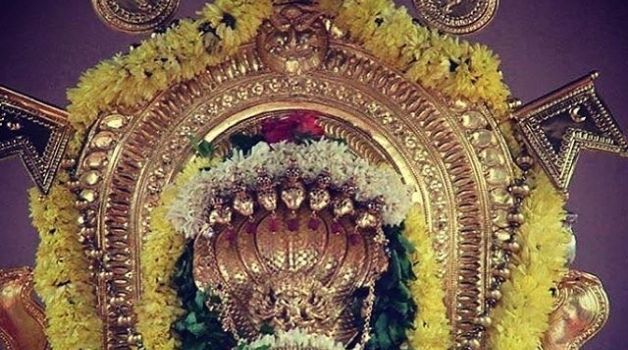
Significance Of Masa Sivaratri – Essential Monthly Shiva Observance
Significance Of Masa Sivaratri is rooted in the monthly devotion to Lord Shiva observed by Hindus across regions. “Masa” means **month**, and **Sivaratri** literally means **the night of Shiva** – together representing the observance that falls on the 14th day of the waning moon (Krishna Paksha) in the Hindu lunar calendar each month. This recurring celebration is distinct from Maha Shivaratri, an annual festival dedicated to Shiva, and offers devotees frequent opportunities for introspection, prayer, cleansing and connection with the divine.
What Is Masa Sivaratri?
Masa Sivaratri (also spelled Masik Shivratri) refers to the observance of Shivaratri every lunar month, specifically on the Chaturdashi (14th) day of Krishna Paksha. The Hindu calendar’s lunar cycle brings this date once per month, marking a sacred night dedicated to Lord Shiva’s worship.
Therefore, unlike Maha Shivaratri – which is a once-a-year festival of deep cultural importance – Masa Sivaratri is a regular spiritual observance that reinforces devotion and mindfulness in everyday life. Understanding significance of masa sivaratri is essential.
Why Masa Sivaratri Holds Special Importance
The **significance of Masa Sivaratri** lies in its role as a monthly spiritual checkpoint. It encourages devotees to pause, reflect, and deepen their bond with Shiva, the destroyer of ignorance and the source of transformation in Hindu thought.
- It offers a **monthly chance for purification** of mind, body, and soul through rituals and fasting.
- The observance reinforces **self-discipline and spiritual awareness** by engaging devotees regularly in prayer and meditation.
- Masa Sivaratri acts as a **consistent reminder of Shiva’s cosmic role** – beyond the grandeur of annual festivals, in everyday life.
When Masa Sivaratri Occurs
Masa Sivaratri occurs on the **14th day of the Krishna Paksha (waning moon phase)** of each lunar month. The timing is based on the Hindu lunar calendar, so the specific date in the Gregorian calendar shifts from month to month.
For example, in 2025, one of the Masa Sivaratris is anticipated to fall on **December 18 at 11:56 pm – December 19 at 12:50 am** according to traditional tithi timings. This relates to significance of masa sivaratri.
Traditional Rituals Of Masa Sivaratri
Fasting (Vrat)
Fasting is central to Masa Sivaratri. Devotees choose between a **full fast (no food and water)** or a **partial fast (simple vegetarian intake)** depending on personal vows and health conditions.
Additionally, before sunrise, devotees typically take a purifying bath and offer prayers with a sincere heart.
Night Vigil (Jagran)
A key ritual is staying awake throughout the night. Devotees chant mantras such as *Om Namah Shivaya* and perform Shiva-centric prayers. Staying awake symbolizes the effort to overcome ignorance and cultivate spiritual awakening. Learn more about significance of masa sivaratri.
Shiva Puja and Abhishekam
At temples or home altars, the Shiva Lingam is worshipped with water, milk, honey, Bilva (Bel) leaves, fruits and flowers. These offerings represent purity, reverence, and surrender to Shiva’s grace.
Chanting and Meditation
Devotees engage in the chanting of sacred hymns (such as the Rudrashtakam) and meditate to improve focus and contemplation on Shiva’s presence. This practice aids inner peace and resilience against daily stresses.
Step-By-Step Masa Sivaratri Celebration Plan
Here is a simple guide to observe Masa Sivaratri effectively:
- Early Morning Purification – Wake up before sunrise, take a bath, and wear clean clothes.
- Set Up Puja Space – Clean your puja room or altar. Place Shiva Lingam or image of Lord Shiva with fresh flowers.
- Offer Abhishekam – Pour water, milk, honey gently on the lingam, followed by Bilva leaves, fruits, and incense.
- Chant Mantras – Recite *Om Namah Shivaya* or Shiva Chalisa for 108 repetitions or more.
- Fasting – Observe your chosen type of fast from dawn to dawn (full/partial). Drink only water or fruit juices if partial.
- NigT Vigil – Stay awake after sunset, engage in prayer, bhajans and meditation, or participate in temple jagran if possible.
- Morning Closure – At dawn, conclude with a prayer of gratitude and break your fast mindfully with simple food.
Benefits Of Observing Masa Sivaratri
Devotees believe Masa Sivaratri practice fosters:
- Enhanced self-control and discipline.
- Spiritual clarity and mental peace.
- A deeper connection to Lord Shiva’s energy and grace.
- Purification and cleansing of past karmas.
- Positive transformation in routines and relationships.
Common Mistakes To Avoid During Masa Sivaratri
- Neglecting Intent – Rituals without sincere heart and mindfulness may feel hollow.
- Overeating After Fast – Break your fast with light food to maintain spiritual continuity.
- Ignoring Meditation – Focus on contemplation with calm mind; noisy routines can distract your practice.
- Skipping Night Vigil – All-night worship is core to its spiritual significance; try short periods of meditation if unable to stay awake fully.
Personal Observations And Experiences
When I visited a Shiva temple on Masa Sivaratri night, the atmosphere was unlike any other. The steady hum of *Om Namah Shivaya*, the glow of lamps and rhythmic ringing of bells helped silence the usual bustle of life. What surprised me was how even a short meditation session during the vigil brought a profound sense of calm I rarely experience on ordinary days. I personally recommend starting with a partial fast if you are new to this observance and gradually moving toward deeper commitment once comfortable.
Frequently Asked Questions (FAQs)
What’s the difference between Masa Sivaratri and Maha Shivaratri?
Masa Sivaratri happens every month on the 14th day of Krishna Paksha. Maha Shivaratri is a once-a-year festival usually in February or March, with greater cultural and ritual intensity.
Do I have to fast strictly?
Fasting is traditional, but many people choose partial fasting with fruits or milk based on their health and personal vows.
Can I observe Masa Sivaratri at home?
Yes. Masa Sivaratri can be observed at home with basic puja items, chanting, fasting, and night vigil; temple visits are optional but meaningful.
Is Masa Sivaratri obligatory for everyone?
No. It is a devotional observance. People participate based on faith, tradition, and personal spiritual goals.
Through consistent observance each month, Masa Sivaratri becomes more than a ritual – it becomes a rhythm of self-reflection and spiritual renewal that aligns everyday life with devotion to Lord Shiva and inner peace.


+ There are no comments
Add yours