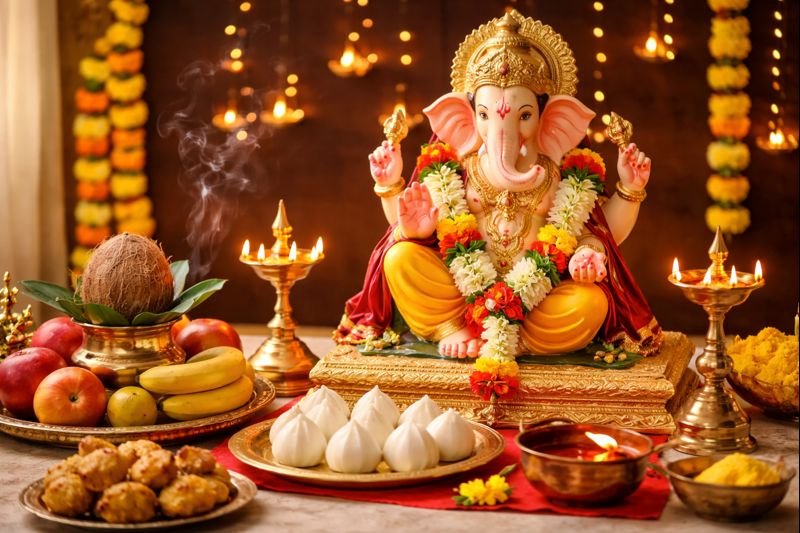
Significance Vinayaka Chaturthi Pooja & 2021 Date
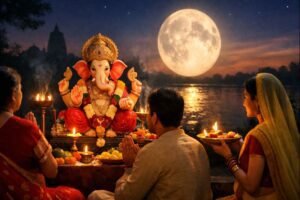
Significance Vinayaka Chaturthi Pooja is deeply rooted in Hindu tradition as an occasion to honor and worship Lord Ganesha — the elephant-headed deity revered as the remover of obstacles, granter of wisdom, and bestower of prosperity. Also known as Vinayaka Chavithi or Ganesh Chaturthi in many parts of India, this sacred festival blends devotion, ritual purity, cultural celebration, and personal reflection.
In this detailed informational guide, you will find the historical significance of Vinayaka Chaturthi, step-by-step pooja instructions, tips, common pitfalls to avoid, and an FAQ section to answer your most pressing questions. We’ve also included the exact date and muhurat for the Bhadrapada Vinayaka Chaturthi celebrated in 2021.
What Is Vinayaka Chaturthi?
Vinayaka Chaturthi refers to the Chaturthi (fourth day) of the waxing moon (Shukla Paksha) in the Hindu lunar calendar, dedicated to worshipping Lord Ganesha. While this tithi occurs every month, the Vinayaka Chaturthi in the month of Bhadrapada (usually August/September) is celebrated with grandeur as the birth anniversary of Lord Ganesha. Understanding Significance Vinayaka Chaturthi Pooja is essential.
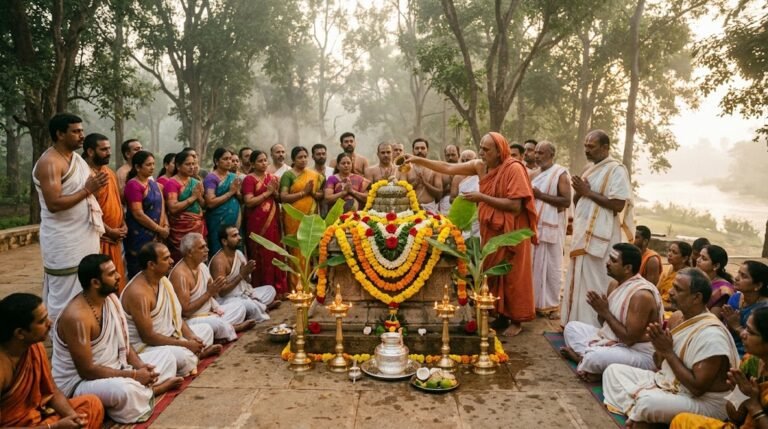
This festival has both spiritual and cultural dimensions — from puja rituals to community celebrations in temples and homes, uniting devotees across regions.
2021 Vinayaka Chaturthi (Ganesh Chaturthi) Date & Timing
In 2021, the most widely observed Vinayaka Chaturthi (also known as Ganesh Chaturthi) fell on Friday, September 10, 2021. On this day, devotees performed the main puja — often during the Madhyahna (midday) auspicious muhurat — which in many regions was between approximately 11:03 AM and 1:33 PM IST.
Therefore, this date is calculated based on traditional Panchang (Hindu lunar calendar) rules, and marks the key annual festival celebrating Lord Ganesha’s divine appearance in the world. This relates to Significance Vinayaka Chaturthi Pooja.
Historical And Mythological Roots
Legend holds that Lord Ganesha was created by Goddess Parvati and endowed with life to guard her chambers. When Lord Shiva unknowingly severed Ganesha’s head, he later replaced it with the head of an elephant, blessing him with new life and divine roles. This mythological narrative underscores why Ganesha is worshipped at the start of all rituals or new endeavors — to remove obstacles and foster wisdom.
Ancient scriptures like the Wikipedia entry on Ganesh Chaturthi explain that the festival is observed with chanting, processions, and immersion of idols, symbolizing the cyclical nature of life and devotion.
Significance Vinayaka Chaturthi Pooja Explained
The pooja of Vinayaka Chaturthi holds multiple layers of meaning: Learn more about Significance Vinayaka Chaturthi Pooja.
- Removal Of Obstacles: Ganesha is revered as Vighnaharta — the remover of obstacles — invoked before any auspicious task.
- Wisdom And Learning: Lord Ganesha embodies buddhi (intellect) and is worshipped by students and professionals alike.
- Prosperity And Good Fortune: Devotees seek blessings for success in personal and professional life.
- Cultural Unity: The festival fosters community bonding through shared rituals, feasts, and celebrations.
Step-By-Step Vinayaka Chaturthi Pooja Procedure
Below is a straightforward and traditional approach to performing the Vinayaka Chaturthi Pooja at home:
1. Preparations Before The Pooja
• Clean your home and pooja space thoroughly. Draw a rangoli or decorative pattern at the entrance.
• Set up a clean altar table with a red or yellow cloth. Place a calm and sacred image or idol of Lord Ganesha.
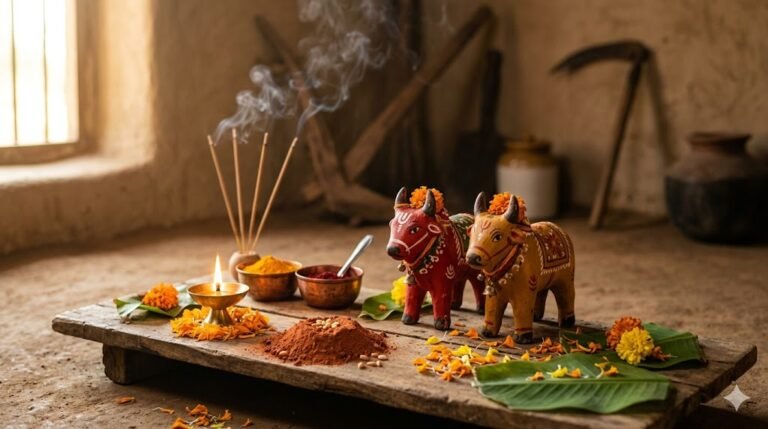
However, • Arrange flowers, incense sticks, a diya (lamp), fresh fruits, sweets (especially modaks or laddoos), durva grass, and coconut for offering.
2. Sankalpa (Intention Setting)
• Begin by lighting the diya and incense sticks.
Moreover, • Take a moment to state your sankalpa — a personal vow or intention of worship for peace, prosperity, and removing obstacles.
3. Invocation (Ganesh Vandana)
• Chant “Om Gan Ganapataye Namaha” 108 times or as per your tradition.
Moreover, • Offer flowers and durva grass while reciting the mantra.
4. Main Offering (Naivedya)
• Place modak (a sweet dumpling reputedly Ganesha’s favorite) and other sweets at the altar.
• Offer fruits and light camphor to conclude this stage.
5. Aarti (Ceremonial Song)
• Perform the aarti using a camphor flame or diya while singing or playing a Ganesh aarti song.
6. Prasad Distribution
• After the pooja, distribute the blessed food (prasad) among family members and guests.
Tips And Best Practices For Pooja Success
- Begin the pooja during Shubh Muhurat — midday is often recommended for Vinayaka Chaturthi to align with Chaturthi tithi.
- Wear clean, preferably traditional attire to honor the sacred occasion.
- Use only clean water, fresh flowers, and natural offerings to maintain purity.
- If possible, read or listen to the Ganesh Purana or related stories to deepen spiritual context.
Common Mistakes To Avoid
- Avoid performing the puja in a cluttered or dusty space — cleanliness is considered essential for divine presence.
- Don’t rush through mantras or rituals — take your time to recite with devotion, even if shorter versions are used.
- Refrain from modern decorations that may distract from spiritual focus, like overly loud music or unrelated celebration elements.
Frequently Asked Questions (FAQs)
Q: Why Do We Celebrate Vinayaka Chaturthi?
Vinayaka Chaturthi celebrates the divine birth of Lord Ganesha and acknowledges his role in removing obstacles and granting blessings for wisdom, prosperity, and success.
Q: Is Vinayaka Chaturthi Only Celebrated Once A Year?
No. While the once-a-year Vinayaka Chaturthi during Bhadrapada is most popular, a Vinayaka Chaturthi tithi occurs every lunar month on the fourth day of the waxing moon — each observed with devotion by many devotees.
Q: What Is The Difference Between Vinayaka Chaturthi And Sankashti Chaturthi?
Vinayaka Chaturthi falls on the Shukla Paksha (waxing moon), while Sankashti Chaturthi occurs during Krishna Paksha (waning moon). Both honor Lord Ganesha but have different ritual contexts.
Q: Can I Perform Pooja Without An Idol?
Yes. You can use a picture or symbolic representation of Lord Ganesha and follow the rituals with prayer, mantra chanting, and offerings. What matters most is devotion and purity of heart.
Q: What Are Traditional Prasads For Vinayaka Chaturthi?
The most traditional prasad is modak — a sweet dumpling believed to be Lord Ganesha’s favorite. Fruits, laddoos, and coconut are also common offerings.
In contrast, when I visited the famed Siddhivinayak Temple in Mumbai during Ganesh Chaturthi celebrations one year, I was struck by how deeply personal and communal the devotion felt — families sharing prasads, children learning mantras, and complete strangers joining aarti in shared reverence. I personally recommend immersing yourself in both the spiritual and cultural facets of this festival to experience its full depth.
+ There are no comments
Add yours