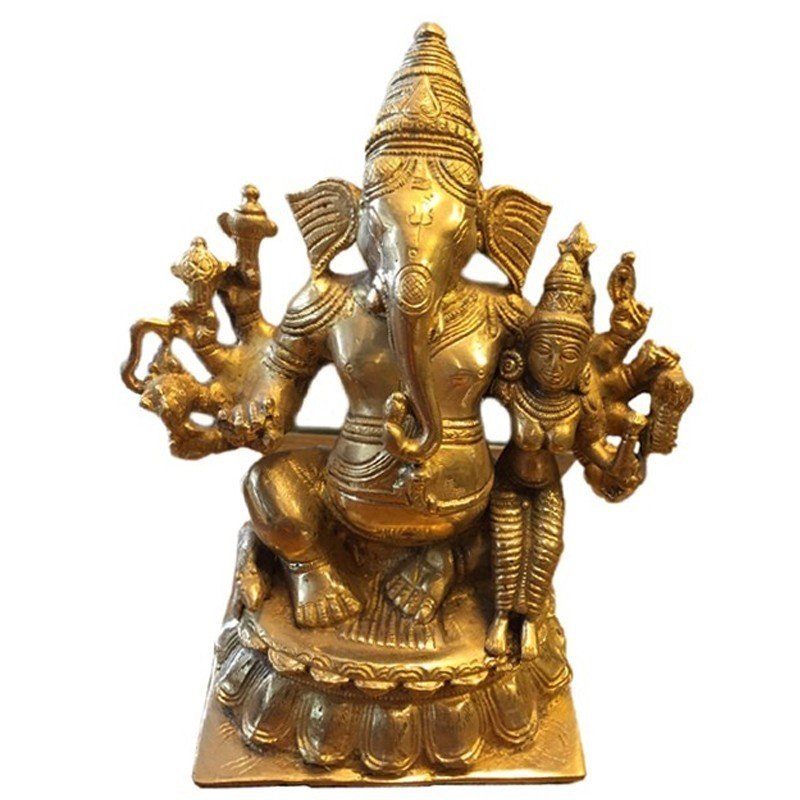
Ucchista Ganapati Stotram Telugu: Essential Devotional Prayer Guide
Ucchista Ganapati Stotram Telugu is a revered devotional hymn dedicated to Lord Ucchista Ganapati — a powerful form of Ganesha known for dissolving obstacles and granting deep spiritual blessings. In this article, you’ll get clear insights into the history, meaning, correct way to chant, benefits, tips, common mistakes to avoid, and frequently asked questions about this sacred stotram in Telugu. Ucchista Ganapati holds a unique place in Hindu worship as one of the tantric aspects of Lord Ganesha that transcends the ordinary dichotomy of pure–impure in spiritual practice.
What Is Ucchista Ganapati?
Ucchista Ganapati is one of the 32 recognized forms of Lord Ganesha, distinctive for representing the transcendence of duality — especially the idea of pure and impure. The term “Ucchishta” literally means “leftovers” or remnants, and in tantric symbolism, it signifies what remains after conventional classifications are removed.
Unlike more commonly worshiped forms of Ganesha, Ucchista Ganapati embodies deeper spiritual meanings associated with controlling ego, primal forces, and attaining mastery over desires. His iconography is tantric in nature, symbolizing the union of consciousness (Shiva) and dynamic energy (Shakti).
Historical And Scriptural Significance
The Ucchista Ganapati Stotram is part of the larger Ganapati stotra traditions and often found in tantric and devotional literature. The verses are traditionally chanted aloud to seek blessings for success, removal of obstacles, inner transformation, and overcoming intense worldly challenges.
Furthermore, this stotram, like many traditional hymns, emphasizes devotion over external ritual purity — indicating that sincere prayer and intent matter more than outward formalities.
Furthermore, for deeper context on Lord Ganesha’s roles and forms, you can refer to the extensive collection on Ucchishtha Ganapati – Wikipedia, which explains his tantric symbolism and spiritual importance.
Text Of Ucchista Ganapati Stotram In Telugu
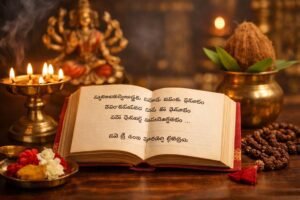
Here is a commonly shared Telugu version of the opening slokas of the Ucchista Ganapati Stotram with transliteration. The complete version can be downloaded in PDF from public sources online.
| Sloka (Telugu) | Transliteration |
|---|---|
| దేవ్యువాచ | నమామి దేవం సకలార్థదం తం సువర్ణవర్ణం భుజగోపవీతం | | Devyuvacha | Namami Devam Sakalarthadam Tam Suvarnavarnam Bhujagopavitam | |
| గజాననం భాస్కరమేకదంతం లంబోదరం వారిభవాసనం చ || | Gajanam Bhaskaram Ekadantam Lambodaram Varibhavasanam Cha || |
| కేయూరిణం హారకిరీటజుష్టం చతుర్భుజం పాశ్వరాభయాని | | Keyurinam Harakiritajushtam Chaturbhujam Pashvarabhayani | |
This is just the beginning of the stotram. To view the full hymn in Telugu with additional verses and meaning, you can download a verified version online.
How To Chant Ucchista Ganapati Stotram Telugu
Chanting this stotram requires devotion, focused attention, and respect. Here’s a step-by-step approach:
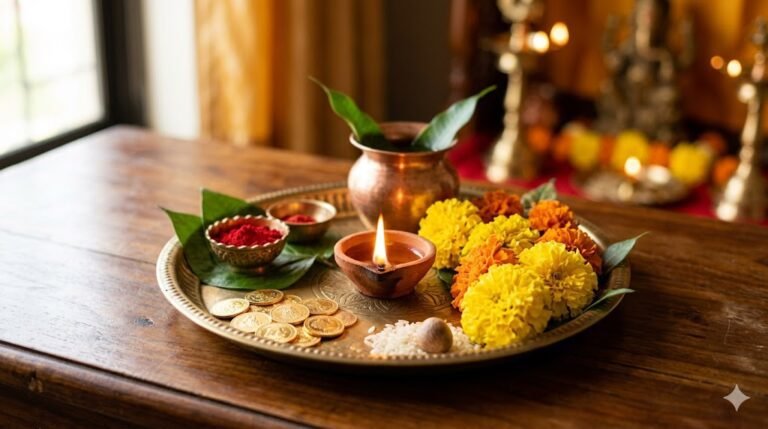
1. Prepare Your Space
Choose a clean, quiet place in your home or temple. Cleanliness of mind is more important than ritual cleanliness of the body, yet many devotees prefer sitting with clean hands and a simple seat.
2. Position Your Deity
Place an image or idol of Lord Ganesha. It can be any form of Ganapati you have at home — a gentle reminder that the deity’s presence is what matters. Many choose an image on an altar or table facing east or north.
3. Chant With Correct Pronunciation
Repeat the verses aloud or silently, focusing on meaning and devotion rather than speed. Beginners can start with 3 rounds of the opening verses and gradually build up to more. Reciting with clarity makes the practice more spiritually impactful.
4. Closing Prayer
End with a short prayer for peace and well-being of yourself and others. A simple “Om Shanti Shanti Shanti” can bring closure to your chanting session.
Benefits Of Chanting Ucchista Ganapati Stotram Telugu
Devotees believe chanting this stotram with faith yields several benefits:
- Removes obstacles and inner resistance to progress.
- Promotes success in personal and professional endeavors.
- Helps manage emotional and psychological barriers.
- Deepens connection with inner self and higher consciousness.
Traditional belief holds that sincere chanting dissolves fears and anxiety, helping practitioners access deeper layers of calm and determination.
Tips For Effective Practice
- Practice daily or on auspicious days like Sankashti Chaturthi or Rudrabhishekam days.
- Start with shorter sessions and increase recitation gradually.
- Study the meaning of each verse to internalize devotion.
- Combine with other Ganapati stotras for broader spiritual results.
Common Mistakes To Avoid
Here are some pitfalls devotees should be mindful of:
- Avoid reciting mechanically without understanding the verses.
- Do not rush the chanting. Calm and clear pronunciation works better.
- Avoid misconceptions that this is purely a ritualistic practice — the emphasis is on devotion and intention.
Frequently Asked Questions
Q: Can anyone chant the Ucchista Ganapati Stotram?
A: Yes. Anyone with devotion can chant. Unlike some tantric rituals that require initiation, this stotram is widely shared. Understanding meaning enhances effect.
Q: Do I need a guru to chant this stotram?
A: No guru is mandatory. However, guidance from a knowledgeable person can help with pronunciation and deeper understanding.
Q: How many times should I chant this stotram?
A: Beginners can start with once or thrice daily, and advance as per comfort and devotion.
Q: Are there any specific auspicious days?
A: Ganesh Chaturthi (Vinayaka Chavithi) and Sankatahara Chaturthi are considered especially beneficial for chanting Ganapati stotras.
Q: Is there a Telugu PDF available?
A: Yes. Various devotional portals offer a downloadable Telugu PDF of Ucchista Ganapati Stotram Telugu. A verified version is available from public Hindu devotional archives.
Furthermore, during my pilgrimage to a Ganesha temple in Andhra Pradesh, I noticed locals chanting various Ganesha hymns early in the morning — the atmosphere was calm, focused, and deeply devotional. I personally recommend starting your practice in a quiet morning session when the mind is fresh.
Therefore, what surprised me was how deeply reciting these stotras influences inner peace even after a few repetitions. The most meaningful part of the practice is not ritual complexity but sincerity of heart.


+ There are no comments
Add yours