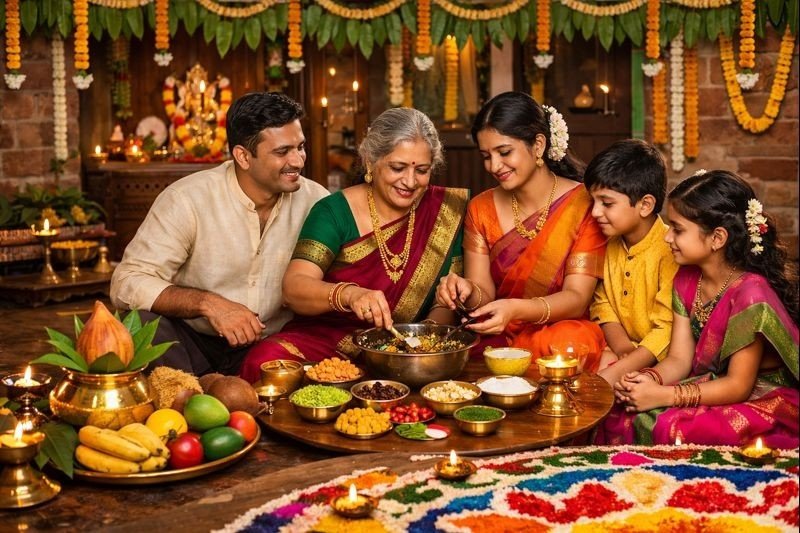
Significance Ugadi Festival History – Essential Insight Into Ugadi
“Significance Ugadi Festival History” lies in its celebration as the Hindu New Year, marking new beginnings, cultural identity, and tradition among millions. Ugadi is more than a festival; it represents centuries-old heritage observed primarily in the southern Indian states of Andhra Pradesh, Telangana, and Karnataka, and echoed across India by various communities with local names and customs.
In contrast, when I first attended Ugadi celebrations in Andhra Pradesh, I was struck by the blend of spirituality, cultural songs, decorations, and the rich diversity of rituals—from temple visits to family feasts. Many traditions associated with Ugadi have roots that go back to ancient astronomical timekeeping and mythological lore.
On the other hand, Drik Panchang – Ugadi Festival Info
Ugadi on Wikipedia Understanding Significance Ugadi Festival History is essential.
What Is Ugadi?
Ugadi, also spelled Ugādi or Yugadi, is a traditional Hindu festival marking the first day of the Chaitra month in the lunisolar Hindu calendar. This day typically falls in March or April of the Gregorian calendar.
Furthermore, the word “Ugadi” comes from Sanskrit: “yuga” means age and “adi” means beginning—the beginning of a new age. The festival marks the start of a new Samvatsara (year cycle), each of which has a specific name in a 60-year rotation.
Historical Roots And Origins
The history of the Ugadi festival is deeply entwined with the Hindu lunisolar calendar and ancient cultural traditions in India. Although exact origins are difficult to date, Ugadi is mentioned in historical records and is linked to the practices of ancient kings and scholars who followed the lunisolar system for agriculture, timekeeping, and religious observance. This relates to Significance Ugadi Festival History.
Legend holds that on this day Lord Brahma began creating the universe, which adds a mythological layer to the festival’s historical context. While this story is symbolic, it underscores the age-old reverence for cosmic cycles and time measurement in Hindu thought.
Where Ugadi Is Celebrated
Ugadi is primarily celebrated in the Indian states of:
| State/Region | Local Name |
|---|---|
| Andhra Pradesh | Ugadi |
| Telangana | Ugadi |
| Karnataka | Yugadi |
| Maharashtra & Goa | Gudi Padwa (same new year day) |
The core essence of Ugadi continues through these regions, though local names and customs may differ slightly. Learn more about Significance Ugadi Festival History.
Significance Ugadi Festival History Explained
New Year And Renewal
The festival marks the New Year according to the Hindu lunisolar calendar. It aligns with the arrival of spring and the agricultural cycle, symbolizing new beginnings, growth, prosperity, and hope for the year ahead. This is a time when families conduct purifying rituals, prepare special foods, and pray for well-being.
Cultural Identity And Community
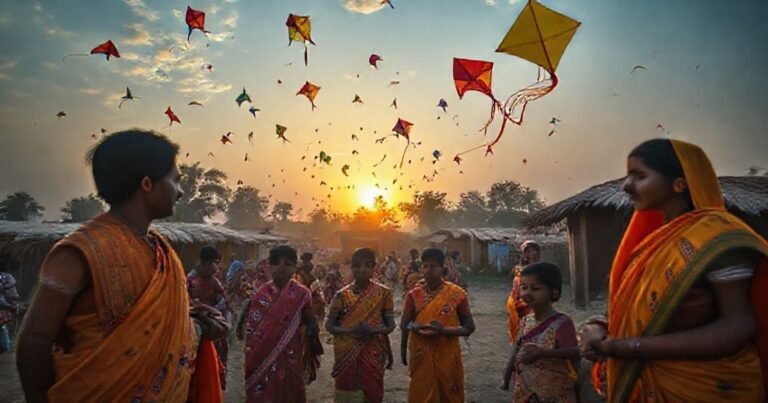
Ugadi reinforces cultural identity. The festival brings families and communities together in celebrations, temple visits, and shared meals. Traditional practices such as drawing Muggu (rangoli), decorating entrances with mango leaves, and exchanging greetings strengthen communal bonds.
Astronomical And Astrological Importance
Astronomically, Ugadi falls on Chaitra Shukla Pratipada, the first day of the bright half of the Chaitra month in the Hindu calendar, linked with the first new moon after the March equinox. Astrologers often use this day to predict the year’s prospects through Panchanga Sravanam (reading the almanac), a tradition that dates back centuries.
Life’s Complexity Through Ugadi Pachadi
An essential feature of Ugadi is Ugadi Pachadi, a dish made from six flavors—sweet, sour, salty, bitter, pungent, and astringent—representing the various experiences life offers. This meal is not just food but a philosophical reminder that life brings joy, sorrow, success, failure, and everything in between.
Common Rituals And Celebrations
Preparations Before Ugadi
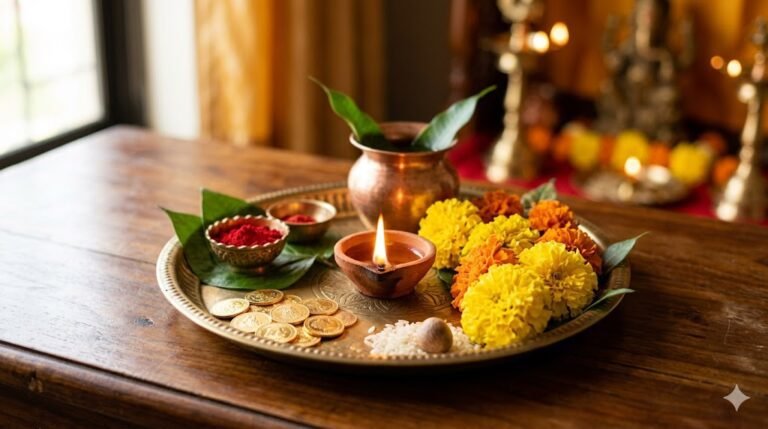
Days before Ugadi, homes are cleaned and decorated. Mango leaves and flowers are placed on doorways to invite prosperity. Families buy new clothes and make arrangements for temple visits and community gatherings.
Ritual Bath And Purification
On the morning of Ugadi, it’s customary to take an early oil bath (often an Abhyanga Snan) to purify the body and mind. This signifies a fresh start.
Panchanga Sravanam
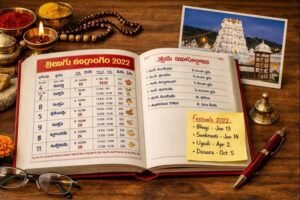
Many families gather to listen to the reading of the Panchanga (Hindu almanac), which provides astrological forecasts and the Samvatsara (year name). This practice connects people with ancient traditions of timekeeping and cosmic cycles.
Special Foods And Feasts
Ugadi is incomplete without foods like Ugadi Pachadi and a variety of festive dishes like bobbatlu or holige. These meals bring families together around the dining table, sharing blessings and stories.
Temple Visits And Prayers
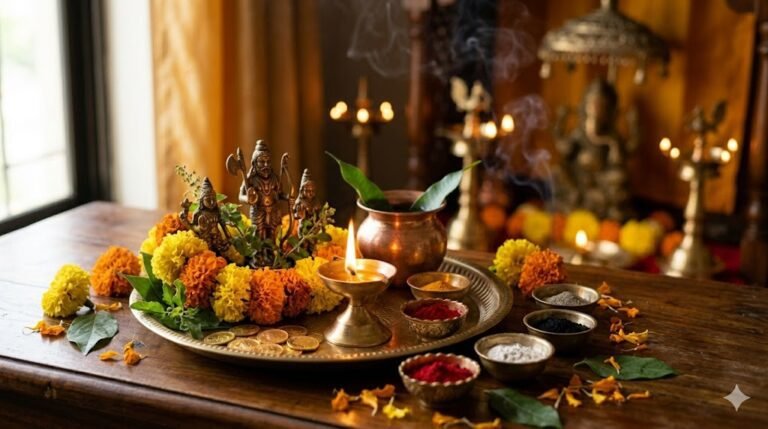
Devotees visit temples to offer prayers and seek blessings for health, prosperity, and spiritual growth throughout the year. Temples are often beautifully decorated, with special pujas conducted on this day.
Tips And Best Practices For Celebrating Ugadi
- Start preparations a few days early to avoid last-minute rush and ensure decorations and food ingredients are ready.
- Include all family members in rituals and discussions about the significance, making the festival educational for younger generations.
- Prepare Ugadi Pachadi carefully with balanced flavors to reflect life’s essence thoughtfully.
- Attend Panchanga Sravanam with elders to connect with cultural heritage and learn the Panchanga predictions.
- Schedule temple visits early morning to avoid crowds and make the most of spiritual ambiance.
Common Mistakes To Avoid
- Postponing home cleaning until the last moment—cleaning is symbolic of removing past negativity before a new year.
- Skipping the Panchanga Sravanam ritual, which holds deep astrological and cultural importance.
- Ignoring local traditions—engage with regional customs whether in Andhra, Telangana, or Karnataka.
- Overcomplicating rituals—focus on meaning rather than perfection.
Frequently Asked Questions (FAQ)
When Is Ugadi Celebrated?
Ugadi falls on the first day of the Chaitra month of the Hindu lunisolar calendar. In 2025, it was observed on March 30.
What Does Ugadi Mean?
Ugadi means the beginning of a new age—derived from Sanskrit words “yuga” (age) and “adi” (beginning).
Is Ugadi Celebrated Outside India?
Yes, communities with Indian heritage in countries like Mauritius celebrate Ugadi as a public holiday or cultural festival.
Do People Worship Any Specific Deity On Ugadi?
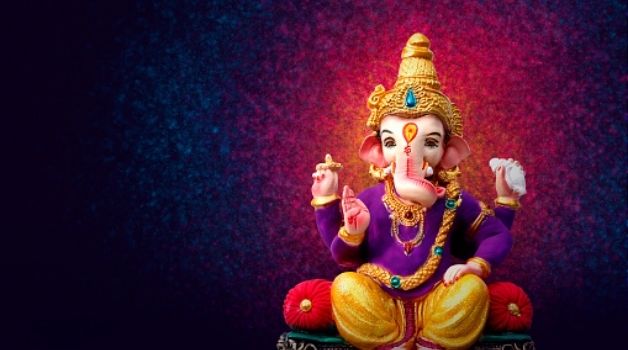
While there’s no one specific deity, people often worship gods like Brahma, Ganesha, Vishnu, and Lakshmi to seek blessings for the new year.
Is Ugadi Only For Hindus?
Ugadi is rooted in Hindu calendar traditions, but its cultural celebration extends to anyone who wishes to embrace its themes of renewal and positivity.
Ugadi stands as a timeless reminder that life is cyclical, constantly renewing, and rich with diverse experiences. Whether observed with family feasts, temple gatherings, or reflective Panchanga Sravanam, the festival remains a cornerstone of cultural identity for millions.


+ There are no comments
Add yours