Famous Narasimha Swamy Temples In North India: Essential Pilgrimage Guide
Famous Narasimha Swamy Temples In North India are revered pilgrimage sites celebrating Lord Narasimha — the lion-headed fourth incarnation of Lord Vishnu. Worshipped as a fierce protector and destroyer of evil, Lord Narasimha’s temples draw devotees seeking courage, protection, prosperity and peace. Unlike the well-known clusters of Narasimha temples in South and Central India, northern India’s sacred shrines are fewer but steeped in ancient legend, regional history and devotional significance.
On the other hand, in this guide, we explore the most notable temples dedicated to Lord Narasimha in North India, complete with historical context, visitor tips, common planning mistakes to avoid and answers to frequently asked questions to help you prepare for a spiritual process. For official information, visit official government portal.
Why Lord Narasimha Is Worshipped Across India
Lord Narasimha is a celebrated avatar of Vishnu, described in ancient Hindu texts as the “man-lion” who emerged to vanquish the demon Hiranyakashipu and protect his devotee Prahlada. The story symbolizes divine protection and the triumph of righteousness over evil. Archeological evidence shows Narasimha images and temple sculptures in regions across India, including Uttar Pradesh and Madhya Pradesh, dating back to early centuries CE.
Top Famous Narasimha Swamy Temples In North India
1. Nrisingha Temple, Nadia, West Bengal
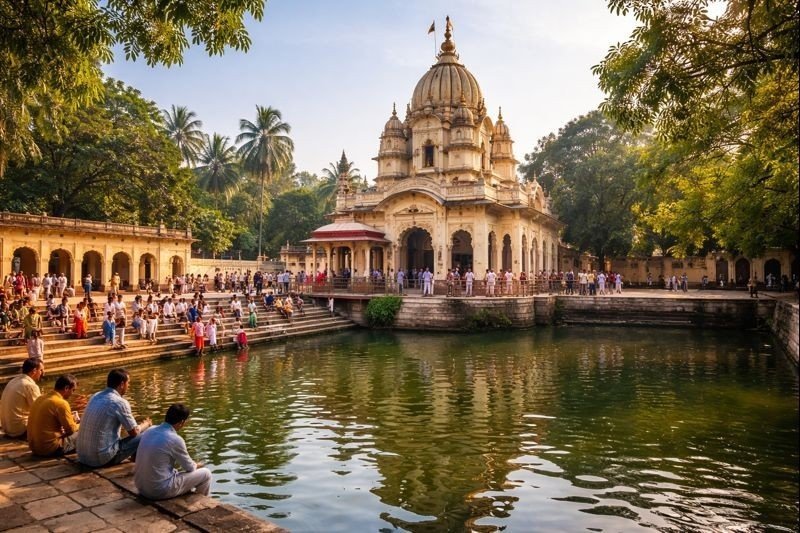
The Nrisingha Temple, Nadia is one of the most prominent famous Narasimha Swamy temples in North India dedicated to Lord Narasimha. Situated in **Nrisinghapally** on the Nabadwip-Krishnagar road, it holds deep mythological importance.
According to tradition, this site marks the place where Lord Narasimha washed his blood-stained claws after slaying Hiranyakashipu. A sacred pond beside the temple is believed to be the ancient Mandakini River where this act took place.
Chaitanya Mahaprabhu and his disciples have been associated with this temple’s devotional history, making it especially significant for followers of Gaudiya Vaishnavism.
| Feature | Details |
|---|---|
| Location | Nrisinghapally, Nadia, West Bengal |
| Deity | Lord Narasimha |
| Founded / Rebuilt | Reconstructed in 1896 by Raja Khistish Chandra Roy |
| Best Time to Visit | Narasimha Jayanti / Winter (Oct–Mar) |
I visited Nrisinghapally in early December — the cool weather and the serene pond beside the temple enhanced the spiritual atmosphere. Unlike larger temple complexes, this shrine offers a peaceful space for meditation and reflection.
2. Narasimha Shrines in Mathura Region (Legendary Sites)
Though not always documented with formal temple boards or official sites, several historical references and local traditions place Narasimha shrines near **Mathura-Vrindavan** — India’s sacred Braj region. These are considered part of the spiritual landscape where Lord Krishna’s pastimes unfold and include small local Narasimha shrines close to Vishram Ghat and other ghats on the Yamuna river.
Therefore, these spots may not be large temple complexes like those in south India, but devotees often regard them as spiritually potent, especially during local festivals and Brahmotsav celebrations when the deity’s worship intensifies.
Visitor Tip: Check with temple trusts in Mathura (especially ISKCON or local Vaishnava organizations) for access and puja schedules since official records for these shrines vary.
3. Ancient Narasimha Icons and Temple Ruins in Northern India
Archaeological discoveries across central and northern India reveal Narasimha carvings and temple remains in early historical sites. For example, Narasimha iconography has been documented in archaeological finds in Uttar Pradesh and Madhya Pradesh.
While not pilgrimage centers in the traditional sense, these ruins are part of India’s sacred heritage and reflect early worship of the deity across regions that now make up North India. Visiting such sites often requires coordination with local archaeology departments or guided historical tours.
Tips For Visiting Narasimha Swamy Temples In North India
Plan for Narasimha Jayanti and Festival Days
**Narasimha Jayanti**, marked on the 14th day of the Vaishakh month, celebrates the appearance of Lord Narasimha. Temples are especially crowded with devotees during this period. Plan well in advance and arrive early to avoid long queues and secure special puja darshan.
Dress Code and Customs
Most temples follow traditional dress codes. Men are expected to wear modest attire (kurta-pyjama or similar), and women are often asked to wear sarees or salwar kameez. Always carry a shawl or wrap, particularly in winter months, as many northern temples have open courtyards.
Local Transport and Accessibility
Smaller temple sites like Nrisingha Temple may not be directly served by major trains. Planning connectivity via **local trains to Krishnanagar or Nabadwip** followed by taxi or auto rickshaw is recommended. Check ahead on local transport options before departure.
Common Mistakes Devotees Make
1. Assuming All Narasimha Temples Are Large Complexes
Unlike major South Indian temple cities, many Narasimha shrines in North India are smaller temples or grotto shrines. Expect modest facilities and plan accordingly — especially for food and rest areas. Carry light snacks and water.
2. Visiting Without Checking Puja Timings
Smaller temples may have shorter darshan windows, especially outside festival seasons. Confirm opening and closing times via local temple boards or community contacts before your visit.
3. Ignoring Local Customs
In some temples, rituals or access to inner sanctums may be governed by local traditions. Be respectful of customs and seek permission before photography or approaching inner sanctums.
Frequently Asked Questions (FAQs)
Q1: What Is The Significance Of Lord Narasimha?
Lord Narasimha represents divine intervention to protect the devoted and uphold Dharma (righteousness). His unique avatar — neither fully man nor beast — symbolizes that divine power transcends conventional limits. devotees pray to him for protection against fear, adversity and obstacles.
Q2: When Is The Best Time To Visit Famous Narasimha Swamy Temples In North India?
The ideal time is during **Narasimha Jayanti** (usually April-May) and the cooler winter season (October–March), when weather conditions are comfortable. Temple festivals and local processions often intensify around this time.
Q3: Are These Temples Suitable For First-Time Pilgrims?
Yes, all the listed temples and shrines welcome pilgrims. Smaller temples like Nrisingha Temple offer a meditative atmosphere perfect for first-time visitors seeking a spiritual experience.
Q4: Do I Need A Guide To Visit Lesser-Known Shrines?
Guides or local contacts are helpful when visiting unmarked or informal Narasimha shrines, especially around Mathura or other historic regions. For well-established temples, self-guided visits are usually sufficient.
Q5: Can Non-Hindus Visit These Temples?
Most Narasimha temples allow visitors of all backgrounds but may restrict certain inner sanctum access based on tradition. Always check with temple authorities on entry policies.
Conclusion: A Devotional North Indian Trail
Famous Narasimha Swamy Temples In North India offer a distinct blend of devotion, ancient legend and serene pilgrimage. From the historically rich Nrisingha Temple in Nadia to the devotional shrines of Mathura’s ghats and archaeological reminders of Narasimha worship, each site deepens your connection to Lord Narasimha’s timeless story of protection and grace.
I personally recommend starting your pilgrimage at **Nrisinghapally (Nadia)** during Narasimha Jayanti for an intensely devotional atmosphere. What surprised me most was the deep sense of calm at the pond beside the temple — a reminder of Narasimha’s divine compassion beyond his fierce form.
Whether you’re a seasoned pilgrim or a spiritual traveler, planning thoughtfully around festival calendars, local customs, and transport logistics will make your process fulfilling and memorable.
For further historical context on Lord Narasimha and his worship in India, see the Narasimha Wikipedia page.


+ There are no comments
Add yours