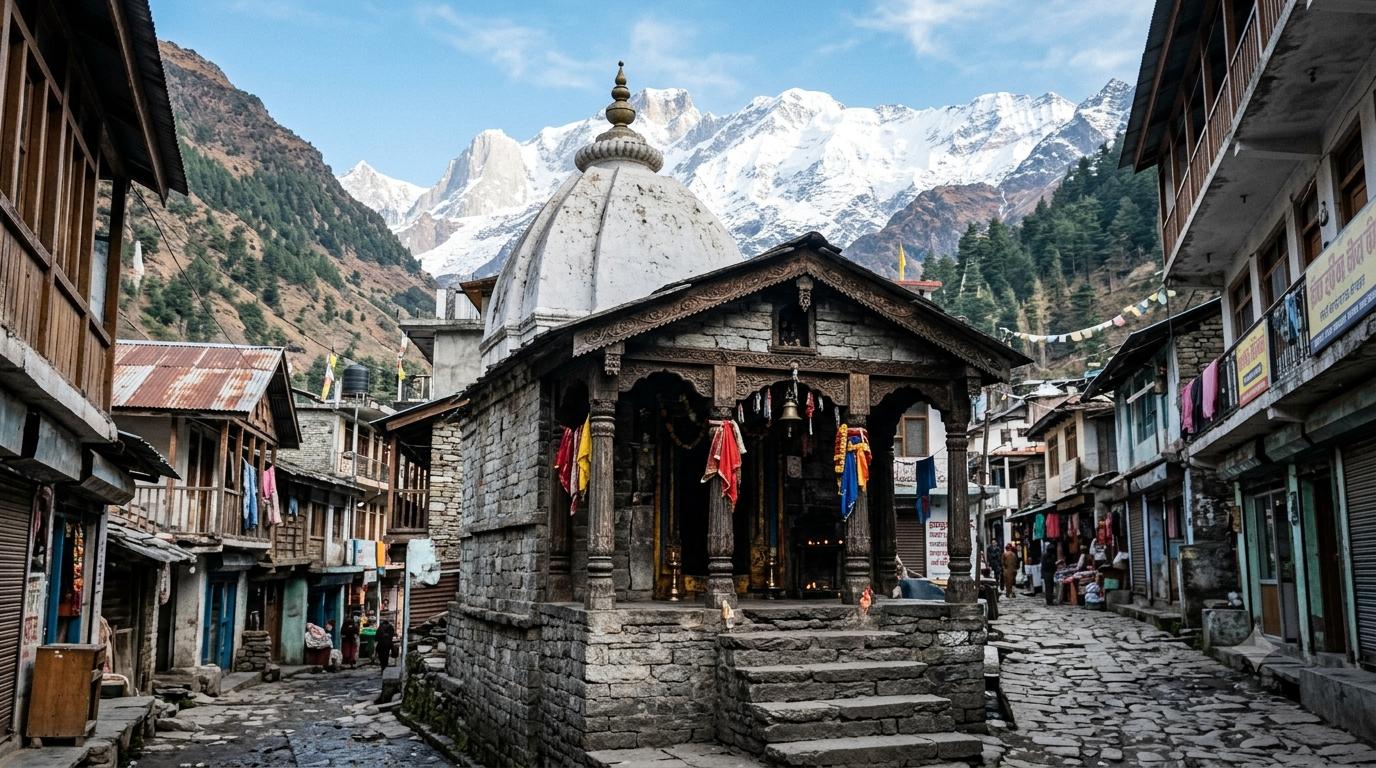
Narasimha temples in North India are far rarer than the crowded Narasimha belt of the South, and that scarcity is exactly what makes a dedicated trip worthwhile. Most roundups quietly pad the list with Maharashtra and Andhra shrines. This guide stays inside the real North, so you get Uttarakhand, Uttar Pradesh and Rajasthan only. You also get darshan timings, honest travel warnings, and one correction about Badrinath that almost every competing page repeats wrongly.
Sri Vyasa Pooja is an independent pilgrim guide. We are not affiliated with, endorsed by, or the official website of any temple, trust, devasthanam or government body. We do not accept bookings, donations or payments of any kind. Every reservation and official confirmation should go through the official portals linked in this article.
Narasimha Temples in North India at a Glance
- Most important shrine: Narsingh Badri at Joshimath (now officially Jyotirmath), Chamoli district, Uttarakhand.
- Why it matters: it is a Divya Desam, one of the Sapta Badri group, and the winter seat of the Badrinath rituals.
- Other genuine North Indian shrines: Vrindavan in Uttar Pradesh, plus Hindaun and Amber in Rajasthan.
- Typical darshan window: roughly 6:00 a.m. to noon, then about 3:00 p.m. to 8:00 p.m., though this shifts by season.
- Entry cost: darshan at all four is free; no ticket or online booking system exists.
- Best months: October to May, because the monsoon brings landslide risk across the Garhwal hills.
Why Narasimha Temples in North India Are So Few
The Narasimha tradition grew deepest in the Deccan and the Tamil country. Ahobilam alone holds nine shrines, while Andhra Pradesh counts more than thirty. The North took a different path, since Rama and Krishna devotion dominated the Gangetic plain from an early period. Narasimha temples in North India therefore stayed small and scattered.
Narasimha still travelled north, though he arrived mostly as a protector deity rather than a temple-town centre. You therefore find him guarding fort entrances, sitting inside caves, or anchoring a monastery. That changes what a visit feels like. These are small, quiet shrines, so do not expect the queue systems and seva counters of a southern kshetra.
The Four Narasimha Temples in North India Worth Planning Around
Four of the Narasimha temples in North India justify a journey on their own. A fifth site matters historically, although you cannot visit it today. Each entry below gives the location, the reason it is significant, and what to expect on arrival.
1. Narsingh Badri, Joshimath (Jyotirmath), Uttarakhand
This is the single most significant of the Narasimha temples in North India. It sits in the lower market area of Joshimath, at roughly 1,875 metres, about 800 metres from the bus stand. Tradition credits Adi Shankaracharya with establishing the shrine, and the murti is carved from shaligram stone.
The temple belongs to two important groups. It is counted among the 108 Divya Desams of Vaishnava tradition, and it forms part of the Sapta Badri circuit. Because Joshimath is the gateway town for Badrinath, most Char Dham travellers pass within walking distance without realising what they are missing.
Darshan generally runs from about 6:00 a.m. to midday, then reopens through the afternoon until around 8:00 p.m. Reported timings vary between sources, so confirm at the temple on the day. There is no entry fee and no ticketing system.
What the Badrinath Winter Connection Actually Means
Here is the correction. Countless travel pages state that the Badrinath idol is carried down to Narsingh Temple each winter. That is not what happens.
According to statements issued by the Shri Badarinath Kedarnath Temple Committee at each closing ceremony, the main Badri Vishal murti never leaves its sanctum. An akhand jyoti is lit before it, and tradition holds that Narada continues the worship for six months. What actually moves is ceremonial: the palanquins of Kubera and Uddhava travel to the Yog Dhyan Badri temple at Pandukeshwar, while the gaddi of Shankaracharya goes to Narsingh Temple in Joshimath.
So Joshimath genuinely is the winter seat of the Badrinath tradition. The distinction matters, though, because pilgrims sometimes arrive in January expecting to see the main idol. They will not.
2. Panchayati Narsingh Mandir, Vrindavan, Uttar Pradesh
Vrindavan holds thousands of temples, and almost all honour Krishna. This one is different. The Panchayati Narsingh Mandir stands in the Athkhamba area, tucked inside a busy market lane, and it is roughly two centuries old.
Visit on Narasimha Chaturdashi if you can. The temple stages a dramatisation of the Narasimha leela that day, and the atmosphere is unlike anything else in Braj. On ordinary days it is calm, which is rare for central Vrindavan.
3. Narsinghji Gufa Temple, Hindaun, Rajasthan
About 15 km from Hindaun City in Karauli district, beside the Hindaun to Karauli road, a cave shrine sits at a spot called Prahlad Kund. The murti stands inside a dark gufa, and devotees enter carrying lamps.
Local tradition holds that people troubled by malign spirits or black magic find relief here. Treat that as a matter of faith and folk practice rather than a remedy. If someone in your family is dealing with a genuine medical or psychiatric condition, a temple visit should never replace treatment from a qualified doctor.
Reported timings run from about 8:00 a.m. to 6:00 p.m. Since this is a small rural shrine without an official portal, ring ahead through your transport or confirm locally before travelling.
4. Shri Narsinghji Temple, Amber, Jaipur
Below Amber Fort, inside the older Amber palace complex, sits a Narasimha shrine built under the Kachhwaha rulers. The site was earlier associated with the Meena community, and its history is genuinely layered.
This is the easiest shrine on the list to reach, because Amber sits about 11 km from central Jaipur. Combine it with the fort, so a half day covers both comfortably.
5. Prahladpuri, Multan: The Origin Site You Cannot Visit
No honest account of this tradition can skip Multan. Prahladpuri, adjacent to the shrine of Bahauddin Zakariya, is named after Prahlada and dedicated to Narasimha. Tradition identifies it as the place where the avatara appeared.
The temple lies in ruins, and it sits in Pakistan, so it is not a practical pilgrimage destination. The original murti was reportedly carried to Haridwar at Partition. Mention it in your planning only as context, not as a stop.
Comparing the Narasimha Temples in North India
| Temple | State | Nearest hub | Typical darshan |
|---|---|---|---|
| Narsingh Badri, Joshimath | Uttarakhand | Rishikesh, about 250 km | 6 a.m. to 8 p.m., with a midday break |
| Panchayati Narsingh Mandir | Uttar Pradesh | Mathura, about 12 km | Morning and evening sessions |
| Narsinghji Gufa, Hindaun | Rajasthan | Hindaun City, about 15 km | Around 8 a.m. to 6 p.m. |
| Shri Narsinghji, Amber | Rajasthan | Jaipur, about 11 km | Daylight hours |
All four Narasimha temples in North India are free to enter. None of them runs an online booking system, so ignore any website offering paid darshan slots for these shrines.
Which Narasimha Temples in North India Should You Visit First?
Start with Joshimath if you want the most significant shrine, and pair it with Badrinath between late April and early November. Choose Amber if you have only a day and are already in Jaipur. Pick Vrindavan if your trip falls near Narasimha Chaturdashi, because the leela performance is the draw.
Hindaun suits a specific kind of traveller. The cave setting is atmospheric, yet access is rough and facilities are minimal. Go there only if you are comfortable with basic rural travel.
Myths About Narasimha Temples in North India, Corrected
Several errors circulate widely, and they cost pilgrims real time and money.
- Maharashtra shrines listed as North Indian. Nira Narsingpur, Pokharni in Parbhani district and Sangawade near Kolhapur appear on many North India lists. All three sit in western India, hundreds of kilometres from any northern circuit.
- The Badrinath idol moving to Joshimath. Covered above. The ceremonial articles move; the main murti stays.
- Paid VIP darshan. None of these shrines sells priority entry. Any site claiming otherwise is not authorised.
- Ahobilam described as northern. Ahobilam lies in Nandyal district, Andhra Pradesh. It is the principal Narasimha kshetra in the country, though it is emphatically southern.
Safety Notes for Narasimha Temples in North India
This section matters more than usual, because the most visited shrine on this list sits in a geologically unstable town.
Joshimath was declared a landslide and subsidence zone in January 2023, after cracks appeared in hundreds of buildings. Scientists at the Wadia Institute of Himalayan Geology reported in April 2026 that movement continues, albeit slowly, and warned that heavy monsoon rainfall could accelerate it. The town remains open and functioning, yet the situation warrants respect.
Plan accordingly. Avoid the July to September monsoon window, since that is when both subsidence risk and road blockages peak. Check Uttarakhand government travel advisories before you set out. Carry warm layers even in summer, because nights at 1,875 metres stay cold.
Altitude deserves a word too. Joshimath itself is moderate, although onward travel to Badrinath crosses 3,100 metres. If you have heart or lung conditions, or you are pregnant, elderly or travelling with small children, speak to your doctor before the trip. Ascend gradually and carry your regular medication.
Narasimha Jayanti and the Best Time to Visit
Narasimha Jayanti falls on Vaishakha Shukla Chaturdashi, which lands in late April or May. In 2026 it fell on 30 April. The vrat follows rules similar to Ekadashi fasting, and the puja is performed at sunset, since tradition holds that the avatara appeared at twilight.
Fasting carries its own caution. Anyone diabetic, pregnant or on regular medication should consult a doctor before attempting a full-day fast. Confirm the current year date on Drik Panchang before you plan.
For Joshimath specifically, October and November are the finest months. The weather is clear, the crowds have thinned after the Char Dham season, and the winter rituals begin once Badrinath closes. Spring works well too, although April and May bring the yatra rush.
What Most Guides Leave Out
A few practical points that experience teaches and listicles skip.
- Joshimath has been officially renamed Jyotirmath. Older signage and booking systems still use both names, so search under either.
- Photography inside the sanctum is usually prohibited at all four shrines. Ask before raising a phone.
- The Hindaun cave is genuinely dark. Carry a torch rather than relying on your phone battery.
- Book Joshimath accommodation early during the yatra season, because the town doubles as a transit halt for Badrinath and Hemkund Sahib traffic.
- Official puja bookings for Badrinath run only through the Shri Badarinath Kedarnath Temple Committee portal. Nothing else is authorised.
If your interest is Narasimha rather than the North specifically, the southern kshetras repay the longer journey. Our guides to Ahobilam temple history and Ahobilam darshan timings cover the nine-shrine circuit in detail, while the Sholinghur Narasimha temple guide covers the Tamil Nadu hill shrine.
Before You Go
The trail linking the Narasimha temples in North India is short, and it rewards patience rather than checklist tourism. Joshimath is the one shrine that justifies a trip built around it, ideally combined with Badrinath in the open season. Rajasthan and Vrindavan work best as additions to journeys you are already making.
Verify timings locally on the day, because none of these shrines publishes a reliable online schedule. Route every booking through official government or temple committee portals. For general travel planning, the Uttarakhand Tourism and Rajasthan Tourism sites are the right starting points.
Frequently Asked Questions
Which are the main Narasimha temples in North India?
Four shrines stand out: Narsingh Badri at Joshimath in Uttarakhand, the Panchayati Narsingh Mandir in Vrindavan, the Narsinghji cave temple near Hindaun in Rajasthan, and Shri Narsinghji at Amber near Jaipur. Joshimath is the most significant, because it is both a Divya Desam and a Sapta Badri shrine.
Is Narsingh Temple Joshimath open all year?
Yes, the temple stays open through the year, unlike Badrinath. Winter is actually a special period there, since the Badrinath winter rituals shift to Joshimath once the Dham closes. Roads can be blocked by snow or landslides, so check conditions before travelling.
Does the Badrinath idol come to Narsingh Temple in winter?
No. The main Badri Vishal murti remains in its sanctum at Badrinath with an akhand jyoti lit before it. The gaddi of Shankaracharya moves to Narsingh Temple at Joshimath, while Kubera and Uddhava travel to Pandukeshwar.
Do Narasimha temples in North India charge an entry fee?
No. Darshan is free at all four shrines, and none of them operates an online booking system. Treat any website selling darshan tickets for these temples as unauthorised.
Is Joshimath safe to visit after the subsidence?
The town remains open and functioning. Subsidence is still being monitored, though, so avoid the monsoon months and check Uttarakhand government advisories before you travel.
Why is Ahobilam not among the Narasimha temples in North India?
Ahobilam sits in Nandyal district, Andhra Pradesh, which places it firmly in South India. It is the most important Narasimha kshetra anywhere, yet it does not belong in a northern guide.
When is Narasimha Jayanti observed?
It falls on Vaishakha Shukla Chaturdashi, typically in late April or May. The 2026 observance was on 30 April. Puja is performed at sunset, and the fast is broken the following morning.
How do I reach Narsingh Temple in Joshimath?
Joshimath lies about 250 km from Rishikesh by road, and buses and shared jeeps run daily. The nearest airport is Jolly Grant at Dehradun, roughly 265 km away. From the Joshimath bus stand the temple is a walk of about 800 metres.