Hanuman Jayanti Celebrated: Essential Guide To Festival Dates
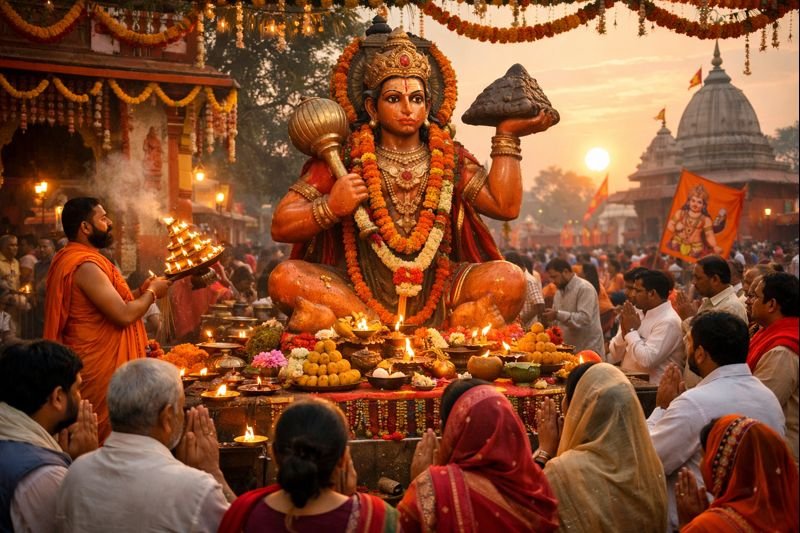
Hanuman Jayanti Celebrated refers to the annual Hindu festival marking the birth of Lord Hanuman, a revered deity known for his extraordinary strength, devotion, and unwavering service to Lord Rama. Across India, this festival is observed with deep faith, vibrant rituals, and joyous gatherings each year. The date on which Hanuman Jayanti Celebrated varies regionally due to differences in lunar calendars and traditions.
When Is Hanuman Jayanti Celebrated?
The exact date of Hanuman Jayanti shifts every year because it follows the Hindu lunar calendar rather than the solar Gregorian calendar used worldwide. In most parts of India, Hanuman Jayanti is celebrated on the full-moon day (Purnima) of the Hindu month of Chaitra — often falling in March or April. In 2026, Hanuman Jayanti Celebrated officially falls on 2 April in many northern states.
Regional Variations In Dates
Different states and communities observe Hanuman Jayanti on varying dates due to unique calendar systems and traditions:
| Region | Date/Month | Reason |
|---|---|---|
| North India | Chaitra Purnima (Full Moon) | Traditional lunar calendar date |
| Telugu States (Andhra Pradesh & Telangana) | Vaishakha month, Bahula Dashami | Telugu calendar observance |
| Karnataka | Margashirsha/Vaishakha (Trayodashi) | Regional tradition |
| Tamil Nadu & Kerala | Dhanu/Margazhi month | Local calendar custom |
| Odisha | Pana Sankranti | Odia New Year alignment |
These variations mean Hanuman Jayanti Celebrated can occur more than once a year depending on cultural context.
History And Significance Of Hanuman Jayanti
Hanuman Jayanti honors the birth of Lord Hanuman, a central figure in the epic Ramayana and a symbol of devotion, courage, and selfless service. Hanuman is known as the son of Anjana and Kesari, and is often called Pavanputra (son of the wind god). His life exemplifies absolute loyalty to Lord Rama, making him one of the most cherished deities in Hinduism.
My Personal Experience Visiting A Hanuman Jayanti Festival
When I visited the famous Hanuman temple in my hometown during Hanuman Jayanti, I was struck by the energy — the air thick with incense, the rhythmic chanting of the Hanuman Chalisa, and devotees offering flowers and sweets. What surprised me was how even those unfamiliar with Hindu traditions stood in awe of the devotion and vibrant colors. I personally recommend attending the morning aarti to feel the festival’s essence fully.
How Hanuman Jayanti Is Celebrated
Hanuman Jayanti Celebrated involves a blend of religious rituals, cultural traditions, and communal activities that reflect deep spiritual meaning for devotees.
Temple Rituals And Worship
Devotees begin the day before sunrise with a ritual bath and wearing clean traditional clothes. Many visit Hanuman temples where priests conduct special pujas and perform aarti (ceremonial worship) with bells and lamps. The Hanuman Chalisa — a devotional hymn praising Lord Hanuman — is recited repeatedly.
Home Worship Practices
Many families worship Lord Hanuman at home by decorating his idol or picture with flowers, applying sindoor (vermillion), offering fruits, sweets like ladoos, and chanting prayers throughout the day. Some devotees observe fasting (vrat) or engage in continuous chanting and meditation to invoke blessings for strength, courage, and peace.
Community Activities
In villages and towns, processions featuring Hanuman idols lead devotees to local temples. Cultural performances, bhajans (devotional songs), and communal feasts strengthen social bonds and spread festive joy. Charitable acts, like distributing food and clothing to the needy, also form a core part of the celebration.
Step-by-Step Instructions To Prepare For Hanuman Jayanti
Preparing for this auspicious festival enhances devotion and ensures meaningful participation. Below is a structured approach to observing Hanuman Jayanti:
- Check the Festival Date: Verify your region’s appropriate date for Hanuman Jayanti Celebrated through a local Hindu calendar or temple notice.
- Clean Your Home Or Temple Space: Perform thorough cleaning, especially around your puja area, one day prior.
- Decorate The Altar: Place an idol or picture of Lord Hanuman, surrounded by fresh flowers and incense.
- Prepare Offerings: Arrange fruits, sweets like ladoos, and water or chana (gram) as prasad (blessed food).
- Chant And Pray: Recite the Hanuman Chalisa and other mantras; maintain focused devotion.
- Visit A Temple: Join scheduled pujas and aarti to experience community worship.
- Practice Charity: Offer food, clothes, or donations to those in need as a way of spreading blessings.
Tips And Best Practices For Observing Hanuman Jayanti
- Arrive early at temples as they fill quickly with devotees during festivals.
- If fasting, ensure you stay hydrated and eat nutritious food once concluding the fast.
- Respect local traditions; celebrations vary across regions, and participating in community practices deepens understanding.
- Bring children to experience the rituals — early involvement builds cultural awareness.
- Take note of auspicious muhurats (timings) announced by trusted priests or official temple boards.
Common Mistakes To Avoid During The Festival
- Skipping the date check: Because the festival date differs by region, never assume the date from another community’s calendar.
- Rushing rituals: Take time for each prayer and offering; devotion matters more than speed.
- Ignoring personal health: If fasting, consult a healthcare provider if you have any health conditions.
- Neglecting temple etiquette: Maintain silence where required and follow queues for aarti.
Frequently Asked Questions (FAQs)
1. Why Is Hanuman Jayanti Celebrated?
Hanuman Jayanti marks the birth of Lord Hanuman, who exemplifies strength, courage, and unwavering devotion to Lord Rama. Devotees celebrate this day to seek his blessings for protection, strength, and success.
2. Is Hanuman Jayanti Celebrated On The Same Date Every Year?
No. The festival date changes yearly because it follows the Hindu lunar calendar. Additionally, Hanuman Jayanti Celebrated on different dates in different regions due to unique calendar traditions.
3. Can I Celebrate Hanuman Jayanti At Home?
Yes, you can celebrate at home with prayers, chanting of Hanuman Chalisa, offerings, and observing a fast or devotional rituals if you wish. Many families practice home worship alongside temple visits.
4. What Should I Offer To Lord Hanuman?
Devotees commonly offer sindoor (vermilion), flowers (especially marigolds), fruits, sweets like ladoos, and water. Many also recite hymns and perform aarti.
5. Are There Any Special Temple Activities?
Yes. Temples often organize special pujas, group chanting sessions, and readings of the Sundara Kanda — a chapter from the Ramayana that focuses on Hanuman’s heroic deeds.


+ There are no comments
Add yours