Importance Of Ugadi Pachadi: Symbolism, Rituals And Life Lessons
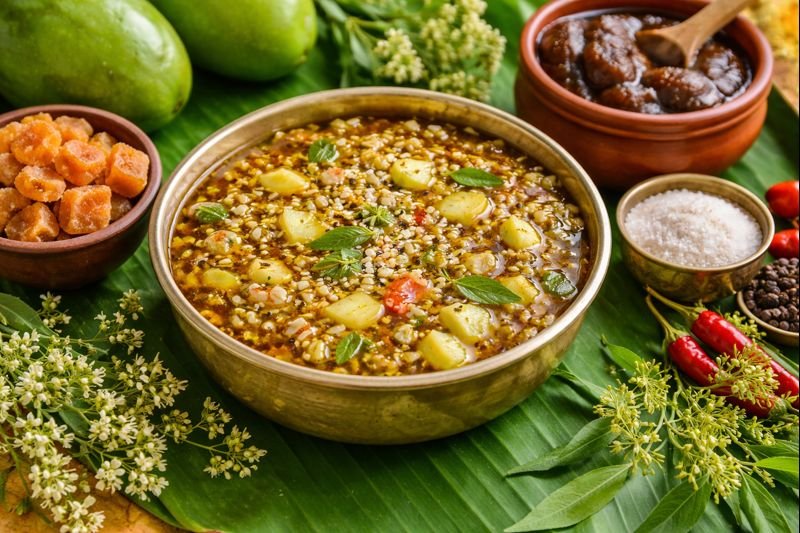
The Importance Of Ugadi Pachadi lies in its deep cultural and philosophical meaning, teaching us through its unique mix of flavours how to face life with equanimity and acceptance. Ugadi Pachadi is a traditional dish prepared during the Hindu New Year festival of Ugadi, celebrated mainly in Andhra Pradesh, Telangana and Karnataka.
On the other hand, when I first visited my grandparents in Andhra Pradesh during Ugadi, I was surprised by how central Ugadi Pachadi was to the day’s rituals — it wasn’t just food, it was a meaningful lesson served in a bowl. This dish combines six very different tastes to represent six life experiences.
What Is Ugadi Pachadi?
Ugadi Pachadi is more than a festive dish; it is a symbolic representation of life’s varied experiences. Prepared traditionally on the day of Ugadi — the first day of the Hindu lunisolar calendar month of Chaitra — it is often the first thing consumed on Ugadi morning. Understanding Importance Ugadi Pachadi is essential.
It blends six flavours — sweet, sour, salty, bitter, spicy, and tangy — using ingredients such as jaggery, tamarind, raw mango, neem flowers, black pepper and salt. Each of these tastes corresponds to different emotional states and aspects of human life.
Historical And Cultural Context Of Ugadi
The festival of Ugadi itself marks the New Year for Telugu and Kannada communities and is derived from the Sanskrit words “Yuga” (era) and “Adi” (beginning), meaning the start of a new age.
Moreover, on this day, people decorate their homes, wear new clothes, visit temples, and clean their households — all practices that symbolise purification, renewal, and a fresh start. Ugadi is also linked mythologically to Lord Brahma’s creation of the universe. This relates to Importance Ugadi Pachadi.
Detailed Symbolism In Ugadi Pachadi
Every ingredient in Ugadi Pachadi plays a role in teaching us an important lesson about life’s complexity and inevitability of different experiences.
| Flavour | Ingredient | Life Experience Represented |
|---|---|---|
| Sweet | Jaggery | Happiness and joy |
| Sour | Tamarind | Disappointments or challenges |
| Bitter | Neem Flowers | Sadness and hardship |
| Tangy/Astringent | Raw Mango | Unexpected events and surprises |
| Spicy | Black Pepper/Chili | Anger or intensity |
| Salty | Salt | Life’s grounding reality |
These flavours remind us that life is a blend of experiences — not only of joy, but also sorrow, challenges, surprises and determination.
Step-By-Step Ugadi Pachadi Preparation
While the emphasis of Ugadi Pachadi is symbolic, preparing it can be straightforward. Below are general steps based on traditional methods: Learn more about Importance Ugadi Pachadi.
Ingredients You Need
Typical ingredients include tamarind pulp, jaggery, finely chopped raw mango, neem flowers, black pepper or green chilli and salt. The proportions can vary slightly by household custom.
Step-By-Step Instructions
1. Soak a small piece of tamarind in warm water to soften and extract the juice.
2. Dissolve cut jaggery in a little water; strain to remove impurities. This relates to importance ugadi pachadi.
3. Combine the tamarind extract and jaggery syrup in a bowl.
4. Add chopped raw mango and cleaned neem flowers.
5. Season with salt and pepper (or chilli) and stir well. This relates to importance ugadi pachadi.
6. Serve as part of the Ugadi feast — preferably before other dishes, symbolising the first experience of the New Year.
Tips And Best Practices
✔ Choose neem flowers that are fresh and clean for the best bitterness representation.
✔ Adjust jaggery and salt to balance flavours without overpowering one taste. This relates to importance ugadi pachadi.
✔ Prepare ingredients ahead of time to make the assembly easier on Ugadi morning.
In contrast, ✔ Respect the symbolic act of offering the pachadi to deities or elders first, reinforcing its spiritual significance.
Common Mistakes To Avoid
✖ Adding too much of one flavour — this undermines the balanced life lesson Ugadi Pachadi conveys and makes the dish less meaningful. This relates to importance ugadi pachadi.
✖ Skipping neem flowers entirely because of bitterness — while challenging to taste, they carry essential symbolism.
On the other hand, ✖ Preparing Ugadi Pachadi too late in the day — given its role as a symbolic first food of the year, early preparation is preferable.
Personal Reflections On Ugadi Pachadi
When I observed the Ugadi rituals at a friend’s home in Telangana, I was struck by how seriously even children took the act of tasting the Ugadi Pachadi. With eyes closed, they tried to identify the six flavours before opening their eyes, a playful yet profound embodiment of learning to recognise life’s emotions. It was clear how this dish connects tradition, food and philosophy in one simple ritual. This relates to importance ugadi pachadi.
Health Benefits Of Ugadi Pachadi Ingredients
According to nutrition perspectives found in traditional and Ayurvedic contexts, individual ingredients in Ugadi Pachadi — such as tamarind, jaggery, neem flowers and raw mango — have benefits like aiding digestion, supporting immunity and preparing the body for the seasonal shift from winter to spring.
Frequently Asked Questions (FAQ)
Why Is Ugadi Pachadi Important?
Ugadi Pachadi encapsulates the essence of life’s emotional process, reminding us to accept happiness, challenges, sorrow and excitement equally.
Can Ugadi Pachadi Be Made Without Certain Ingredients?
While the traditional recipe includes all six tastes, sometimes substitutes like soaked fenugreek seeds can replace neem for bitterness if unavailable. This relates to importance ugadi pachadi.
Is Ugadi Pachadi Only Eaten On Ugadi?
It is predominantly prepared and consumed on Ugadi as part of the festival rituals, though leftovers may be enjoyed later.
Does Ugadi Pachadi Have Religious Significance?
Yes — it is traditionally offered first to deities and elders as prasad before being eaten, symbolising respect, renewal, and spiritual reflection.
How Does Ugadi Pachadi Connect To The New Year?
Just as Ugadi signifies a new beginning, Ugadi Pachadi’s mixture of tastes reminds us that the new year will bring a variety of experiences, and we should greet them with balance and grace.
Furthermore, to summarize, the Importance Of Ugadi Pachadi lies not only in its flavours but in its philosophy — it stands as a culinary reminder that life is richly textured, with both joys and trials that shape our process.
Learn more about Ugadi Festival and its rituals to understand how this dish fits into the broader celebration of cultural renewal.


+ There are no comments
Add yours