Lakshmi Ganapati Pooja is the worship of a rare and beautiful form of Lord Ganesha who carries both wealth and wisdom in the same hands. Many devotees search for it expecting a Diwali ritual, yet the tradition points to something older and more specific. Because many people confuse this form with the general Lakshmi-Ganesh worship of Deepavali, this guide clears up what it actually is, why it matters, and how you can honour it correctly at home.
Sri Vyasa Pooja is an independent devotional guide. We are not affiliated with any temple, mutt, or trust, and we do not take bookings, donations, or payments. For any sponsored ritual or homam, please consult a qualified priest directly.
Quick Facts at a Glance
- Deity: Lakshmi Ganapati, one of the thirty-two forms of Lord Ganesha described in the Mudgala Purana.
- Known as: “Ganapati the Fortunate” — the wealth-and-wisdom aspect of Ganesha.
- Blessings sought: prosperity, intelligence, success, and a stable, peaceful home.
- Best day: Devotees favour Friday, while Sankashti Chaturthi and the Punarvasu star also suit this worship.
- Core rule: Worshippers always invoke Ganesha first, so this form fits naturally at the start of any prosperity worship.
Who Is Lakshmi Ganapati?
Lakshmi Ganapati is a distinct form of Lord Ganesha traditionally listed among his thirty-two forms of Ganesha, and he embodies fortune, learning, and prosperity together. He appears fair or white in complexion, seated calmly with eight arms. This is why devotees call him “Ganapati the Fortunate.”
Old texts place him around the twelfth position in the list of thirty-two, although the exact order shifts slightly from one scripture to another. In this form two goddesses flank the Lord on his thighs, and most sources name them Siddhi (achievement) and Buddhi (wisdom). Both hold white lotus flowers, so the whole image radiates calm abundance.
His hands hold a green parrot, a pomegranate, a sword, a noose, an elephant goad, a sprig of the Kalpavriksha wish-fulfilling tree, and a water vessel, while one hand rests in the boon-granting Varada Mudra. Each object carries meaning, since the pomegranate signals plenty and the parrot signals joyful speech. Because he holds both material and spiritual symbols, devotees worship him for balance, not just money.
The Significance of Lakshmi Ganapati Pooja
The significance of Lakshmi Ganapati Pooja lies in a simple idea: wealth without wisdom rarely lasts. This form joins the abundance of Goddess Lakshmi with Ganesha’s clarity, so devotees pray for money they earn, keep, and use well. That combined blessing sets this worship apart from a plain wealth ritual.
In the devotional tradition, Ganesha removes obstacles before any new venture, while Lakshmi brings the fortune that follows. When one murti honours both energies, worshippers believe the path to success stays clear and steady. Naturally, these outcomes remain matters of faith and inner discipline rather than guaranteed results.
There is also a deeper cultural point here. Saint Adi Shankara established Ganapatyam, the worship of Ganesha, as one of the six principal paths of Hindu devotion. So worshipping a wealth-giving form of Ganesha keeps a devotee inside a very old and respected stream of practice.
Lakshmi Ganapati vs the Diwali Lakshmi-Ganesh Puja
These two are not the same thing, even though search results often mix them up. Lakshmi Ganapati is a single unified form of Ganesha, whereas the Diwali ritual worships two separate deities, Goddess Lakshmi and Lord Ganesha, side by side. Knowing the difference helps you set up the altar correctly.
During Deepavali, families place a Lakshmi idol and a Ganesha idol together and perform Lakshmi Puja on Amavasya night. That festival observance follows a specific date. Lakshmi Ganapati worship, by contrast, suits any auspicious day because it honours one deity, not a calendar event.
| Worship | What it honours | Typical timing |
|---|---|---|
| Lakshmi Ganapati | One form of Ganesha (wealth + wisdom) | Any auspicious day; Friday favoured |
| Maha Ganapati | The great ten-armed form of Ganesha | Ganesh festival days, special homams |
| Diwali Lakshmi-Ganesh Puja | Two deities, Lakshmi and Ganesha, together | Deepavali Amavasya night |
The Mantra and Dhyana Shloka
Mantras form the heart of this worship, so learn one before you begin. The dhyana shloka describes the Lord’s form and invites his presence. A widely chanted opening line runs: “Bibhrana shukra-bijapuraka…”, which praises Ganapati the Fortunate embracing his consorts.
Alongside the dhyana verse, devotees chant the Ganapati Gayatri: “Om Ekadantaya Vidmahe, Vakratundaya Dhimahi, Tanno Dantih Prachodayat.” This short mantra suits beginners because it stays easy to memorise. Chant it with a steady breath, since rushed recitation breaks concentration.
If you want a single seed sound, the bija “Gam” forms the core syllable of Ganesha worship. Repeat it in sets of nine or a full mala of 108 when time allows. Even a few sincere rounds count, so do not worry about perfect Sanskrit on your first attempt.
How to Perform Lakshmi Ganapati Pooja at Home
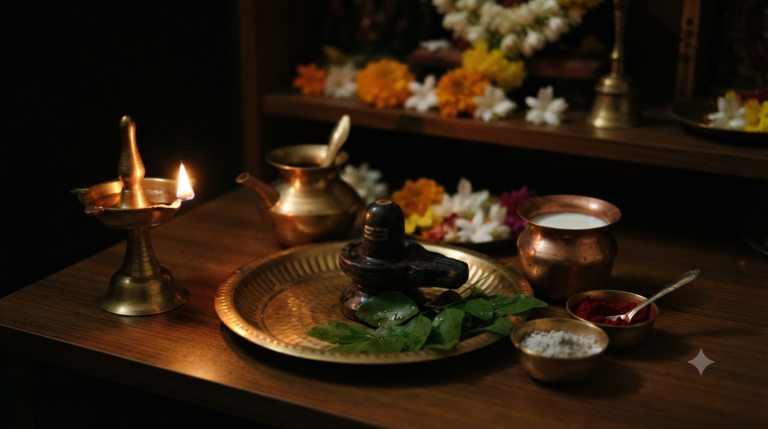
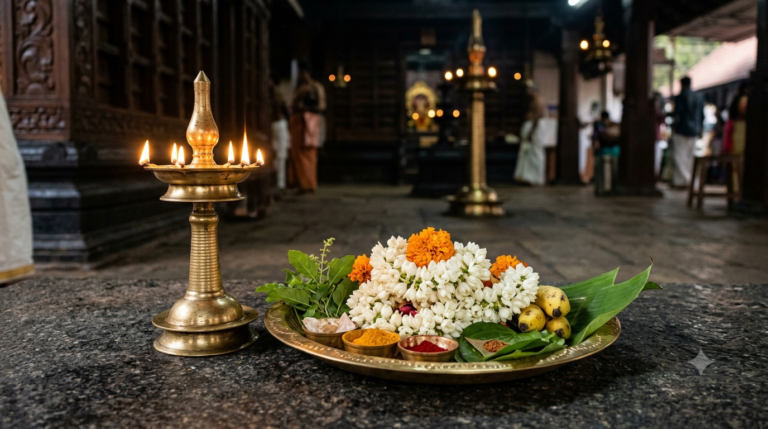
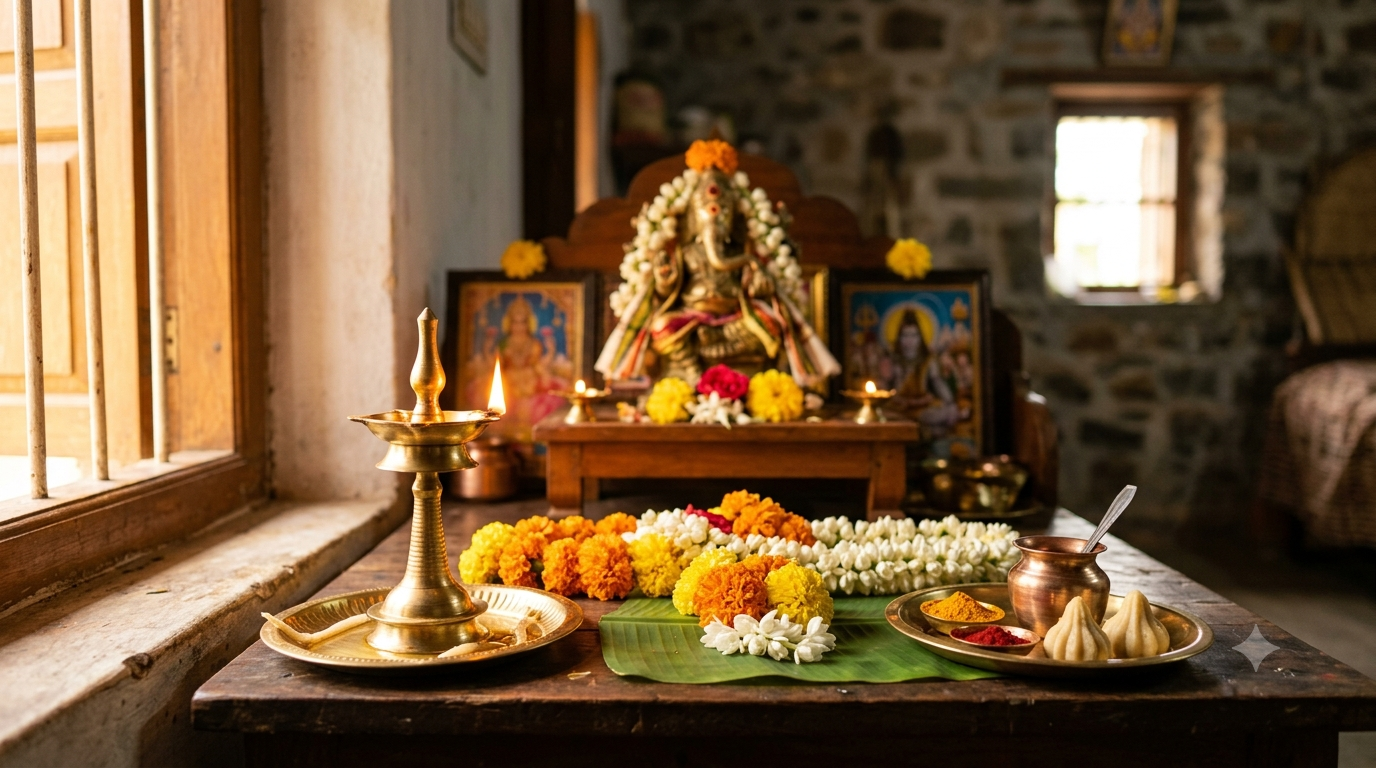
Performing Lakshmi Ganapati Pooja at home needs cleanliness, a lamp, and a calm mind more than expensive items. Set up a small altar, invoke Ganesha first, offer the traditional services you can manage, and close with aarti. The steps below give a simple sequence anyone can follow.
- Clean the pooja space and bathe before you start, because purity sets the tone.
- Place a Lakshmi Ganapati picture or a Ganesha idol on a wooden seat with fresh cloth.
- Light a lamp and an incense stick, then sprinkle a little water to purify the area.
- Take a sankalpa, a short vow that states your intention with sincerity.
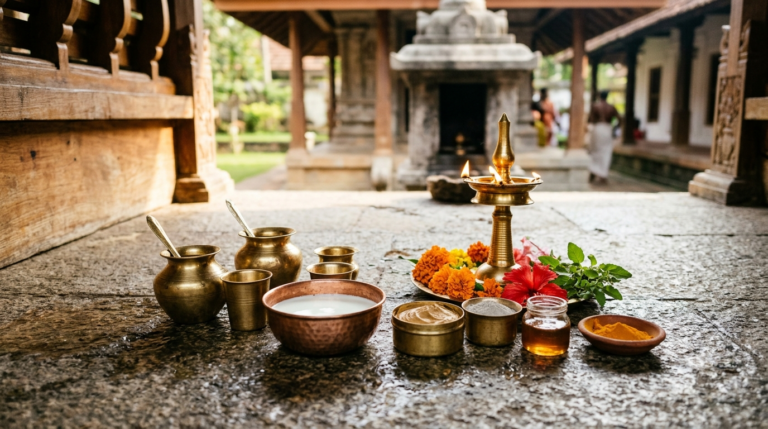
- Invoke the Lord with the dhyana shloka and offer flowers, turmeric, kumkum, and durva grass.
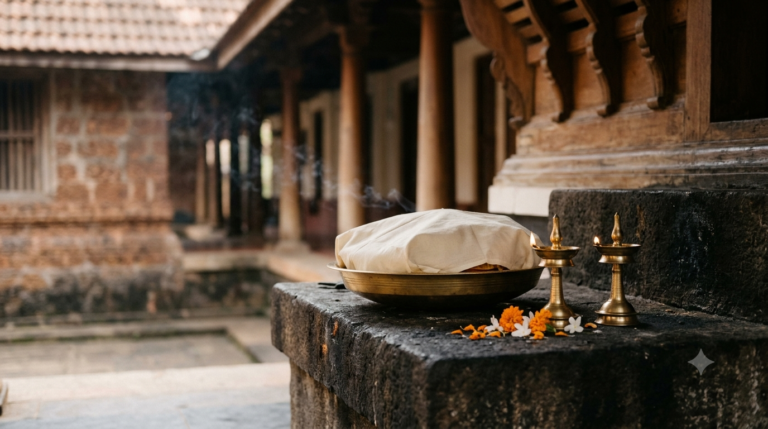
- Offer a naivedyam of modak, jaggery, or fruit, since sweets stay dear to Ganesha.
- Chant the Ganapati Gayatri or the “Gam” bija for as many rounds as you can.
- Finish with camphor aarti, then share the prasadam with your family.
Keep the ritual short and heartfelt if you are new. A rushed hour helps less than ten focused minutes. Whenever you feel unsure of a step, a local priest can guide the finer details.
Best Day and Time for the Pooja
The best day for Lakshmi Ganapati Pooja is generally Friday, the day that links to prosperity and the divine feminine. Sankashti Chaturthi, the fourth lunar day dedicated to Ganesha, makes another strong choice. The Punarvasu star also connects traditionally with this form.
Morning hours during Brahma Muhurta suit most households, although a clean evening lamp works well too. Avoid the inauspicious windows of Rahu Kalam and Yamagandam when you fix your time. Because these windows change daily, check a reliable panchang before you plan.
You do not need a festival to begin. Since this worship centres on one deity, any auspicious morning with a settled mind is enough. Consistency over weeks matters more than one grand session.
Benefits of Lakshmi Ganapati Pooja
Devotees turn to Lakshmi Ganapati Pooja for a blend of material and inner rewards. In the tradition, devotees believe the worship draws wealth, sharpens intelligence, and steadies the mind for better decisions. Tradition holds these as fruits of faith, so treat them as spiritual encouragement rather than assured outcomes.
Many families adopt this worship when starting a business, clearing debts, or seeking harmony at home. Devotees also invoke this form before homams, because Ganesha receives the first honour in every fire ritual. That is why the name appears so frequently in prosperity ceremonies, and it pairs well with observances like the Vaibhava Lakshmi Vratam.
Beyond results, the practice builds discipline. When you light a lamp daily and chant with care, your attention improves on its own. So even a sceptical newcomer gains a calmer routine from the effort, and over the weeks that steadiness becomes its own quiet reward.
The Homam: What to Know
A homam is a fire ceremony, and it remains the most elaborate way to honour this form. Most priests recommend Friday, while the Punarvasu star adds strength to the timing. An experienced priest leads the chanting, since the mantras and offerings follow a strict order. You can read more in this guide to the Ganapati Homam.
During the homam, the priest performs Ganapati puja first, then offers oblations into the sacred fire with the Lakshmi Ganapati mantras. He offers sweets and naivedyam at the close, and aarti completes the rite. Because the rite uses a real fire, keep water nearby, ensure good ventilation, and never leave the flame unattended.
You can also perform a simple home version without a formal fire, using a lamp and mantras alone. This keeps the practice safe for elderly members and small flats. For a full homam, a trained purohit remains the right choice.
Mistakes to Avoid With This Worship
The most common mistake treats this as a money machine. The tradition frames wealth as a blessing that follows good conduct, so greed misses the point entirely. Approach the worship with gratitude, and the practice stays healthy.
Another frequent slip skips Ganesha’s invocation and jumps straight to Lakshmi. In every prosperity ritual, Ganesha comes first as the remover of obstacles. Also, do not chase costly kits online when a clean lamp, flowers, and a sincere mantra achieve the same devotion.
Finally, be wary of websites that promise guaranteed results for a fee or ask for personal details to “unlock” a blessing. Genuine worship needs no such payment. When in doubt, learn from a known priest or a trusted family elder instead.
Before You Begin
Lakshmi Ganapati Pooja rewards sincerity far more than spectacle, so start small and stay regular. Honour Ganesha first, chant a simple mantra, and keep your altar clean and calm. If you want a deeper ceremony later, a homam under a qualified priest makes a natural next step. Above all, treat the blessings as a matter of faith and discipline, and let the daily practice shape a steadier, more grateful mind.
Frequently Asked Questions
What is Lakshmi Ganapati Pooja?
Lakshmi Ganapati Pooja is the worship of Lakshmi Ganapati, a form of Lord Ganesha who grants both wealth and wisdom. You honour it with a lamp, mantras, and simple offerings. Devotees perform it for prosperity, clear thinking, and a peaceful home.
Is this the same as the Diwali Lakshmi-Ganesh puja?
No, they differ. Lakshmi Ganapati is a single unified form of Ganesha, while the Diwali ritual worships two separate deities together. The Diwali puja falls on Amavasya night, whereas devotees can honour Lakshmi Ganapati on any auspicious day.
Which day is best for Lakshmi Ganapati Pooja?
Most devotees pick Friday because it connects with prosperity. Sankashti Chaturthi and the Punarvasu star also suit the worship. Morning hours during Brahma Muhurta help most households, so check a panchang to avoid Rahu Kalam.
What mantra is chanted for this form?
The Ganapati Gayatri, “Om Ekadantaya Vidmahe, Vakratundaya Dhimahi, Tanno Dantih Prachodayat,” makes a popular choice. Devotees also chant the seed sound “Gam” and the Lakshmi Ganapati dhyana shloka. Beginners can start with the Gayatri, since it stays easy to remember.
What are the benefits of Lakshmi Ganapati Pooja?
In the devotional tradition, devotees believe this worship brings wealth, intelligence, success, and inner calm. Many perform it before starting a business or clearing debts. These remain matters of faith, so treat them as spiritual encouragement rather than guaranteed results.
Can I perform the pooja at home without a priest?
Yes, a simple home worship with a lamp, flowers, and a mantra works perfectly well. Invoke Ganesha first, offer a sweet naivedyam, and finish with aarti. For a full fire homam, however, an experienced priest should guide the ritual.
Where does this form rank among Ganesha’s 32?
Lakshmi Ganapati ranks among the thirty-two forms of Ganesha that the Mudgala Purana describes. Tradition usually places him around the twelfth position, though the exact order varies by text. Each of the thirty-two forms carries a distinct blessing.
Do I need an expensive pooja kit for this worship?
No, you do not. A clean space, a lamp, turmeric, kumkum, flowers, and a sincere mantra suffice. Avoid sites that push costly kits or promise guaranteed results for a fee, because devotion does not require them.