Mannettina Amavasya 2026 falls on May 16, a sacred day farmers in Karnataka, Andhra Pradesh and Telangana worship clay bullocks. See timings and rituals here.
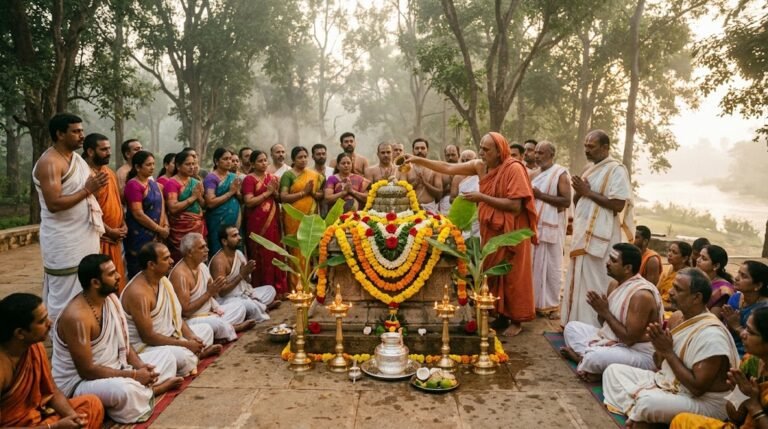
Mannettina Amavasya 2026 falls on Saturday, May 16, a day when farming families across North Karnataka, Telangana, Andhra Pradesh, and parts of Maharashtra bring home small clay bullocks, place them on a freshly cleaned puja platform, and offer their first prayers of the monsoon season. Most temple websites list it under Jyeshtha Amavasya, but villagers know it by its working name — the new moon of the mud bulls. This year, the festival arrives loaded with spiritual weight, sharing the tithi with Shani Amavasya, Shani Jayanti, and Vat Savitri Vrat. Below, you will find the exact panchang timings, the full puja vidhi, the regional traditions, and the farming wisdom that turns this small festival into one of the most heartfelt celebrations of the agricultural year.
Quick Summary at a Glance
- Festival: Mannettina Amavasya (also called Mannenethina Amavasya or Mruttika Vrushabha Pooja)
- Date in 2026: Saturday, May 16, 2026
- Tithi Begins: 5:11 AM, May 16, 2026 (IST)
- Tithi Ends: 1:30 AM, May 17, 2026 (IST)
- Hindu Month: Jyeshtha Krishna Paksha Amavasya
- Regions: North Karnataka, Telangana, Andhra Pradesh, parts of Maharashtra
- Main Ritual: Worship of clay bullocks (Basava swarupa) and a handful of soil
- Special in 2026: Coincides with Shani Amavasya and Shani Jayanti
What Is Mannettina Amavasya 2026?
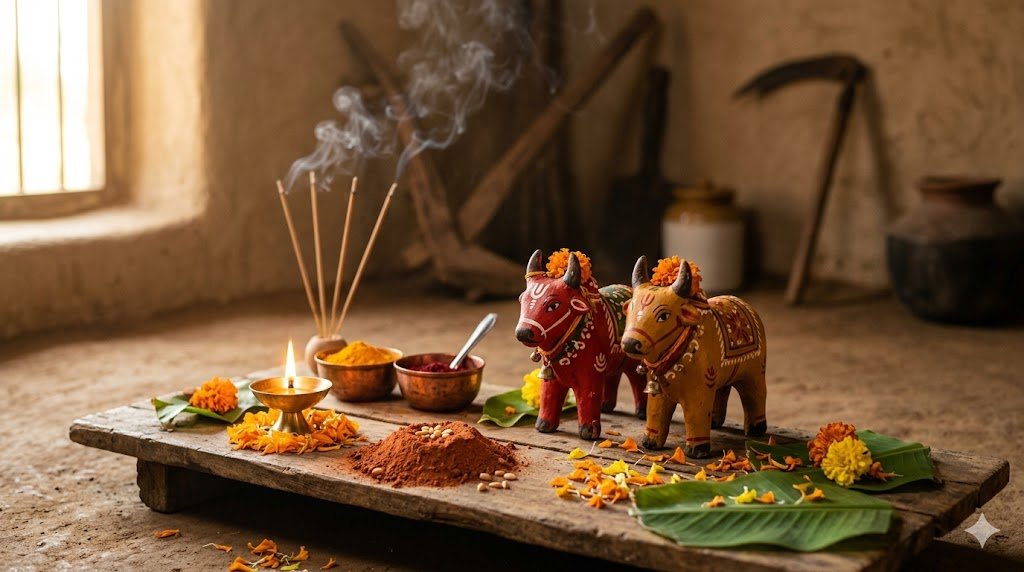
Specifically, Mannettina Amavasya is the Jyeshtha Krishna Paksha new moon when farmers worship a pair of bullocks made from clay. The Kannada word “mannu” means soil, and “ettu” means bullock. Together, the name translates to “the new moon of the clay bullocks.”
Furthermore, the festival arrives just after Kara Hunnime, the Jyeshtha full moon dedicated to live cattle. Both observances form a pair — Kara Hunnime honors the working bullocks in the field, while Mannettina Amavasya honors their symbolic form in clay. Together, they bookend the monsoon-onset rituals of the Deccan farming calendar.
Why the Bullock Is Sacred
For a Deccan farmer, a pair of bullocks is the engine of the entire agricultural cycle. Moreover, every stage — tilling, sowing, threshing, transporting — depends on these animals. Older farmers in Kalaburagi and Raichur often say their bullocks are dearer to them than their own children.
Therefore, the worship goes deeper than ritual. It is a public acknowledgment of debt — a reminder that food on the plate begins with soil and the animal that turns it.
Mannettina Amavasya 2026 Date and Tithi Timings
According to Drik Panchang and major Indian almanacs, here are the verified panchang timings for May 2026:
| Detail | Timing (IST) |
|---|---|
| Tithi Begins | 5:11 AM, Saturday, May 16, 2026 |
| Tithi Ends | 1:30 AM, Sunday, May 17, 2026 |
| Total Duration | 20 hours 19 minutes |
| Festival Observance Day | Saturday, May 16, 2026 |
| Brahma Muhurta (Bath Time) | 4:08 AM – 4:50 AM |
| Best Puja Window | 6:00 AM – 11:00 AM |
Notably, the tithi covers the full daylight of Saturday, which makes the day suitable for all rituals from morning bath to evening lamp lighting. For local timings outside India, devotees should check a city-specific panchang.
City-Wise Sunrise Timings on May 16, 2026
| City | Sunrise | Sunset |
|---|---|---|
| Bengaluru | 5:55 AM | 6:42 PM |
| Hyderabad | 5:42 AM | 6:39 PM |
| Vijayawada | 5:32 AM | 6:28 PM |
| Kalaburagi | 5:55 AM | 6:55 PM |
| Raichur | 5:48 AM | 6:45 PM |
| Mumbai | 6:04 AM | 7:04 PM |
Why Mannettina Amavasya 2026 Is Especially Powerful
Additionally, the 2026 edition of this festival carries a rare triple confluence that older devotees describe as a once-in-several-years opportunity. Three significant observances fall on the same tithi this year.
Triple Auspicious Confluence
- Shani Amavasya: Because May 16 is a Saturday, the day is also Shani Amavasya — ideal for offering mustard oil and black sesame to Lord Shani.
- Shani Jayanti: Jyeshtha Amavasya is celebrated as the birth anniversary of Lord Shani. Hence, devotees flock to Shani temples like Shani Shingnapur in Maharashtra.
- Vat Savitri Vrat: Married women across North India and parts of Maharashtra observe Vat Savitri on this same day, tying threads around the peepal or banyan tree.
For farming families, this confluence is unusual. Generally, Mannettina Amavasya falls on weekdays. The Saturday alignment in 2026 means the day doubles as a powerful pitru tarpana day in addition to the agrarian celebration.
The Story Behind the Mud Bulls
Originally, the tradition emerged in agrarian villages where every household kept at least one pair of working bullocks. Yet families without livestock — landless farm workers, urban relatives, potters, weavers — also wanted to participate in the worship. So the clay substitute came into being.
Furthermore, the practice carries a quiet philosophical message. The mud bullock reminds the worshipper that soil and the animal are one inseparable unit. Without soil there is no bullock, and without the bullock the soil cannot be turned into food.
The Role of the Potter Community
For weeks before the festival, kumbara families in towns across Karnataka shape thousands of small clay bullock pairs. Markets in Kalaburagi, Raichur, Bidar, Vijayapura, and Mahbubnagar fill with these brightly painted figurines.
However, potters often note that despite high demand, the work is loss-making. A pair sells for roughly ₹30 to ₹80, and many families still ask the potter for an extra handful of clay free of charge — because the soil itself must be worshipped alongside the bull.
Mannettina Amavasya 2026 Puja Vidhi: Step-by-Step
Below is the traditional ritual sequence, drawn from how farming families in North Karnataka and Telangana have observed this day for generations.
- Wake up before sunrise and complete a full bath, ideally during Brahma Muhurta (4:08 AM to 4:50 AM on May 16).
- Clean the pooja area with cow dung paste or fresh water. Lay a clean cloth or a wooden plank.
- Place the clay bullocks in pairs facing east. Many families place 2 or 5 pairs depending on the size of the family or land holding.
- Place a small mound of soil beside the bullocks. This soil is often taken from the family field.
- Offer haldi, kumkum, and akshintalu (turmeric-coated rice) on the clay bulls and the soil mound.
- Decorate the bullocks with small flowers, usually marigold, jasmine, or wild seasonal blooms.
- Light a ghee lamp and incense. Then chant the Rishabham mantra: “Om Rishabham Maa Samananam Sapathnanam Vishasahim…”
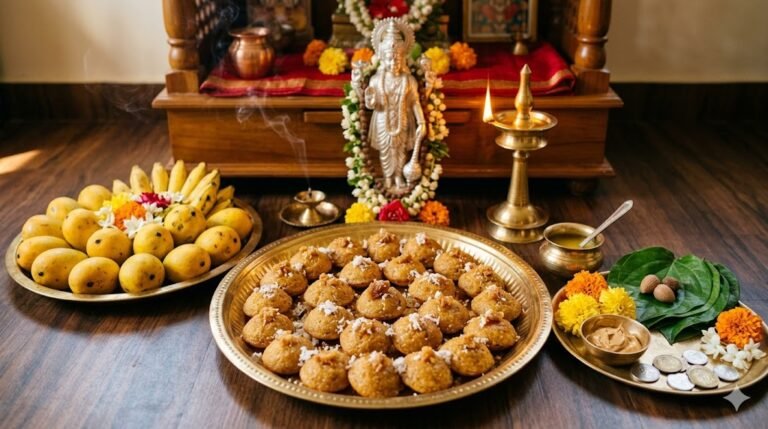
- Offer naivedyam: kadabu (steamed sweet dumplings), karadakadubu, holige, hesarubele payasa, or simple jaggery rice.
- Perform aarati with a camphor flame and circle the bullocks three times.
- Distribute prasadam to family members and neighbours, especially children.
- Immerse the clay bullocks in the family well, a nearby pond, or a flowing river by evening — returning the soil to the earth.
Special Tarpana on Saturday
Since the 2026 date falls on Shani Amavasya, families with pitru dosha or kalasarpa dosha are advised to add a brief pitru tarpana ritual after the bullock puja. As a result, many devotees in Andhra Pradesh and Telangana also visit local rivers like the Krishna, Tungabhadra, or Godavari for a holy dip.
Regional Traditions Across States
Although the core ritual stays the same, regional flavours add colour to the festival.
North Karnataka
In districts like Kalaburagi, Raichur, Bidar, Vijayapura, and Bagalkot, Mannettina Amavasya is one of the biggest farming festivals of the year. Families decorate even their live bullocks with turmeric, kumkum, bells, and coloured ribbons. Children carry the clay bullocks to the field for a symbolic blessing.
Telangana
In Telangana, especially in districts like Mahbubnagar, Wanaparthy, Nagarkurnool, and Nalgonda, the day is locally called Mannenu Amavasya or Yedula Amavasya. Specifically, “yedlu” or “yedulu” in Telugu means a pair of bullocks.
Andhra Pradesh
In Rayalaseema regions like Kurnool, Anantapur, and Kadapa, farmers tie a small clay bull at the threshold of the cattle shed. Likewise, the soil from the field is treated as Bhoodevi and offered the first sip of water before any sowing begins.
Maharashtra Border Regions
In Solapur and parts of Latur close to Karnataka, Marathi-Kannada bilingual families observe a hybrid version that connects this day with the upcoming Bail Pola festival in Bhadrapada Amavasya — together forming a yearly bullock-honoring cycle.
Why Farmers Time This Festival to the Monsoon
Specifically, Mannettina Amavasya marks the official switch from summer rest to monsoon work. Crucially, the southwest monsoon usually reaches the Deccan plateau between June 5 and June 12 — about three to four weeks after the Jyeshtha Amavasya. This buffer period gives farmers time to prepare equipment, repair plows, and condition the bullocks for fieldwork.
In 2026, the IMD forecasts a normal-to-above-normal southwest monsoon, which makes the ritual even more emotionally charged. As a result, every farming family will be praying for timely rain, healthy bullocks, and a successful kharif sowing.
What to Eat on Mannettina Amavasya
The food on this day reflects the start-of-monsoon mood — cooling, jaggery-based, and grain-rich. Below are the most common naivedyam dishes.
| Dish | Region | Significance |
|---|---|---|
| Karadakadubu | North Karnataka | Sweet steamed dumpling, symbolic of abundance |
| Holige (Obbattu) | Karnataka, AP | Festive sweet flatbread with jaggery and chana dal |
| Hesarubele Payasa | Karnataka | Moong dal kheer, cooling for summer |
| Jonna Roti | Telangana, Rayalaseema | Sorghum flatbread, the staple farmer grain |
| Kadabu | Karnataka | Sweet stuffed dumpling, often offered first to bullocks |
| Pulihora | Andhra Pradesh, Telangana | Tamarind rice, easy to carry to the field |
Mannettina Amavasya Pooja Samagri Checklist
Furthermore, here is a simple checklist to keep ready by the evening of May 15, 2026.
- Pair of clay bullocks (2 to 5 pairs)
- A handful of clean field soil
- Turmeric (haldi) and kumkum
- Akshintalu (turmeric-coated rice)
- Fresh flowers — marigold, jasmine, or any seasonal bloom
- Ghee lamp and oil lamp with cotton wicks
- Camphor and incense sticks
- Coconut and betel leaves with areca nuts
- Banana, jaggery, and a small bowl of curd
- Naivedyam dishes prepared at home
- A clean cloth or wooden plank for placement
- Small bell for aarati
Common Mistakes to Avoid
Even experienced devotees occasionally slip on small details. Above all, here are the mistakes that elders often correct.
- Skipping the soil offering — the soil is as important as the bullock and should never be omitted.
- Buying bullocks from a non-traditional potter — try to source from a local kumbara family, since the act supports the artisan ecosystem.
- Throwing the bullocks in the trash after puja — they must be returned to water or earth, never to a dustbin.
- Skipping the live bullock blessing — if you keep cattle, decorate and feed them on the same day.
- Performing the puja after sunset — although the tithi extends past midnight, daytime worship is preferred.
- Forgetting to include children — this is a generational festival meant to teach reverence for soil and animal labour.
Insider Tips From Long-Time Devotees
For instance, families in Bagalkot have a beautiful tradition of placing the clay bullocks on a freshly cooked mound of holige before the puja begins. Likewise, women in Telangana tie a small turmeric thread around the bullock’s neck, mirroring the mangalsutra ritual.
Notably, in Kalaburagi villages, the youngest child of the household is given the honour of bringing the clay bullocks home from the market. Many families believe this teaches the next generation to see farming as a sacred responsibility.
Mannettina Amavasya vs Other Cattle Festivals
Hindu agrarian culture has multiple cattle-honoring festivals across the year. Here is how they compare.
| Festival | When | What Is Worshipped |
|---|---|---|
| Kara Hunnime | Jyeshtha Purnima (May–June) | Live working bullocks |
| Mannettina Amavasya | Jyeshtha Amavasya (May–June) | Clay bullocks and soil |
| Bail Pola | Bhadrapada Amavasya (Aug–Sep) | Live decorated bullocks (Maharashtra) |
| Mattu Pongal | Thai month (January) | Cattle in Tamil Nadu |
| Govardhan Puja | Kartika Shukla Pratipada (Oct–Nov) | Cattle and Krishna’s lifting of Govardhan |
Spiritual Meaning Beyond the Ritual
Above all, the deeper meaning of Mannettina Amavasya lies in interdependence. The farmer depends on the bullock, the bullock depends on the soil, the soil depends on rain, and the rain depends on natural cycles that no human controls.
Hence, by worshipping clay — the most ordinary substance in the field — the tradition reminds the devotee that nothing is too humble to be sacred. As a result, the festival continues to resonate with urban families who buy clay bullocks from city markets in Bengaluru, Hyderabad, and Vijayawada.
What Forecast Trends Suggest
Interestingly, the festival is seeing a small revival in cities. Pottery cooperatives in Karnataka have reported a 15-20% rise in pre-orders over the last three years. Furthermore, eco-conscious families now prefer clay bullocks over plastic ones for festivals like Ganesh Chaturthi, and that mindset is spilling into Mannettina Amavasya as well.
The Bottom Line
Mannettina Amavasya 2026, falling on Saturday, May 16, is one of the rare days when soil, animal, and human gather around the same lamp. The triple auspicious alignment with Shani Amavasya, Shani Jayanti, and Vat Savitri Vrat makes this year’s observance especially powerful. Therefore, even if you live in a city, consider buying a small pair of clay bullocks from a local potter, placing them with a handful of soil, and offering a simple aarati. The act takes ten minutes, costs less than ₹100, and connects you to a 1,000-year-old farming wisdom that fed generations before us.
Frequently Asked Questions
What is the date of Mannettina Amavasya 2026?
Mannettina Amavasya 2026 falls on Saturday, May 16, 2026. The Amavasya tithi begins at 5:11 AM on May 16 and ends at 1:30 AM on May 17 (IST). The full daytime of May 16 is suitable for all rituals.
Why is it called Mannettina Amavasya?
The name combines two Kannada words: “mannu” (soil) and “ettu” (bullock). The festival is named after the practice of worshipping a pair of bullocks made from clay along with a handful of soil. It is also called Mruttika Vrushabha Pooja in Sanskrit-influenced regions.
Is Mannettina Amavasya the same as Jyeshtha Amavasya?
Yes. Mannettina Amavasya is the regional name (used in North Karnataka, Telangana, and Andhra Pradesh) for Jyeshtha Krishna Paksha Amavasya. The same day is observed as Shani Jayanti and Vat Savitri Vrat in other regions of India.
Can urban families without farms celebrate Mannettina Amavasya?
Absolutely. Urban families can buy small clay bullock pairs from local potters or market vendors during the week before the festival. The puja can be done on a small wooden plank at home, and the clay bullocks can be immersed in any flowing water or buried in a garden afterwards.
What food should be offered as naivedyam on this day?
Traditional offerings include karadakadubu, kadabu, holige (obbattu), hesarubele payasa, jonna roti, and pulihora. Most families also offer fresh fruits, jaggery, and curd. Sweet dishes are preferred because the festival celebrates abundance and the upcoming sowing season.
Is Mannettina Amavasya a public holiday?
No, Mannettina Amavasya is not a declared public holiday in any Indian state. However, schools and offices in many North Karnataka and Telangana villages observe it informally, and most farming families take the day off from fieldwork to perform the puja.
Why does this festival fall on Amavasya and not Purnima?
The choice of Amavasya is symbolic. The new moon represents new beginnings, much like the start of the kharif sowing season. Just as the moon will grow full again over the next 15 days, the field is expected to flourish with the arrival of the southwest monsoon.
You May Also Like
- Kara Hunnime 2026: Date, Significance, and How Farmers Worship Bullocks
- Shani Jayanti 2026: Date, Timings, Puja Vidhi and Remedies for Shani Dosha
- Vat Savitri Vrat 2026: Story, Rituals and Benefits for Married Women
- Bail Pola 2026: The Maharashtra Festival That Honors Working Bullocks