Prathama Ekadashi date 2026 falls on Saturday, July 25. Discover tithi timings, parana window, vrat vidhi, Chaturmas significance and puja steps inside.
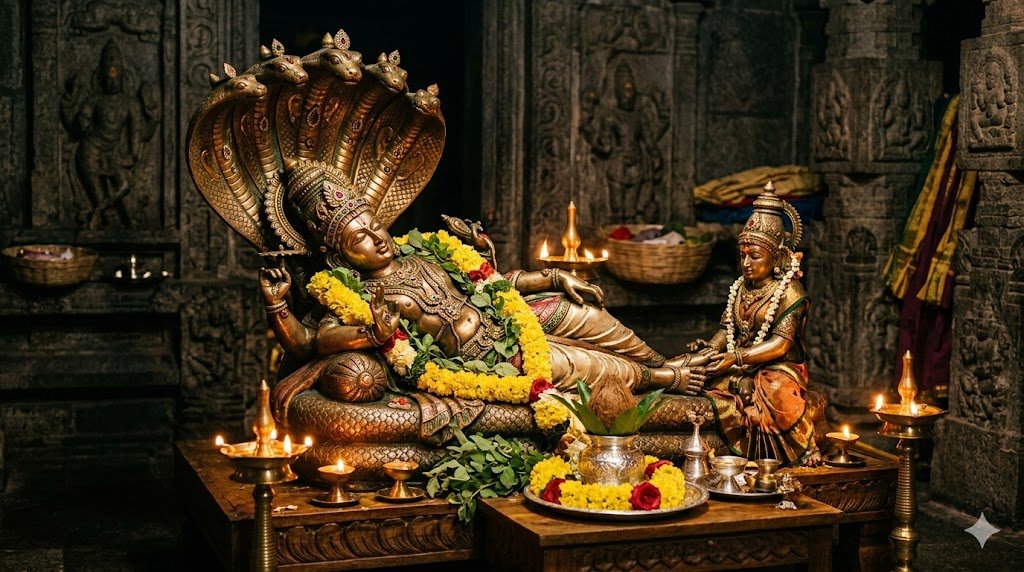
The Prathama Ekadashi date in 2026 is Saturday, July 25 — and for crores of Vishnu devotees across India, this single day reshapes the spiritual calendar for the next four months. Falling on the eleventh tithi of Ashadha Shukla Paksha, this Ekadashi marks the moment Lord Vishnu enters Yoganidra on Sheshanaga in Ksheersagar. Moreover, it triggers Chaturmas, the four-month sacred period when weddings, housewarmings and major auspicious ceremonies traditionally pause across Hindu households.
However, most online guides list only the date and skip the details that actually matter — exact tithi start and end, the correct parana window, regional variations and the vrat procedure. This guide fixes that gap with verified panchang data for South India and the complete observance method.
Quick Summary at a Glance
- Prathama Ekadashi date 2026: Saturday, 25 July 2026
- Ekadashi Tithi Begins: 09:12 AM on 24 July 2026
- Ekadashi Tithi Ends: 11:34 AM on 25 July 2026
- Parana Time (26 July): 05:42 AM to 08:17 AM
- Dwadashi End Moment: 01:57 PM on 26 July 2026
- Other names: Devshayani, Padma, Ashadi, Hari Shayani, Maha-Ekadashi, Toli Ekadashi (Telugu)
- Marks: Beginning of Chaturmas (Vishnu Yoganidra period)
Notably, all timings above are calculated for Andhra Pradesh and Telangana sunrise. Devotees in other regions should adjust by a few minutes based on local panchang.
What Is Prathama Ekadashi and Why the Name?
Prathama means “first” in Sanskrit. Therefore, this Ekadashi carries the title because it is considered the first Ekadashi of Chaturmas — the four-month period when Lord Vishnu rests. In Telugu, devotees call it Toli Ekadashi, where “toli” also translates to first.
However, the day goes by several other names depending on the region and the specific aspect being emphasised. Each name highlights a different dimension of the same tithi.
Different Names Across Regions
| Name | Region/Tradition | Meaning |
|---|---|---|
| Devshayani Ekadashi | North India, Pan-Indian | God-sleeping eleventh |
| Toli Ekadashi | Andhra Pradesh, Telangana | First Ekadashi (Telugu) |
| Ashadi Ekadashi | Maharashtra | Ekadashi of Ashadha month |
| Padma Ekadashi | Pan-Indian, Puranic | Lotus-themed Ekadashi |
| Hari Shayani Ekadashi | Vaishnava traditions | Vishnu-sleeping day |
| Maha Ekadashi | Pan-Indian | Great Ekadashi |
Prathama Ekadashi Date 2026: Exact Tithi Timings
Accurate tithi calculation is the foundation of any vrat. Therefore, devotees must distinguish between the tithi window and the actual fasting day. The fast follows sunrise-based logic, not the moment the tithi begins.
Tithi Window for South India
For Andhra Pradesh, Telangana, Tamil Nadu and Karnataka, the tithi timings hold as follows. Specifically, the Ekadashi tithi begins at 09:12 AM on Friday, July 24, 2026. Furthermore, it ends at 11:34 AM on Saturday, July 25, 2026.
Since sunrise on July 25 falls within the active tithi, that becomes the fasting day for Smarthas. Vaishnavas who follow Brahma Muhurat-based rules also observe the same date in 2026, since no consecutive-day situation arises this year.
Parana Window — When to Break the Fast
Parana, or fast-breaking, must happen on Sunday, July 26, 2026. Specifically, the auspicious window is 05:42 AM to 08:17 AM for Tanuku, Rajamahendravaram and most coastal Andhra Pradesh locations.
Notably, the Dwadashi tithi ends at 01:57 PM on July 26. Therefore, parana must conclude well before that — ideally within Pratahkal (early morning hours after sunrise). Breaking the fast after Madhyahna without medical reason is considered an offence in shastra.
Significance of the Prathama Ekadashi Date
This Ekadashi carries spiritual weight unmatched by most others on the calendar. Specifically, it triggers Chaturmas — a four-month window when Vishnu is believed to enter cosmic slumber on Adi Sesha in the ocean of milk. Consequently, all major auspicious activities pause until Prabodhini Ekadashi in Kartika month.
Furthermore, the Padma Purana records a direct conversation between Lord Krishna and Yudhishthira about this vrat. Krishna narrated the story of King Mandhata of the Surya dynasty, who freed his kingdom from a three-year drought by observing this fast on the advice of Sage Angiras.
Why Chaturmas Begins Now
According to religious texts, Vishnu rests at the gate of King Bali in Patala for these four months. Hence, devotees use this period for intensified spiritual practice, scriptural study and self-discipline. Additionally, the rainy season aligns with Chaturmas — making travel and large gatherings naturally difficult.
Above all, the dakshinayana solar transition begins around this time. As a result, days grow shorter and nights longer, signalling the cosmic rhythm shift that scriptures describe as the “night of the Devas.”
Agricultural Connection in Telugu Tradition
For Telugu farmers, Toli Ekadashi marks a practical milestone too. After the first monsoon rains saturate the soil, farmers traditionally begin sowing seeds on this day. Consequently, communities organise feasts and feed the poor, believing such acts please Srihari Vishnu and ensure a good harvest.
Prathama Ekadashi Vrat Vidhi: Step-by-Step
The procedure varies slightly across sampradayas, but the core stages remain consistent. Below is the standard observance method followed in most South Indian households.
- Dashami evening (24 July 2026): Eat one sattvic meal before sunset. Avoid onion, garlic, masoor dal and grains after this meal.
- Sankalpa at sunrise (25 July): Take an early bath, wear clean clothes and mentally dedicate the fast to Lord Vishnu. Notably, this Ekadashi traditionally avoids wish-based sankalpa — devotees seek only Vishnu’s grace.
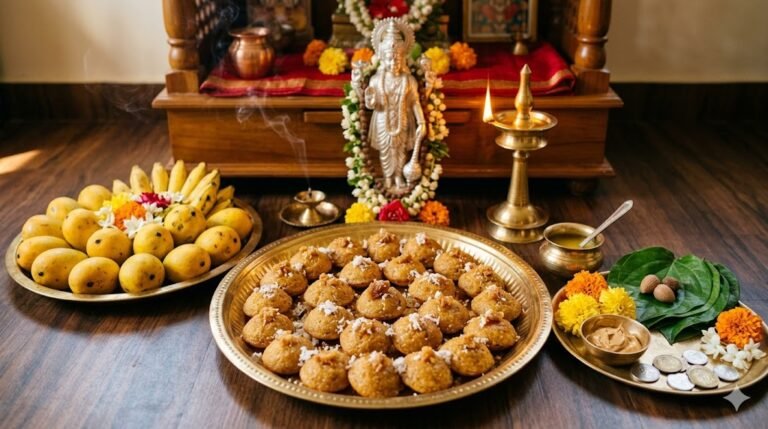
- Morning puja: Set up a small altar with a Vishnu or Krishna image. Offer tulsi leaves, yellow flowers, incense, ghee lamp and naivedyam (fruits, milk, jaggery).
- Through the day: Recite Vishnu Sahasranama, Bhagavad Gita chapters or the Devshayani Ekadashi Vrat Katha. Additionally, chant “Om Namo Bhagavate Vasudevaya.”
- Fast type: Choose Jalahar (water only), Ksheerbhoji (milk-based), Phalahari (fruits) or Naktabhoji (one meal at sunset, no grains) based on physical capacity.
- Night vigil: Many devotees stay awake performing bhajans and Vishnu kirtans through the night.
- Parana on Dwadashi (26 July): Break the fast between 05:42 AM and 08:17 AM with water first, then a small portion of cooked rice with curd, or fruits.
Permitted and Prohibited Foods
Strict Ekadashi rules forbid all grains, lentils, beans and cereals. However, several alternatives are permitted for those choosing partial fasting.
| Permitted (Phalahari) | Strictly Avoided |
|---|---|
| Sabudana, sweet potato, potato | Rice, wheat, ragi, corn |
| Singhada, kuttu flour (debated) | Toor dal, moong, masoor dal |
| Fresh fruits, milk, curd, ghee | Onion, garlic, common salt |
| Almonds, pistachios, groundnuts | Non-vegetarian food, eggs |
| Rock salt (sendha namak) | Tobacco, alcohol |
Mythology Behind the Vrat: King Mandhata’s Story
The Padma Purana preserves the original narrative. King Mandhata of the Suryavamsha was renowned for honesty and dharmic rule. However, his prosperous kingdom faced a brutal three-year drought. Crops failed. Rivers dried up. Both people and animals perished.
Despite performing numerous yagnas and pujas, the king found no relief. Therefore, he sought the counsel of Sage Angiras deep in the forest. The sage advised him to observe the Ashadha Shukla Ekadashi vrat with his entire kingdom.
King Mandhata followed the instruction with full devotion. As a result, the rains returned. The kingdom flourished once more. Hence, this Ekadashi became known as the vrat that destroys collective karma and ends suffering on a community scale.
Where to Observe: Famous Temples and Pilgrim Sites
While devotees can observe the vrat at home, certain pilgrimage sites hold extraordinary significance on this day. Furthermore, visiting these temples on Prathama Ekadashi is believed to multiply the merit of the fast.
Pandharpur — The Heart of Ashadi Ekadashi
Lakhs of warkaris walk for weeks from Alandi and Dehu to reach Pandharpur in Maharashtra by this Ekadashi. The Vitthal Rukmini Mandir hosts the grand culmination of the Pandharpur Wari pilgrimage. Notably, the silver padukas of Sant Dnyaneshwar and Sant Tukaram travel in palanquin processions toward the temple.
Palanka Kshetram, Telangana
For Telugu devotees, Palanka Kshetram in the Nallamala forest holds special importance. Located on the Mahabubnagar–Kurnool border, this Veerabhadra Swamy temple draws thousands on Toli Ekadashi for special abhishekams and annadanam.
Tirumala and Other Vaishnava Temples
At Tirumala, special sevas are conducted for Lord Venkateswara on this day. Similarly, ISKCON temples worldwide observe extended kirtan, Vishnu Sahasranama recitation and Sayana Utsavam — the symbolic putting-to-sleep of the deity.
What Pauses During Chaturmas
Chaturmas brings a long list of restrictions on auspicious activities. Therefore, families planning major events should note these traditional pauses.
- Hindu weddings: No vivah muhurats during Chaturmas (with rare exceptions in certain communities)
- Griha Pravesh: Housewarming ceremonies are deferred
- Upanayana: Sacred thread ceremonies postponed
- Major business openings: Many traditional families wait for Prabodhini Ekadashi
- Long-distance pilgrimages: Reduced significantly during the rainy months
However, daily worship, festival celebrations and Janmashtami, Ganesh Chaturthi, Navratri continue normally — these are not “auspicious activities” in the muhurat sense but devotional observances.
Tapta Mudra Dharana: A Unique Vaishnava Ritual
In Vaishnava mathas, particularly those linked to the Udupi Sri Krishna temple, devotees undergo Tapta Mudra Dharana on this day. Specifically, heated metal seals bearing Vishnu’s symbols (shankha and chakra) are pressed onto the shoulders. Furthermore, the practice symbolises permanent surrender to Lord Vishnu.
Although the ritual sounds severe, devotees describe the spiritual experience as transformative. Naturally, this is reserved for initiated devotees and is not part of common household observance.
Common Mistakes to Avoid
Many first-time observers make small errors that reduce the merit of the vrat. Therefore, watch for these specifically.
- Breaking fast at sunrise: Parana is not at sunrise — it follows the prescribed window. Notably, breaking fast within Hari Vasara (first quarter of Dwadashi) is forbidden.
- Eating grains on Dashami night: The Dashami dinner must be grain-free to ensure no residual food remains.
- Forgetting to skip parana: Some devotees fast all day but forget the formal parana ritual — this is considered an incomplete vrat.
- Mixing common salt: Use only sendha namak (rock salt) in any phalahari preparations.
- Sleeping during the day: Traditional shastra discourages daytime sleep on Ekadashi.
- Wish-based sankalpa: Unlike other Ekadashis, Devshayani is observed without material desires — the sankalpa seeks only Vishnu’s grace.
Health and Spiritual Benefits
Beyond the spiritual rewards, the vrat offers practical wellness gains. Specifically, the 24-hour grain-free fast supports digestive rest and metabolic reset. Additionally, modern Ayurveda recognises Ekadashi fasting as aligned with lunar cycles that affect digestive fire.
Spiritually, scriptures state that observing Devshayani Ekadashi sincerely destroys accumulated sins, grants peace within families and opens the path to Vaikuntha. Naturally, the depth of benefit depends on the devotion behind the observance, not just mechanical fasting.
Final Thoughts
The Prathama Ekadashi date of July 25, 2026 is more than a calendar entry — it is a portal into the four-month inner journey of Chaturmas. Therefore, devotees should plan ahead: keep the Dashami meal sattvic, mark the parana window precisely, and approach the day with the humility King Mandhata showed centuries ago. Whether observed at home, at a local Vishnu temple, or amid the warkari processions of Pandharpur, this Ekadashi offers a rare convergence of mythology, agriculture and devotion. Most importantly, do not chase merit — chase surrender. That alone unlocks the full grace of the day.
Frequently Asked Questions
What is the Prathama Ekadashi date in 2026?
Prathama Ekadashi falls on Saturday, July 25, 2026. The Ekadashi tithi begins at 09:12 AM on July 24 and ends at 11:34 AM on July 25. Devotees observe the fast on July 25 since the tithi prevails at sunrise that day.
Why is it called Prathama Ekadashi?
“Prathama” means first in Sanskrit, and this Ekadashi is considered the first sacred fast of Chaturmas — the four-month period of Vishnu’s cosmic sleep. In Telugu, the same day is called Toli Ekadashi, where “toli” also means first.
What is the parana time on July 26, 2026?
The parana window is 05:42 AM to 08:17 AM on Sunday, July 26, 2026 (for Andhra Pradesh and most South Indian locations). Furthermore, the Dwadashi tithi ends at 01:57 PM, so parana must complete well before then.
Can pregnant women or diabetics observe this fast?
Strict fasting is not recommended for pregnant women, diabetics or those on regular medication. However, they may observe a phalahari fast — fruits, milk and water — after consulting their doctor. The intent matters more than the severity.
Can weddings happen during Chaturmas?
Traditionally, no. Most communities pause Hindu weddings, griha pravesh and upanayana ceremonies during Chaturmas. However, Tulsi Vivah, Janmashtami and other devotional festivals continue normally during this period.
What foods are allowed if I cannot fast completely?
Permitted foods include fruits, milk, curd, sabudana, sweet potato, potato, groundnuts, almonds and rock salt. Conversely, all grains, lentils, beans, common salt, onion and garlic must be avoided strictly throughout the day.
Is the date the same across India?
The date is generally the same across India, but timings vary slightly by location. For example, sunrise and parana windows differ by a few minutes between Tirupati and Mumbai. Always check your local panchang for precise timings.
You May Also Like
- Nirjala Ekadashi 2026: Date, Timings & Complete Vrat Guide
- Chaturmas 2026: What to Do and Avoid During the Sacred Four Months
- Prabodhini Ekadashi 2026: When Lord Vishnu Awakens
- Ekadashi Calendar 2026: Complete List of All 24 Fasting Dates