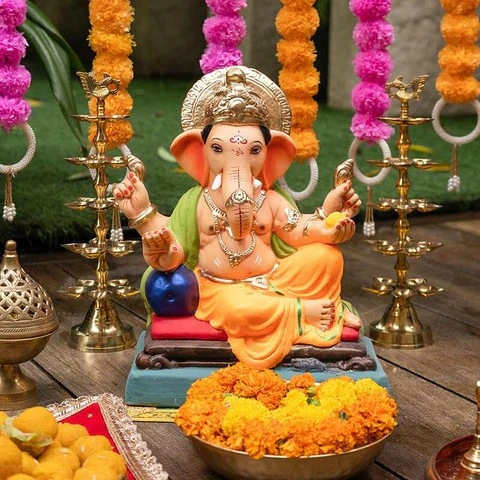
Vinayaka Chaturthi Pooja Procedure Easy Step-By-Step Guide
Vinayaka Chaturthi Pooja Procedure refers to the traditional ritual steps and worship practices performed to honor Lord Ganesha during the Hindu festival of Ganesh Chaturthi (also called Vinayaka Chavithi). This procedure involves specific pūjā rites, mantras, offerings, and ceremonial steps that devotees follow to invite the blessings of Ganesha—the remover of obstacles and bestower of wisdom and prosperity. In this article, you will find detailed step-by-step instructions, helpful tips, common mistakes to avoid, and answers to frequently asked questions so you can perform this sacred festival observance with devotion and understanding.
What Is Vinayaka Chaturthi And Its Significance
Vinayaka Chaturthi, commonly known as Ganesh Chaturthi, is a major Hindu festival celebrating the birth of Lord Ganesha. This festival falls on the fourth day (Chaturthi) of the bright half (Shukla Paksha) of the Hindu month of Bhadrapada every year. Across India, devotees bring home clay idols of Ganesha, perform special pūjā rituals, and ultimately immerse the idols in water in a ceremony called visarjana.
However, lord Ganesha is revered as the first deity to be worshipped before starting any significant task or ritual. He is known as the remover of obstacles (Vighnaharta) and the giver of wisdom, prosperity, and auspicious beginnings. Ganesha’s worship during Vinayaka Chaturthi is believed to invite these blessings into homes and hearts.
However, while celebrated with grandeur in public pandals across many states like Maharashtra and Karnataka, the festival is also observed with devotion in homes. When I visited my cousin’s home during Vinayaka Chaturthi in Pune, the atmosphere was filled with devotional chants, rangoli, and the aroma of incense—showing how shared devotion enhances the spiritual experience.
Preparation Before Performing The Pooja
Choosing The Right Time (Puja Muhurat)
Traditionally, the Vinayaka Chaturthi Pooja Procedure is done in an auspicious muhurat (time window) on the day of the festival. For example, in 2025, Ganesh Chaturthi in India was celebrated on 27 August, with the most auspicious puja time between about 11:05 AM and 1:40 PM according to astrologers.
Items Needed For The Pooja
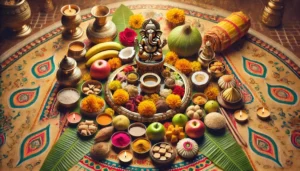
Below is a general list of essentials for a home pūjā. You may adapt it based on your tradition, lineage, or priest’s guidance:
| Item | Purpose |
|---|---|
| Clay Idol of Lord Ganesha | Main Deity |
| Chowki/Table with Clean Cloth | Pūjā altar setup |
| Kalash (Water Pot), Coconut, Mango Leaves | Symbolic purification and invocation |
| Flowers (especially Red/Yellow) | Offerings |
| Incense sticks, Diyas/Lamp | Purify and sanctify the atmosphere |
| Turmeric, Kumkum, Haldi, Akshata | For tilak and offerings |
| Durva Grass | Favored offering to Lord Ganesha |
| Fruits & Modak/Prasad | Offerings and distribution after pūjā |
| Bell and Conch (optional) | For āratī and sound invocation |
Preparing all the items beforehand ensures a smooth flow of rituals during the puja without interruption.
Step-By-Step Vinayaka Chaturthi Pooja Procedure
Below is a structured and practical Vinayaka Chaturthi Pooja Procedure that you can follow at home.
1. Cleansing & Decoration
Wake up early on the day of Vinayaka Chaturthi. Take a bath, wear clean clothes, and sweep and clean the puja area. Decorate the space with rangoli and flowers. Place a clean cloth or red/yellow fabric on the platform (chowki) where the Ganesha idol will be installed.
2. Setting Up The Idol
Place the clay idol of Lord Ganesha facing either east or north direction, which is considered auspicious. Position the idol centrally on the decorated chowki and arrange the offerings and kalash around it.
3. Sankalpa (Taking The Vow)
The Vinayaka Chaturthi Pooja Procedure typically begins with Sankalpa—taking a vow to perform the ritual with devotion. Hold water in your right hand and pour it into a plate or vessel while reciting a vow statement that includes the purpose and intent of the worship.
4. Avahanam & Pran Pratishtha
Now invite Lord Ganesha into the idol (Avahanam) with mantras, followed by Prān Pratishthā, which invokes life or divine presence into the idol. Traditionally, these steps are part of the puja when the idol is newly installed and not regularly worshipped.
5. Shodashopachara (16 Offerings)
A core part of the Vinayaka Chaturthi Pooja Procedure is the Shodashopachara—the 16 types of devotional offerings. These include:
- Lighting the lamp (Deepa)
- Incense (Dhupa)
- Naivedya (food offering)
- Flowers (Pushpa)
- Water for washing feet and hands
- Tilak (turmeric/kumkum)
- Offering betel leaves & nuts
- Durva grass
- Chanting of mantras
- Bell ringing
- Conch blowing
- Aarti
- Prayers for prosperity
- Offering sweets like modak
- Offering fruits
- Prasana distribution
Each of these acts is performed with specific expressions of devotion and corresponding mantras where possible. Devotees recite the popular mantra “ॐ गण गणपतय नमः” (Om Gan Ganapataye Namah) and “Vakratunda Mahakaya…” during this stage.
6. Aarti
After completing the offerings and mantra recitations, perform the āratī (waving of the lamp) while ringing a bell and singing or chanting devotional songs such as “Sukhakarta Dukhaharta,” which is a well-known aarti in Maharashtra and other regions.
7. Distribution Of Prasad
Finally, distribute the prasad (offered sweets and fruit) to family members and guests. Modak, a sweet dumpling made from rice flour, jaggery, and coconut, is traditionally offered as Lord Ganesha’s favorite.
Additionally, what surprised me during my last visit to a traditional Ganesh Chaturthi in Hyderabad was how the community gathered together to share prasad, sing bhajans, and create a supportive atmosphere—showing that the puja is as much about community as it is about devotion.
Tips And Best Practices
- Prefer eco-friendly clay idols over plaster of Paris (POP) to reduce environmental impact when immersing later.
- Use fresh flowers and natural colors for decorations.
- If chanting Sanskrit mantras is unfamiliar, you can recite simpler prayers such as “Om Ganeshaya Namah.”
- Perform the puja with a clean heart and focused mind rather than rushing through the steps.
- If possible, consult with a priest to ensure correct pronunciation and timing for mantras.
Common Mistakes To Avoid
- Starting puja without preparing the space and cleaning the altar first.
- Using idols painted with chemical colors that can harm water bodies during immersion.
- Skipping the Sankalpa or intention-setting step, which spiritually frames the puja.
- Ignoring the reading or recitation of mantras due to unfamiliarity—use translated mantras if needed.
Frequently Asked Questions (FAQ)
Can I Download A Vinayaka Chaturthi Pooja Procedure PDF?
Yes! There are several PDFs available online that outline the Vinayaka Chaturthi Pooja Procedure, including mantras and ritual steps. For example, one resource shares Ganesh puja methods and symbolism in PDF form.
What Mantras Should I Chant During The Pooja?
Common mantras include “ॐ गण गणपतय नमः” (Om Gan Ganapataye Namah) and “Vakratunda Mahakaya…” among others. If you are not familiar with Sanskrit, simple heartfelt prayers in your language are equally meaningful.
How Long Should The Pooja Take?
The duration varies based on how elaborately you choose to perform the puja. Typically, a home puja can take anywhere from 1 to 3 hours depending on rituals and recitation. Follow your schedule and devotion.
Do I Need A Priest To Perform The Pooja?
A priest is not mandatory. Many families perform Vinayaka Chaturthi puja themselves by following traditional steps and mantras. However, if you want precise rituals and mantra pronunciation, you may consult a priest.
What Happens After The Pooja?
After the puja, families keep the idol for several days (commonly 1.5, 3, 5, or 11 days) before immersing it in water (visarjana), symbolizing nature’s cycle of creation and dissolution.
External Official Resources
To learn more about Hindu festivals and practices officially, you can refer to the Ganesh Chaturthi Wikipedia entry, which provides historical and ritual context.
For understanding ancient ritual spaces and temple traditions that include Vinayaka worship, see the Siddhivinayak Temple, Siddhatek page.
I personally recommend preparing early and inviting family members to participate—shared devotion often enhances the spiritual experience and creates lasting memories.

+ There are no comments
Add yours