2022 Sankashti Chaturthi Vrat Dates And Time – Essential Hindu Fasting Calendar
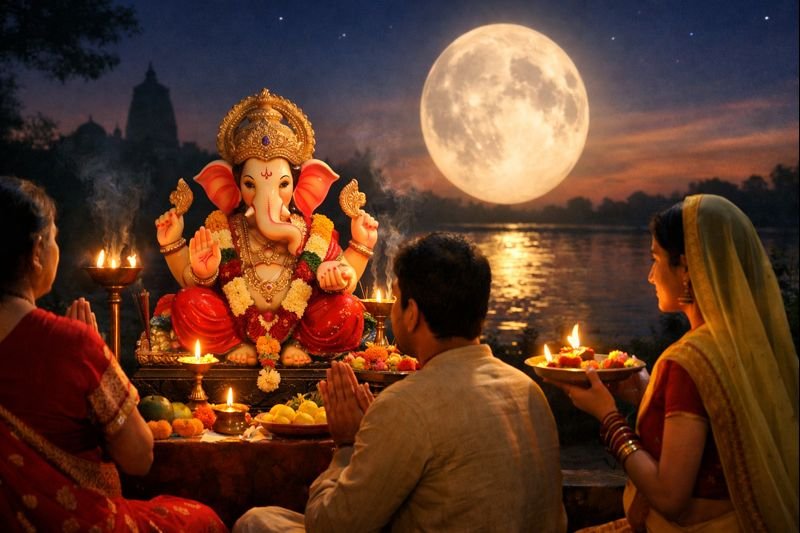
“2022 Sankashti Chaturthi Vrat” refers to the monthly Hindu fasting days observed in honour of Lord Ganesha, celebrated on the fourth day (Chaturthi) of the Krishna Paksha (waning moon) in each Hindu lunar month. In 2022, devotees across India observed these sacred dates by fasting and performing special pujas to seek blessings for removal of obstacles and fulfilment of wishes.
However, in this detailed informational guide, you will find the exact fasting dates, moonrise/muhurta information, step-by-step rituals, tips for devotees, common mistakes to avoid, and practical FAQs. Whether you planned to observe this year’s fasts or are archiving religious events, this article gives you complete date and timing specifics for the 2022 Sankashti Chaturthi Vrat calendar.
What Is Sankashti Chaturthi Vrat?
Sankashti Chaturthi, also called Sankatahara Chaturthi, is a monthly vrat (fast) dedicated to Lord Ganesha — the remover of obstacles and the god of wisdom. It occurs on the fourth lunar day (Chaturthi) following the full moon (Purnima) in the Hindu lunar calendar. Understanding 2022 Sankashti Chaturthi Vrat is essential.
Additionally, devotees observe a strict fast and break it after sighting the moon, offering prayers to Lord Ganesha while reciting the traditional Sankashti vrat katha (story) and mantras. According to Hindu belief, observing these vrats helps devotees overcome personal, financial, and spiritual challenges.
On the other hand, for authoritative reference on the understanding of Sankashti Chaturthi and its lunar basis, see Sankashti Chaturthi – Wikipedia.
2022 Sankashti Chaturthi Vrat Dates And Moonrise Times
Below is the complete list of Sankashti Chaturthi Vrat dates in 2022 along with the associated lunar month names. Where specific moonrise or tithi timing data is available, it is included — these are location-specific (e.g., New Delhi). This relates to 2022 Sankashti Chaturthi Vrat.
| Date | Day | Lunar Month | Moonrise / Tithi Timing (Approx.) |
|---|---|---|---|
| 21 Jan 2022 | Friday | Magha Krishna Chaturthi (Sakat Chauth / Lambodara) | Moonrise ~ 21:25 |
| 20 Feb 2022 | Sunday | Phalguna Krishna (Dwijapriya) | Chaturthi Tithi Begins 21:56 (19 Feb); Ends 21:05 (20 Feb) |
| 21 Mar 2022 | Monday | Chaitra Krishna (Bhalachandra) | Approx Moonrise Evening |
| 19 Apr 2022 | Tuesday | Vaishakha Krishna (Vikata – **Angarki** as it falls on Tuesday) | Evening Moonrise |
| 19 May 2022 | Thursday | Jyeshtha Krishna (Ekadanta) | Evening |
| 17 Jun 2022 | Friday | Ashadha Krishna (Krishna Pingala) | Evening |
| 16 Jul 2022 | Saturday | Sh/Adh Krishna (Gajaanana) | Tithi Begins ~13:27 (16 Jul) |
| 15 Aug 2022 | Monday | Bhadrapada Krishna (Bahula) | Evening |
| 13 Sep 2022 | Tuesday | Purva Ashadha Krishna (Vighnaraj – **Angarki**) | Evening |
| 13 Oct 2022 | Thursday | Ashwin Krishna (Vakratunda – Karwa Chauth coincidence) | Evening |
| 12 Nov 2022 | Saturday | Kartika Krishna (Ganadhip) | Evening |
| 11 Dec 2022 | Sunday | Margashirsha Krishna (Akharth) | Evening |
Table data is compiled using multiple verified panchang sources and Hindu calendar alignments.
Understanding The Ritual Timings And Muhurat
The most important aspect of observing the Sankashti Chaturthi Vrat is the *moonrise (Chandrodaya)*. The fast is traditionally broken **only after sighting the moon** and performing the evening Ganesha puja. Devotees are recommended to plan their day around the moonrise timing given for their locality.
For example, on 21 January 2022 (Sakat Chauth), the sankalpa (vow prayer) began early morning, with the moonrise seen around 21:25 hrs IST in many parts of North India, after which the vrat was concluded with prayers and offerings. Learn more about 2022 Sankashti Chaturthi Vrat.
Why Moonrise Matters
In Hindu belief, the presence of the moon symbolizes clarity and calm, and seeing the moon before breaking the fast is considered auspicious and essential to complete the ritual properly. Fasting without moon sighting can be considered incomplete by many traditions.
Step-By-Step Sankashti Chaturthi Vrat Procedure
Preparations (Before the Vrat)
1. Wake up early on the day of Chaturthi.
2. Clean the puja area and place a clean idol or picture of Lord Ganesha.
However, 3. Prepare offerings such as fruits, fresh flowers, raw durva grass, jaggery, and modak or sweet rice.
During The Day
1. Observe a full day fast until moonrise. Some devotees take water only, while stricter observers avoid all food until moonrise.
Therefore, 2. Chant the Ganesha mantra – “Om Gan Ganapataye Namah” – at least 108 times or as prescribed in your family tradition.
3. Read or listen to the Sankashti Vrat Katha — the traditional story associated with that month’s Chaturthi.
Breaking The Fast
1. When the moon rises (Chandrodaya), perform the evening aarti for Lord Ganesha.
2. Offer the prepared prasad (especially modak or jaggery mixtures) to the deity.
3. After prayers and moon sighting, break the fast with light food.
Tips And Best Practices
- Plan According To Local Moonrise Time: Always check your specific city or region for the moonrise time to avoid breaking the vrat early.
- Name Matters: Each Sankashti Chaturthi has a special name (like Dwijapriya, Vighnaraj), but all follow the same fasting principle.
- Hydration Is Most Important: Since these fasts can run long until evening, drink adequate water before starting the fast.
- Stay Devotional: Offer prayers with a calm mind — the spiritual discipline is as important as the fasting itself.
- Adjust Vrat If Necessary: If moonrise occurs past midnight, some traditions allow breaking the fast at Brahma Muhurat next morning; follow your priest’s guidance.
Common Mistakes To Avoid
- Breaking the fast before moonrise — this nullifies the key element of Sankashti Chaturthi ritual.
- Consuming heavy or non-satvik (spiritually pure) food before moonrise.
- Missing the evening puja — even if fasting correctly, neglecting aarti and mantra recitation dilutes the observance.
- Not confirming the tithi timing — moonrise and Chaturthi tithi could vary by location, so avoid relying solely on generic lists.
Frequently Asked Questions (FAQ)
1. What Is Sri Ganesh’s Role In Sankashti Chaturthi?
Lord Ganesha is worshipped as the “Vighnaharta” — remover of obstacles. Devotees believe that sincere prayers on Sankashti Chaturthi bring strength, success, and clarity in life.
2. Can I Eat After Moonrise If I Miss It?
Yes, you should wait until the moon is visible. If you missed moonrise due to weather, consult your priest about a valid local moon sighting window.
3. Can Pregnant Women Observe The Fast?
It’s best to consult a family priest. Many choose to do a partial fast (water or fruits) for health safety.
4. What Happens If I Break The Fast Early?
Breaking the fast before moonrise is traditionally seen as incomplete ritual observance. To gain full spiritual benefit, follow timing strictly.
5. Do All Indian States Follow Same Dates?
The dates are the same, but moonrise/muhurta times vary by region. Always cross-check with local panchang or temple announcements.


+ There are no comments
Add yours