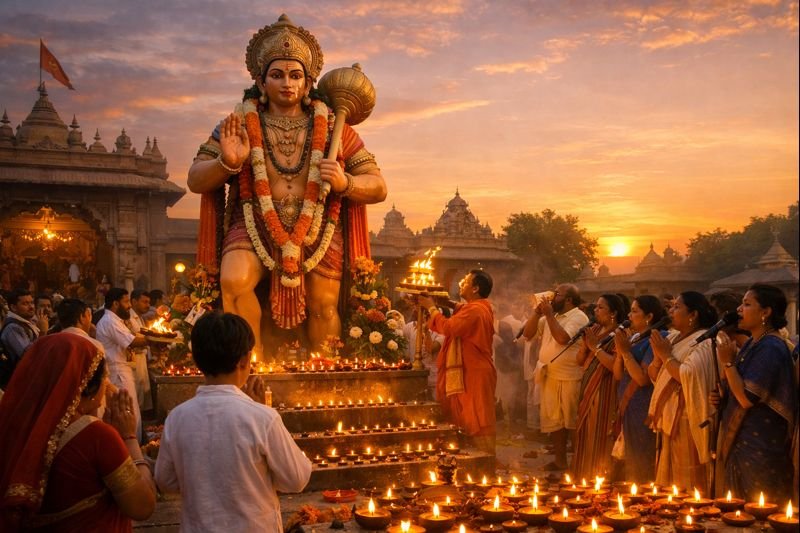
Why Hanuman Jayanthi Is Celebrated Twice A Year – Essential Insights
Why Hanuman Jayanthi Is Celebrated Twice A Year has puzzled many devotees and cultural observers for generations. This deeply revered Hindu festival honoring Lord Hanuman does not fall on one fixed date across India. Instead, it is observed at least twice a year in different regions, rooted in diverse traditions and interpretations of the Hindu lunar calendar. In this guide, we’ll explore the reasons behind this unique practice, the exact dates, and how devotees celebrate Hanuman Jayanti in 2025 and beyond.
Understanding The Essence Of Hanuman Jayanti
Hanuman Jayanti celebrates the birth of Lord Hanuman, a central figure in Hindu mythology, celebrated for his unwavering devotion to Lord Rama, immense strength, and spiritual wisdom. Devotees across India and around the world honor him with prayers, temple visits, and recitations of the Hanuman Chalisa.
Two Celebrations, Two Traditions
Chaitra Purnima: The Most Widely Observed Date
The most commonly celebrated Hanuman Jayanti falls on Chaitra Purnima (full moon day in the Chaitra month), usually in March–April according to the lunar calendar. This date is widely followed in North India and is associated with Lord Hanuman’s birth at sunrise on this auspicious day. Understanding Hanuman Jayanthi Celebrated Twice is essential.
Margashirsha or Margazhi: The Southern Date
In states like Tamil Nadu, Karnataka, Andhra Pradesh, and Telangana, the festival is observed during Margashirsha/Margazhi (December–January), reflecting regional lunar calendar traditions. Here, Hanuman Jayanti is marked as “Anjaneya Jayanti” or Hanuman’s manifestation day and is often preceded by spiritual observances.
Reasons Why Hanuman Jayanti Is Celebrated Twice A Year
1. Regional Lunar Calendar Variations
The Hindu lunar calendar has multiple regional versions, such as the *Amavasyant* and *Purnimant* systems. These variations lead to the same festival being placed on different dates in different regions. For Hanuman Jayanti, Chaitra Purnima in much of North India contrasts with Margashirsha Amavasya in southern parts of India.
2. Distinct Religious Interpretations
Some local traditions link Hanuman’s birth to specific events or astro-mythical alignments unique to that region’s religious texts and oral histories. As a result, both dates have gained religious significance independently. This relates to Hanuman Jayanthi Celebrated Twice.
3. Cultural Identity And Devotional Practices
Cultural practices deeply influence festival observances. In regions where Hanuman’s spiritual triumphs or local legends are strongly emphasized, the date of celebration adapts accordingly. This adds cultural richness to how the festival is experienced across India.
Hanuman Jayanti Dates And Observances In 2025
| Date | Festival Occasion | Region |
|---|---|---|
| April 12, 2025 | Hanuman Jayanti on Chaitra Purnima | North India |
| December 25, 2025 | Hanuman Jayanti on Margashirsha Amavasya | South India |
| May 22, 2025 | Telugu Hanuman Jayanti (41-day Deeksha) | Andhra Pradesh, Telangana |
These dates reflect regional practices and the fact that Hanuman Jayanti can fall on different tithis (lunar days) depending on local calendars.
What Happens During Hanuman Jayanti Celebrations?
Temple Visits And Rituals
Devotees visit Hanuman temples early in the morning before sunrise, participate in *aartis*, and offer *prasadam* (sacred offerings). Chanting the Hanuman Chalisa is a key practice that many believe brings strength and protection. Learn more about Hanuman Jayanthi Celebrated Twice.
Fasting And Devotional Observances
Some devotees observe fasts and spiritual practices, especially during the lead-up to the festival in southern traditions. In Andhra Pradesh and Telangana, many observe a 41-day *Deeksha*, culminating on the final Hanuman Jayanti.
Community And Family Gatherings
Hanuman Jayanti is also a time for families and communities to come together for charity, *kirtan* (devotional singing), and reading sections of the *Ramayana* that highlight Hanuman’s role.
Tips For Planning Your Hanuman Jayanti Observance
- Check your local temple schedule early to confirm the exact date and timing, as times vary regionally.
- If observing a fast, prepare by setting spiritual intentions and planning meals that follow your traditional guidelines.
- Participate in devotional recitations like *Hanuman Chalisa* daily in the week leading up to the festival for heightened spiritual focus.
- For families with children, incorporate storytelling about Hanuman’s virtues to deepen cultural understanding.
Common Mistakes Devotees Make
- Assuming one universal date for Hanuman Jayanti — remember regional calendars differ.
- Skipping temple visits based on Gregorian calendar dates without checking local lunar calendar timing.
- Not confirming *tithi* and *muhurta* (auspicious timing) — critical for correct observance.
- Confusing Hanuman Jayanti with nearby festivals such as *Ram Navami* — they have separate significance.
Frequently Asked Questions (FAQ)
Q1: Why are there two Hanuman Jayanti dates each year?
Because different regions follow different interpretations of the Hindu lunar calendar. In North India, the festival is observed on Chaitra Purnima, while parts of South India celebrate on Margashirsha Amavasya or associated dates. This relates to hanuman jayanthi celebrated twice.
Q2: Is one date more important than the other?
Both are considered spiritually significant. The importance often depends on local traditions and family customs. Neither date is universally “more important.”
Q3: Do devotees celebrate Hanuman Jayanti outside India?
Yes, Hindu communities worldwide celebrate Hanuman Jayanti following the dates significant to their region of origin. Temples abroad often follow the regional calendar.
Q4: What should I recite on Hanuman Jayanti?
Recitations commonly include the Hanuman Chalisa, *Sundara Kanda* from the *Ramayana*, and devotional hymns dedicated to Lord Hanuman. This relates to hanuman jayanthi celebrated twice.
Q5: Can children fast on Hanuman Jayanti?
Children may participate partially in devotional practices appropriate for their age. Full fasts are usually advised based on individual health and family traditions.
Personal Reflections On Celebrating Hanuman Jayanti
When I visited the Sri Anjaneya Temple in my hometown on Hanuman Jayanti, I was struck by how devotees from various backgrounds came together in devotion. The temple was filled before sunrise with chanting and lighted *diyas*, and I personally recommend arriving early to experience the profound spiritual atmosphere. What surprised me most was how despite different calendar traditions, the essence of devotion to Lord Hanuman remained universally strong.
Whether celebrated once or twice a year, Hanuman Jayanti brings people together in prayer, moral values, and cultural unity — a beautiful reflection of India’s diverse spiritual heritage. For more factual context about dates and traditions, you can consult resources such as the Wikipedia entry on Hanuman Jayanti and local temple calendars like the Drik Panchang Official Website. This relates to hanuman jayanthi celebrated twice.


+ There are no comments
Add yours