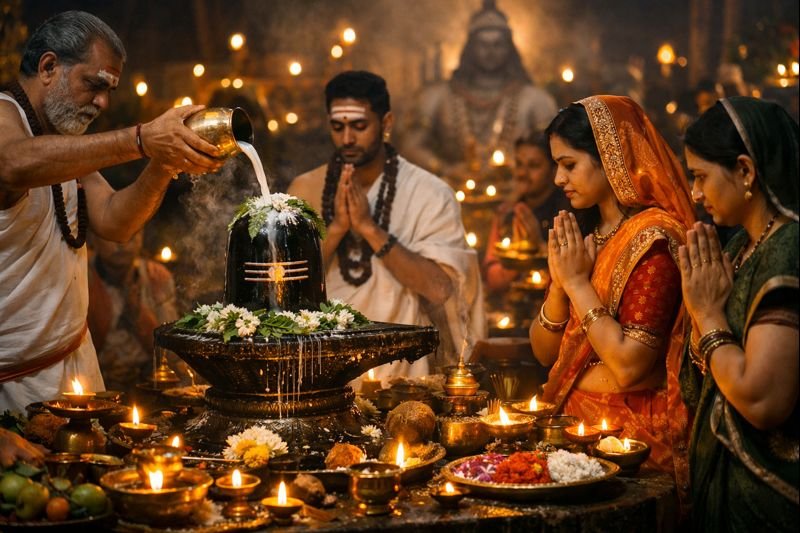
Significance Masa Shivaratri Pooja – Essential Guide
Significance Masa Shivaratri Pooja is a deeply spiritual observance in Hindu tradition that honours Lord Shiva each month on the Krishna Paksha chaturdashi (14th lunar day) with fasting, prayers and rituals. This observance, known as Masa Shivaratri, carries devotional benefits similar to the annual Maha Shivaratri while occurring monthly according to the lunar calendar. In this article, you’ll find clear insights into the significance, step-by-step puja vidhanam, downloadable PDF instructions, tips, common mistakes and FAQs to help you observe this sacred day with reverence.
What Is Masa Shivaratri?
Masa Shivaratri literally means the “monthly night of Shiva.” In the Hindu lunar calendar, each month features a Krishna Paksha (waning moon) Chaturdashi that is observed as Masa Shivaratri. Devotees perform special prayers and rituals on this night to seek Shiva’s blessings for spiritual and personal well-being.
Maha Shivaratri — the annual grand festival that usually occurs between February and March — is the most significant of all Shivaratris and is celebrated nationwide with vigour and widespread temple rituals. Understanding Significance Masa Shivaratri Pooja is essential.
Spiritual Significance Of Masa Shivaratri
Masa Shivaratri is believed to reduce negative influences and bring mental and spiritual clarity. According to tradition, doing Shiva Puja on this day alleviates difficulties and increases peace. Many devotees also perform this rite to improve health, prosperity and to seek harmony in relationships.
Philosophical Meaning
“Shiva” signifies auspiciousness. In Shaiva philosophy, meditating on Shiva renders one free from ignorance and sorrow. While Maha Shivaratri commemorates major mythological events — such as Shiva’s cosmic dance and union with Parvati — the monthly Masa Shivaratri provides regular opportunities for devotees to renew commitment to spiritual goals.
Astrological And Ritual Importance
Observing the Masa Shivaratri vrat on the Chaturdashi before Amavasya is traditionally believed to calm the effects of planetary influences associated with the waning moon. Rituals on this day often include fasting, offering Bilva leaves and water abhishekam on Shiva Lingam, and chanting sacred mantras. This relates to Significance Masa Shivaratri Pooja.
Masa Shivaratri Pooja Vidhanam (Step-By-Step)
Performing Masa Shivaratri Puja involves preparation, invocation, ritual actions and meditation. You can follow an authoritative puja vidhi to ensure correct observance.
1. Preparation Before The Day
- Wake up early and take a bath to purify yourself before sunrise.
- Clean the puja room thoroughly and set up a Shiva idol or lingam on a clean cloth.
- Arrange puja items: water, milk, honey, curd, sugar, Bilva (Bel) leaves, fruits and incense.
2. Sankalpam (Spiritual Resolution)
Begin the puja by taking Sankalpam (a vow) expressing your intent to observe the vow for spiritual benefit. This helps focus mind and devotion before starting rituals.
3. Pooja Procedure
- Light a lamp and incense in front of Shiva.
- Offer Ganga water, followed by milk, honey, and yogurt in an Abhishekam (ritualistic bathing) to the Shiva Lingam.
- Offer Bilva leaves, flowers and fruits while chanting “Om Namah Shivaya.”
- Spend time in meditation and chanting for at least one hour after puja.
- Conclude with Arti and distribution of prasad (blessed offerings) to family members.
4. Optional Practices
- Fasting until sunrise or for the entire day is traditional for many devotees.
- Sit through the night, chanting mantras or listening to Shiva stories.
Download Pooja Vidhanam PDF Instructions
For easy reference, many temples and spiritual communities offer downloadable PDFs with detailed puja vidhanam. Search online for “Masa Shivaratri Pooja Vidhanam PDF” to find free downloadable guides that include mantras and step-by-step instructions. One example is the Maha Shivaratri Study Guide PDF, which also offers principles you can adapt for monthly observance. Learn more about Significance Masa Shivaratri Pooja.
Tips And Best Practices
- Wear clean, preferably white clothes while performing the puja to maintain purity of mind and body.
- Start your puja before Pradosha (the early evening period) for best results.
- Maintain silence and avoid distractions to focus on meditation and chanting.
- If fasting, remember to stay hydrated and break the fast only after completing the ritual and sunrise.
Common Mistakes To Avoid
- Skipping the Sankalpam — this can dilute your focus and intent.
- Performing Puja in an unclean or distracting space.
- Rushing through mantras without understanding their meaning or pronunciation.
- Breaking the fast too early before completing the ritual cycle.
Personal Experiences And Observations
When I visited a local Shiva temple during Masa Shivaratri in Visakhapatnam, I observed how devotees stayed awake through the night chanting mantras and offering Bilva leaves to the Lingam. What surprised me was how serene the temple felt at midnight — the calm devotion of worshippers created a powerful atmosphere of peace that was personally uplifting.
I personally recommend scheduling your puja with family members or community groups to make the experience more meaningful and memorable.
Frequently Asked Questions (FAQs)
What Is The Difference Between Masa Shivaratri And Maha Shivaratri?
Masa Shivaratri occurs every month on Krishna Paksha Chaturdashi. Maha Shivaratri is the major annual festival in the month of Phalguna (usually February–March), with larger temple celebrations and greater significance.
Can I Perform Masa Shivaratri Puja At Home?
Yes. You can perform the puja at home by setting up a clean altar, following the step-by-step puja vidhanam and chanting mantras. Ensure minimal distractions for best focus.
Do I Need To Fast For Masa Shivaratri?
Fasting is recommended but optional based on your health and capability. Many choose to fast until sunrise after evening puja.
Which Mantras Should I Chant?
Common mantras include “Om Namah Shivaya,” “Om Mahadevaya Namah,” and the Panchakshara mantra during Abhishekam. You can also chant Rudram or other Shiva stotras if familiar.
Conclusion
Masa Shivaratri offers a meaningful way to connect with Shiva’s energy every month through disciplined prayer, meditation and ritual. By understanding the Significance Masa Shivaratri Pooja and following correct puja vidhanam, devotees can experience spiritual upliftment and personal peace. With the PDF guide and step-by-step instructions above, your observance will be confident and fulfilling.


+ There are no comments
Add yours