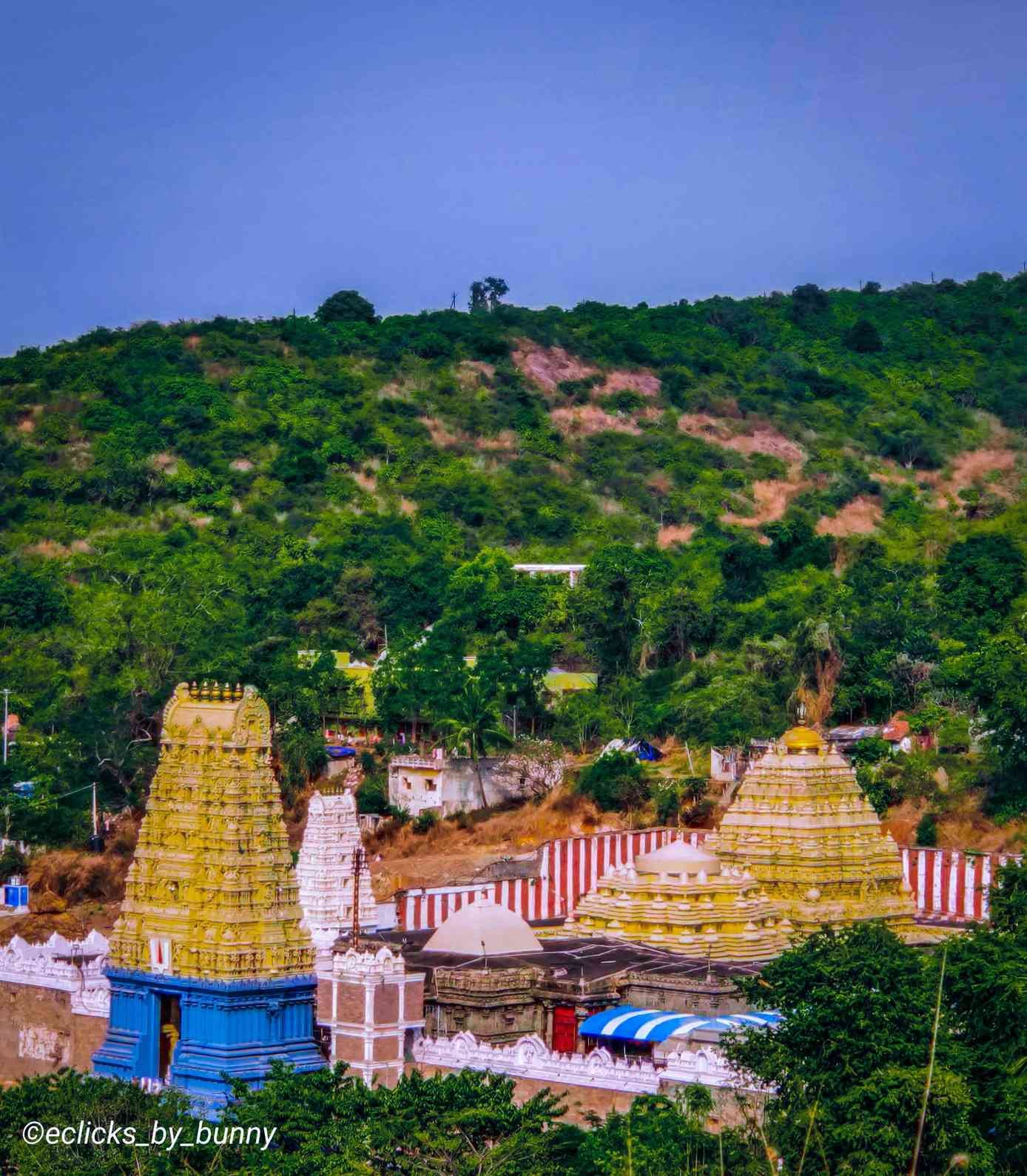
Significance Of Simhachalam Chandanotsavam: Essential Spiritual Insights
The Significance Of Simhachalam Chandanotsavam lies in its deep spiritual symbolism, rare ritual practices, and the unique opportunity it offers devotees to witness the true form of Lord Varaha Lakshmi Narasimha Swamy. Celebrated annually at the historic Sri Varaha Lakshmi Narasimha Swamy Devasthanam Official Website, this festival draws thousands of pilgrims to Simhachalam Hill in Visakhapatnam, Andhra Pradesh, and holds an important place in the devotional calendar of South India.
Introduction To Simhachalam Chandanotsavam
Simhachalam Chandanotsavam, also called Chandan Yatra or Nijaroopa Darshanam, is celebrated on the auspicious day of Akshaya Tritiya, usually falling in April or May according to the lunar calendar. On this day, the thick layer of sandalwood paste (chandanam) that covers the deity’s idol throughout the year is ceremoniously removed, allowing devotees to glimpse the deity’s original form — a rare event that happens only once annually.
On the other hand, as I stood among the thousands of devotees during my visit to Simhachalam, the air was charged with anticipation. What surprised me most was the collective breathlessness when the idol was revealed — a moment that felt both majestic and deeply humbling. Understanding Significance Simhachalam Chandanotsavam is essential. This relates to significance of simhachalam chandanotsavam.
Historical And Cultural Context
Simhachalam Temple, officially known as Sri Varaha Lakshmi Narasimha Swamy Temple, dates back to at least the 11th century, with inscriptions and architectural influences spanning various dynasties such as the Cholas, Gangas, and Vijayanagara rulers. The temple’s name — “Simhachalam” — literally means “The Lion’s Hill,” symbolic of Lord Narasimha, the powerful lion-man incarnation of Lord Vishnu.
The site combines Dravidian and Kalinga architectural styles, reflecting rich cultural and historical influences across centuries. Pilgrims view the Chandanotsavam as not just a festival, but a continuation of an ancient legacy of devotion and temple tradition.
Why Chandanotsavam Is Sacred
Nijaroopa Darshanam – The Ultimate Revelation
The central significance of the festival is the spectacle known as Nijaroopa Darshanam — the direct sight of Lord Narasimha without the sandalwood paste covering. For most of the year, the idol is encrusted in layers of chandanam, believed to represent the cooling and containment of the deity’s fierce energy. On Chandanotsavam, this layer is removed, symbolizing purity, renewal, and direct communion with the divine essence of Narasimha. This relates to Significance Simhachalam Chandanotsavam. This relates to significance of simhachalam chandanotsavam.
Spiritual Cleansing And Blessings
Devotees believe that participating in or witnessing the Chandanotsavam offers profound spiritual cleansing (moksha-pradayaka), mercy, and lifelong blessings. Many pilgrims travel hundreds of kilometers to be present on this day. During my visit, I heard personal stories of devotees who came year after year, convinced of the transformative peace they feel during the darshan.
Symbolism Of Sandalwood
Sandalwood paste is considered cooling and purifying in Hindu tradition. Covering the idol throughout the year is believed to soothe and protect devotees from the intense energy (tejas) of Lord Narasimha. The annual application and removal thus also represent cycles of inner calm, renewal, and divine grace.
Key Ritual Steps Of The Festival
Simhachalam Chandanotsavam follows time-honored procedures that involve careful temple rituals and community participation. Learn more about Significance Simhachalam Chandanotsavam. This relates to significance of simhachalam chandanotsavam.
Step 1: Preparation Before Akshaya Tritiya
Weeks before the festival, temple priests prepare sandalwood paste in designated quantities (historically around 30 kg on each application day through the year), though precise measurements may vary. The paste is applied periodically on the idol during the year’s auspicious dates.
Step 2: Early Morning Rituals
On the festival morning, usually around 4:00 AM, the ceremonial removal of the sandalwood paste begins with chants, Vedic hymns, and guided ritual actions by the temple priests. The paste is carefully stripped away and stored or immersed reverentially.
Step 3: Nijaroopa Darshanam
Once the paste is removed, devotees are allowed inside the sanctum to witness the uncovered idol. Generally, the darshan continues for up to 12-15 hours, giving pilgrims ample time for viewing and worship. Understanding Significance Simhachalam Chandanotsavam is essential. This relates to significance of simhachalam chandanotsavam.
Step 4: Reclothing And Reapplication
By late evening, the idol is adorned once again according to temple customs, resetting the year-long cycle of protective sandalwood application.
Best Practices For Devotees Attending Chandanotsavam
- Arrive Early: Security checks and queues begin before dawn due to high turnout. Planning to reach by 3-4 AM helps secure better darshan timing.
- Dress Modestly: Traditional attire — like dhoti and saree — is recommended; modest clothing respects temple decorum.
- Follow Directions: Temple volunteers and officials guide lines; follow their instructions for safety and smooth experience.
- Hydrate And Prepare: Carry water and basic belongings, especially in warmer months.
Common Mistakes To Avoid
- Coming Without Tickets: If special darshan tickets are required, obtain them in advance as they sell out quickly.
- Expecting Quiet: The festival draws lakhs of devotees, so be ready for large crowds and sound.
- Skipping Temple Rules: Phones or cameras may be prohibited inside the sanctum — respect policies.
- Not Checking Dates: Festival falls on Akshaya Tritiya; verify yearly dates ahead of your visit.
Visitor Tips And Logistics
Simhachalam Temple itself has no regular entry fee and is open daily from early morning to evening. However, special darshan passes or offerings may come with fees during festivals. Reach Visakhapatnam via road, rail, or nearby airports, and plan to stay locally if attending major events due to heavy pilgrim influx.
FAQ About Significance Of Simhachalam Chandanotsavam
What Is Chandanotsavam?
Chandanotsavam is an annual festival at Simhachalam Temple where the sandalwood paste covering Lord Narasimha’s idol is removed, revealing the deity’s original form to devotees. This relates to Significance Simhachalam Chandanotsavam. This relates to significance of simhachalam chandanotsavam.
When Is The Festival Held?
It occurs on the auspicious day of Akshaya Tritiya, which falls in April or May each year, following the Hindu lunar calendar.
Why Is This Festival So Important?
The festival’s central importance is the rare opportunity for Nijaroopa Darshanam — a direct spiritual experience that devotees consider highly auspicious and transformative.
Can Anyone Attend?
Yes, devotees from any tradition may attend, though arriving early and securing required passes is advisable due to the massive crowds. Learn more about Significance Simhachalam Chandanotsavam.
How Many People Visit This Festival?
The festival attracts well over a hundred thousand devotees from Andhra Pradesh and neighbouring states, including Odisha and Chhattisgarh.
Reflection And Personal Insight
When I visited Simhachalam for Chandanotsavam, what struck me was the contrast between the solemn tradition and vibrant congregational energy. The moment the idol was revealed, a profound hush swept the crowd. I personally recommend attending at least once, not just for spiritual fulfillment, but to appreciate the cultural depth that the Significance Of Simhachalam Chandanotsavam embodies.
Therefore, this festival beautifully illustrates how ancient rituals continue to shape collective devotion and cultural continuity in modern India.


+ There are no comments
Add yours