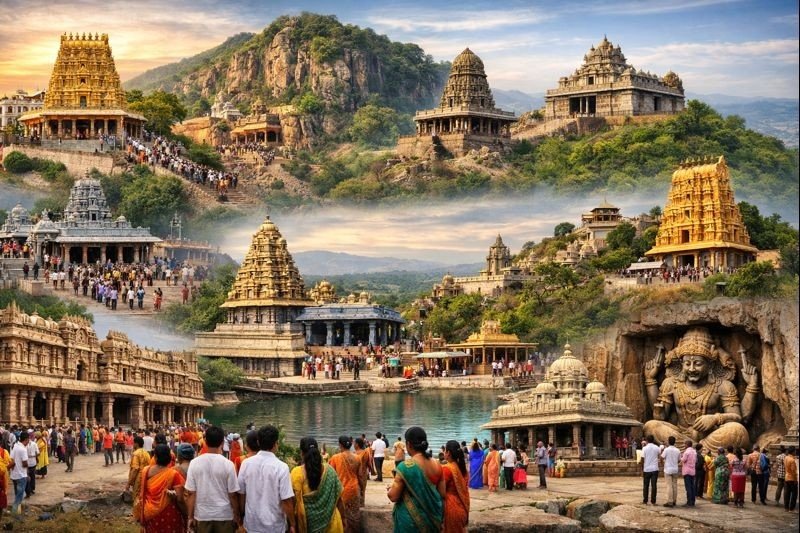
Famous Narasimha Swamy Temples In South India You Should Visit
Famous Narasimha Swamy Temples are spiritual destinations across South India that attract devotees and cultural explorers alike. These temples are dedicated to Lord Narasimha — the fierce half-lion, half-man avatar of Lord Vishnu — worshipped for protection, strength, and divine grace. South India, particularly Andhra Pradesh, Telangana, Tamil Nadu, and Karnataka, hosts many ancient and living temples where this avatar is celebrated through rituals, festivals, and legends. When I visited these temples, I was struck by the rich history, architecture, and local traditions that bring each temple to life. For official information, visit Incredible India.
Introduction To Narasimha Swamy Worship
Narasimha is the fourth avatar of Vishnu, appearing to protect Prahlada and annihilate the demon Hiranyakashipu, as described in the Vishnu Purana. Worship of Narasimha Swamy emphasizes overcoming fear, injustice, and adversity. Many sites across South India mark sacred spaces where devotees experience peace, miracles, and cultural heritage.
Top Famous Narasimha Swamy Temples In South India
The following temples are among the most renowned Narasimha Swamy shrines in South India, each with unique features, legends, and pilgrimage value: Understanding Famous Narasimha Swamy Temples is essential.
1. Sri Lakshmi Narasimha Swamy Temple, Yadagirigutta (Telangana)
The Sri Lakshmi Narasimha Swamy Temple at Yadagirigutta is one of the most visited Narasimha temples in South India. Locals call it the Yadadri Temple or Pancha Narasimha Kshetram — denoting five forms of Narasimha worshipped here. It is perched atop a small hill and draws devotees for darshan, puja, and festivals throughout the year.
Therefore, what surprised me when I visited was the panoramic view from the hilltop corridor and the serene atmosphere that envelopes the temple complex early in the morning. The temple website and devotees’ information portals provide details on festival dates and rituals.
2. Ahobilam Nava Narasimha Temples (Andhra Pradesh)
Ahobilam is famed as a group of nine Narasimha temples, known as the Nava Narasimhas, all nestled within the Eastern Ghats foothills. The main temples include Ugra Narasimha, Jwala Narasimha, and Kroda Narasimha, with smaller shrines like Yogananda and Chatravata Narasimha. Pilgrims often visit all nine during a spiritual journey to honor each form of Narasimha. This relates to Famous Narasimha Swamy Temples.
Therefore, i personally recommend starting with the lower temples at sunrise to avoid midday heat and crowds. The trek paths offer scenic rocky terrain and glimpses into local village life.
3. Sri Varaha Lakshmi Narasimha Swamy Temple, Simhachalam (Andhra Pradesh)
Sri Varaha Lakshmi Narasimha Swamy Temple in Visakhapatnam stands on Simhachalam Hill and blends Kalinga and Chola architectural styles. The deity is covered in sandalwood paste throughout most of the year, symbolizing the calm aspect of Narasimha. On Akshaya Tritiya, this covering is removed for special darshan, which draws thousands of devotees.
One of the best practices for devotees is to book darshan slots through the government portal or WhatsApp facility to avoid long queues and ensure accommodation arrangements. Learn more about Famous Narasimha Swamy Temples.
4. Penchalakona Narasimha Swamy Temple (Andhra Pradesh)
Penchalakona Temple is nestled in the hills near Nellore and holds deep spiritual resonance. Surrounded by forests and hills, this temple is celebrated for its tranquil environment and the belief that the deity protects devotees from negative forces.
Devotees often combine this visit with nature walks and birdwatching, making it ideal for spiritual and ecological tourism.
5. Sri Hemachala Lakshmi Narasimha Swamy Temple, Mallur (Telangana)
The Hemachala temple in Mallur has an ancient legacy, and devotees share intriguing experiences about the idol’s texture and ritual occurrences. Some visitors describe a lifelike sensation at the statue and fluid phenomena attributed to divine presence.
Additionally, when I visited, the climb to the hilltop shrine offered refreshing views of the countryside — a perfect serene backdrop for contemplation.
6. Kadiri Sri Lakshmi Narasimha Swamy Temple (Andhra Pradesh)
The Kadiri temple, built in the 14th century, features a striking idol of Narasimha along with Prahlada in grace. This temple has several historical elements, such as its four rajagopurams and ancient carvings that narrate local folklore.
Best practice here is to check temple opening hours ahead of the visit, as rituals are scheduled at specific times of the day.
7. Diguva Mangalagiri Lakshmi Narasimha Temple (Andhra Pradesh)
Mangalagiri’s temple is one of the famed shrines perched atop a small hill overlooking the town. Pilgrims climb several hundred steps to reach the sanctum of Narasimha and seek blessings.
The surrounding town is known for its rich cultural heritage, and local guides can improve your understanding of temple history.
8. Other Notable Temples (Tamil Nadu & Karnataka)
Tamil Nadu and Karnataka also host many revered Narasimha temples. For example, the Namakkal Narasimha Temple in Tamil Nadu is famed for its rock-cut shrine where Narasimha emerges from the hill face.
In Karnataka, temples like the Yoga Narasimha at Melukote and Seebi Narasimha Swamy Temple offer unique architectural and mythological insights into Narasimha worship.
How To Plan Your Pilgrimage To Narasimha Swamy Temples
Planning a visit to these temples requires preparation, especially if you intend to visit multiple sites:
Select The Right Season
South India’s climate varies — the winter months (November to February) offer pleasant weather for temple tours. Summers can be hot, especially in Andhra Pradesh and Telangana, so early morning visits are recommended.
Check Temple Timings And Ritual Days
Most temples open early (around 6:00 AM) and close by 1:00 PM, then reopen in the evening (around 4:00 PM to 8:00 PM). Special festival days like Narasimha Jayanti attract crowds and require advance planning.
Book Accommodation In Advance
Major temples like Simhachalam and Yadagirigutta offer online booking for darshan and stays — a useful step to avoid last-minute hassles.
Tips And Best Practices For Temple Visits
- Dress according to temple norms — modest and respectful attire.
- Follow temple protocols, such as removing footwear and maintaining silence in sanctums.
- Carry water and light snacks if visiting multiple temple locations in one trip.
- Use local guides where available — they often share historical and spiritual narratives you might miss.
Common Mistakes To Avoid
- Not verifying temple timings beforehand — some change during festivals.
- Underestimating travel time between sites — distances can be long in rural areas.
- Forgetting local holidays — some temples close on specific festivals or full moon days.
FAQs About Famous Narasimha Swamy Temples
What Is The Significance Of Narasimha Avatar?
Narasimha represents the divine protection of devotees and the victory of righteousness over evil, as narrated in Hindu scriptures like the Vishnu Purana.
When Is The Best Time To Visit These Temples?
Winter months (November–February) offer cool weather, but festival days like Narasimha Jayanti see higher crowds and require advance planning.
Do These Temples Charge Entry Fees?
Most temples do not charge an entry fee. However, specific rituals, special darshan, and offerings may have associated charges, depending on the temple’s management.
Can I Visit Multiple Temples In One Trip?
Yes, but plan routes carefully. For example, combining visits to Simhachalam and Penchalakona in Andhra Pradesh is feasible with proper scheduling.


+ There are no comments
Add yours