Pitru Paksha 2026 runs from Saturday, 26 September to Saturday, 10 October, and the crowning day, Mahalaya Amavasya, falls on 10 October 2026. This fortnight is when Hindu families remember their ancestors through Tarpan, Shraddha and Pind Daan. If you are planning the rites, you need the correct dates first, because a wrong date circulated online can send you to the ghat on the wrong day. So this guide gives the verified schedule, the tithi-wise logic, the rituals, and the scams to sidestep.
The dates matter more than most people realise. The old 2021 and 2022 dates still float around search results, yet they are useless now, since the lunar calendar shifts every year. Treat this page as your verified planner for Pitru Paksha 2026, cross-checked against authoritative panchangam sources for the current year. Below you will find the full, city-adjustable schedule.
Pitru Paksha 2026: Essential Dates at a Glance
Here is the quick-reference summary before we go deeper. Keep these dates handy while you plan the fortnight.
- Bhadrapada Purnima Shraddha: Saturday, 26 September 2026 (the opening rite, one day before the fortnight proper).
- Pratipada Shraddha (fortnight begins): Sunday, 27 September 2026.
- Mahalaya / Sarva Pitru Amavasya (final and most important day): Saturday, 10 October 2026.
- Duration: a 15 to 16 lunar-day period in the Bhadrapada–Ashwin fortnight.
- Reckoning: South Indian Amanta and North Indian Purnimanta calendars land on the same days.
These are the India dates. Because a tithi begins and ends at different clock times in different cities, always confirm your local timing on an authoritative panchangam before the ritual.
When Is Pitru Paksha 2026? Start and End Dates
Pitru Paksha 2026 begins with Bhadrapada Purnima Shraddha on 26 September and the first tithi, Pratipada, on 27 September 2026. It then closes on Mahalaya Amavasya, which is Saturday, 10 October 2026. The word itself is simple: “Pitru” means ancestors, and “Paksha” means a lunar fortnight.
This period always sits in the Krishna Paksha, the waning phase of the moon. Because the Hindu calendar is lunar, the Gregorian dates move by roughly a fortnight each year. That is exactly why last year’s article no longer works, and why you should follow the verified 2026 schedule above.
Families treat the fortnight as a solemn, reflective time rather than a celebration. Auspicious events like weddings, engagements, house-warmings and big new purchases are traditionally paused until it ends.
North vs South: Same Days, Different Names
A common worry is that North and South India observe Shraddha on different dates. In practice, they do not. The confusion comes only from the names of the lunar months, not from the actual days.
According to the Amanta calendar followed across Andhra Pradesh, Karnataka, Tamil Nadu and Kerala, the fortnight falls in the month of Bhadrapada. The north’s Purnimanta calendar counts the same fortnight in Ashwina. Since it is only the month label that differs, both traditions perform the rites on the same calendar days. So a Telugu family and a family in Uttar Pradesh will offer Tarpan on 10 October 2026 alike.
Pitru Paksha 2026 Tithi-Wise Shraddha Dates
Shraddha is ideally performed on the tithi that matches the day your ancestor passed away, not on a random date. Each of the 16 days maps to a lunar tithi, from Pratipada through to Amavasya. If your elder died on a Navami, for example, you perform their Shraddha on the Navami of this fortnight.
The fortnight moves in sequence: Pratipada on 27 September, then Dwitiya, Tritiya, Chaturthi and onward through the Krishna Paksha tithis, until it reaches Chaturdashi and finally Sarva Pitru Amavasya on 10 October 2026. Special nakshatra days such as Maha Bharani and Magha Shraddha also fall within this window.
One caution here matters. Because a tithi can start or end on either side of sunrise, the exact Gregorian date of a mid-fortnight tithi can vary by a day between cities. Rather than trust a fixed table copied from another town, check the tithi for your city on Drik Panchang’s Pitru Paksha Shraddha page and set it to your location. This single step prevents the most common date error.
Which Day If You Do Not Know the Tithi?
Many families no longer remember the exact tithi of an ancestor’s death. For them, tradition gives a clear answer: perform the rite on Sarva Pitru Amavasya, 10 October 2026. This day is meant precisely for all ancestors whose death dates are unknown or forgotten.
Mahalaya Amavasya is also the catch-all if you missed any of the earlier days. If work or travel kept you from the correct tithi, you can still honour every ancestor together on this final Amavasya. That is why tradition names it the most significant day of the whole fortnight.
Rituals to Perform During Pitru Paksha 2026
The rites of Pitru Paksha 2026 rest on gratitude, not fear. Each one is a way of repaying the ancestral debt, or Pitru Rina, that Vedic tradition says every person carries. Here are the core observances.
Tarpan
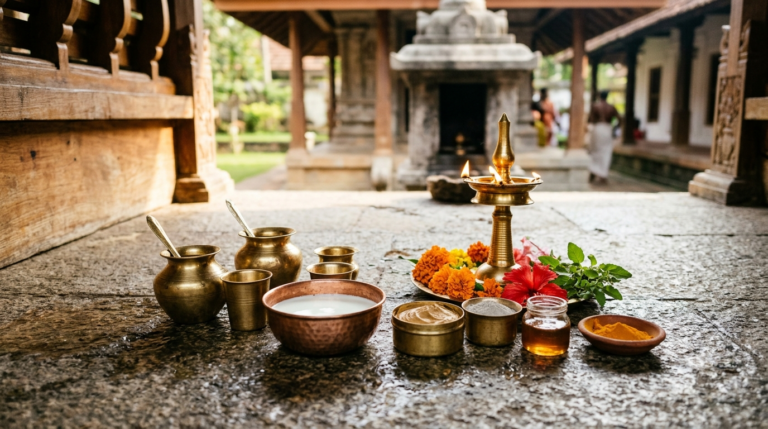
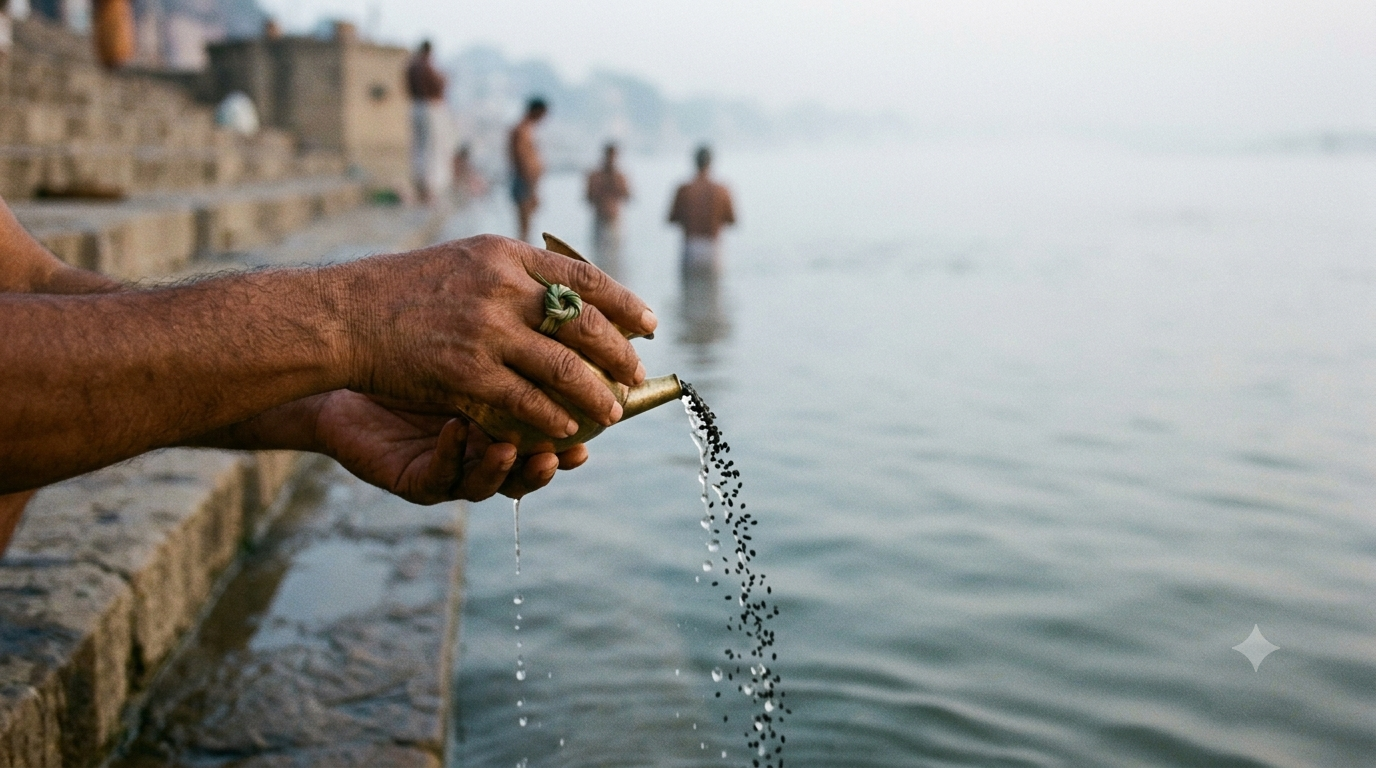
Tarpan is the daily offering of water mixed with black sesame seeds and, where used, barley. The family member takes an early bath and offers the water while facing south, reciting the ancestors’ names and gotra. Many perform it at a river; others do it at home under a purohit’s guidance.
Pind Daan
Pind Daan is the offering of rice balls, or pindas, made from cooked rice, barley flour, sesame, milk, honey and ghee. Each pinda represents three generations of ancestors. Gaya in Bihar ranks as the foremost place for this rite, though you can perform it elsewhere with a knowledgeable priest.
Brahmin Bhojan and Daan
Tradition treats feeding Brahmins and the needy as feeding the ancestors themselves. Families also give Anna Daan (food) and Vastra Daan (clothes) as charity. This act of generosity on the ancestors’ behalf carries as much merit as the ritual itself.
Kagwal: Feeding Crow, Cow and Dog
The family sets aside a portion of the Shraddha meal for a crow, a cow and a dog. Tradition holds that the crow, in particular, carries the offering to the departed. Because the gesture is simple, even families who cannot arrange a full ceremony can observe it sincerely.
Where to Perform the Rites
You can perform Tarpan and Shraddha at home, at a local river, or at a recognised tirtha. Certain riverside sites, however, carry special power during this fortnight.
- Gaya (Bihar): the Falgu river and Vishnupad temple, the foremost site for Pind Daan. The Bihar government runs a large official Pitru Paksha Mela here each year.
- Kashi (Varanasi): dawn Tarpan on the Ganga ghats.
- Nashik: Shraddha and Pind Daan on the Godavari, especially around Ramkund.
- Rameswaram: a favoured southern site for Pitru rituals.
- Prayagraj and Haridwar: long-established Tarpan sites on the Ganga.
South Indian families often perform Pitru Karma at the Godavari and other local sacred waters, so you need not travel far for the rite to be valid. For details on the month that hosts this fortnight, see our guide to the Bhadrapada Masam Telugu calendar. You can also read the step-by-step Pitru Tarpanam vidhi in Telugu before you begin.
Common Mistakes and Scams to Avoid in Pitru Paksha 2026
Pitru Paksha 2026 attracts a wave of misinformation online, and some of it can cost you money. Watch for these traps before you plan.
Recycled old dates. Many pages still show 2021, 2023 or 2024 dates near the top. Because the fortnight shifts yearly, only a source dated for 2026 is safe. Cross-check the day against Drik Panchang before you commit.
Fake “online booking” portals. A qualified purohit performs Tarpan and Shraddha in person, either at your home or at a ghat. There is no official nationwide portal that “books” the ritual itself.
Some private sites collect upfront fees or personal details for services that cost little when arranged directly. So verify the priest, temple or ghat trust yourself, and avoid any page demanding a heavy processing fee.
Confusing the day. If the exact tithi is unknown, the correct day is Sarva Pitru Amavasya, not just any convenient date. Getting this right honours the intent of the rite.
What If You Miss the Correct Day?
Life gets in the way, and missing the exact tithi is common. Fortunately, the tradition builds in a fallback rather than leaving you stranded.
If you miss your ancestor’s specific tithi, offer the rite on Sarva Pitru Amavasya, 10 October 2026, which covers all ancestors at once. If you cannot travel to Gaya or Kashi, a local river or even a home Tarpan with a purohit is fully valid. And if a complete ceremony is impossible, scriptures accept sincere Anna Daan and feeding of Brahmins, crows and cows as a worthy substitute. In short, there is almost always a legitimate way to honour your elders.
Health and Safety During the Rituals
Shraddha often involves fasting, early-morning river bathing and long hours of ritual. These carry real physical demands, so a little caution helps. If you are elderly, pregnant, diabetic or unwell, talk to a doctor before fasting through the day.
Ghats grow crowded and slippery during this fortnight, and river currents can be strong after the monsoon. Bathe only in demarcated, safe areas, and keep an eye on children and older relatives. Carry drinking water and any regular medication with you. Faith and common-sense safety go together, and you need not give up one for the other.
A Quick Note on Independence
Sri Vyasa Pooja is an independent information guide. It is not affiliated with, endorsed by, or the official website of any temple, mutt or Devasthanam, and it does not accept bookings, donations or payments. For rituals and reservations, use the official temple or ghat trust directly, and confirm dates on an authoritative panchangam such as Drik Panchang.
The Bottom Line
Pitru Paksha 2026 falls between 26 September and 10 October, with Mahalaya Amavasya on Saturday, 10 October. Perform each ancestor’s Shraddha on their matching tithi where you can, and use Sarva Pitru Amavasya for anyone whose date you do not know. Keep the rites simple, verify the dates for your city, and steer clear of any portal asking for upfront fees. Honoured with sincerity, the fortnight is less about ceremony and more about remembering the people who came before you.
Frequently Asked Questions
What are the exact Pitru Paksha 2026 dates?
Pitru Paksha 2026 runs from 26 September to 10 October in India. Bhadrapada Purnima Shraddha is on 26 September, the fortnight’s first tithi (Pratipada) is on 27 September, and Mahalaya Amavasya is on Saturday, 10 October 2026.
When is Mahalaya Amavasya in 2026?
Mahalaya Amavasya, also called Sarva Pitru Amavasya, falls on Saturday, 10 October 2026. It is the final and most important day of the fortnight and the day for ancestors whose death tithi is unknown.
Do North and South India observe Pitru Paksha on different days?
No. Only the lunar-month names differ, Bhadrapada in the south and Ashwina in the north. The actual rite days are the same, so both regions offer Shraddha on the same calendar dates in 2026.
Can Pitru Paksha rituals be done at home?
Yes. You can perform Tarpan and Shraddha at home with a qualified purohit, or at a local river. Travel to Gaya or Kashi adds merit but is not compulsory for a valid rite.
Which day should I choose if I do not know my ancestor’s tithi?
Choose Sarva Pitru Amavasya, 10 October 2026. This day serves all ancestors whose death date is forgotten or unknown, and it also covers any tithi you may have missed.
Is there an official online booking for Pitru Paksha rituals?
No single official nationwide portal books the ritual itself. Arrange a purohit at your home, temple or ghat directly, and be cautious of private sites charging heavy upfront fees or collecting personal data.
What should be avoided during Pitru Paksha?
Traditionally, families pause weddings, engagements, house-warmings and major new purchases during the fortnight. Many also avoid non-vegetarian food and alcohol and keep their conduct simple and reflective.