Rakhi Purnima date changes every year because Raksha Bandhan follows Shravana Purnima in the Hindu lunar calendar, not a fixed Gregorian date. The next Raksha Bandhan falls on Tuesday, 17 August 2027 in India. However, the exact tying window depends on local Purnima and Bhadra timings, so families should confirm the muhurat for their city before the festival.
Sri Vyasa Pooja is an independent devotional guide. We are not affiliated with any temple, trust, or religious authority, and we do not accept bookings, donations, or payments.
Rakhi Purnima Date at a Glance
- Next Raksha Bandhan: Tuesday, 17 August 2027 in India.
- Lunar day: Shravana Shukla Purnima.
- Main ritual: tying the rakhi during a suitable Bhadra-free period while Purnima applies.
- Why dates differ online: some pages list the Purnima-vrat day, while others list the Raksha Bandhan ceremony day.
- Regional names and observances: Raksha Bandhan, Narali Purnima, Kajari Purnima, Shravani or Upakarma, and related Shravana Purnima traditions.
The most useful rule is simple: do not copy last year’s calendar date forward. Instead, check the Shravana Purnima tithi and the Bhadra period for the specific year and city.
What Is the Rakhi Purnima Date?
The Rakhi Purnima date marks Raksha Bandhan during Shravana Purnima. It normally falls in August, although the exact Gregorian date shifts because the Hindu calendar follows lunar tithis. The festival is therefore fixed by the Purnima tithi, not by a numbered date in the Western calendar.
For the next observance, Drik Panchang and Apna Panchang both place Raksha Bandhan on Tuesday, 17 August 2027 in India. Purnima begins on 16 August and continues into 17 August, while the usable ceremony period depends on local sunrise and the end of Bhadra.
This location factor matters. Sunrise differs from Delhi to Hyderabad, Chennai, Mumbai, and other cities, so the start of the practical ceremony window can shift by several minutes. The festival date may stay the same across most of India even when the clock time changes.
Why Rakhi Purnima Does Not Fall on the Same Date Every Year
Rakhi follows the Hindu lunar calendar, so it moves against the Gregorian calendar each year. Shravana Purnima is the full-moon tithi of the Shravana month. Since lunar months do not line up exactly with January-to-December dates, Raksha Bandhan shifts from year to year.
An adhika masa, or extra lunar month, can move later festivals even more. This is why an old festival page becomes unreliable very quickly if someone changes only the year in the title. Panchang calculations must determine each year’s tithi afresh.
There is another source of confusion. A Purnima tithi can begin on one civil date and end on the next, so two calendar dates may both contain part of the same tithi. The correct observance then depends on the ritual rule, local sunrise, Bhadra, and the purpose of the observance.
Rakhi Purnima Date and Purnima Vrat Are Not Always the Same
The Rakhi Purnima date and the Shravana Purnima-vrat date can differ. That is not necessarily a calendar error. Fasting traditions and the Raksha Bandhan thread ceremony use different decision rules, even though both relate to the same Purnima tithi.
For example, a panchang may place the Purnima fast on the previous day while assigning Raksha Bandhan to the next morning. The difference happens when Purnima spans two civil dates and Bhadra or sunrise rules affect the rakhi ceremony.
This distinction explains many conflicting search results. Before assuming one website is wrong, check whether it is describing the Purnima fast, the full-moon tithi, or the Raksha Bandhan thread ceremony. Those observances connect to the same Purnima, yet calendars do not always label them with the same date.
How Is the Rakhi Muhurat Decided?
Common Hindu panchang practice chooses the rakhi muhurat while Shravana Purnima is active and outside Bhadra. Local sunrise also matters, so one national clock time cannot correctly serve every city.
Panchangs identify Bhadra with Vishti Karana. Many families avoid tying rakhi during this period. If Bhadra ends before sunrise, the usable window can begin from local sunrise and continue while Purnima remains active.
Because the clock time is location-sensitive, check a city-specific panchang shortly before the festival. This is more reliable than saving a screenshot from a previous year or forwarding an old WhatsApp timetable.
What if two panchangs show slightly different times?
Small timing differences can happen because panchangs may use different reference cities, calculation settings, or sunrise points. First compare the location shown on each page. Then follow the panchang traditionally used by your family or local priest if the difference affects the ceremony.
The date itself is usually easier to confirm than an exact minute. For that reason, this guide gives the verified annual date but treats local muhurat as city-specific.
Rakhi Purnima Puja Vidhi at Home
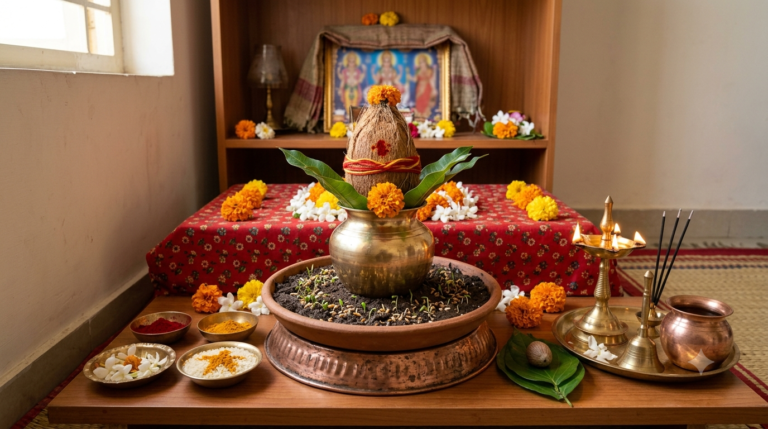
Families can perform a simple Raksha Bandhan ritual at home without making it elaborate. Family customs differ, so keep your household tradition where it varies from the steps below. The central act is the tying of the rakhi with a prayer for well-being, affection, and mutual support.
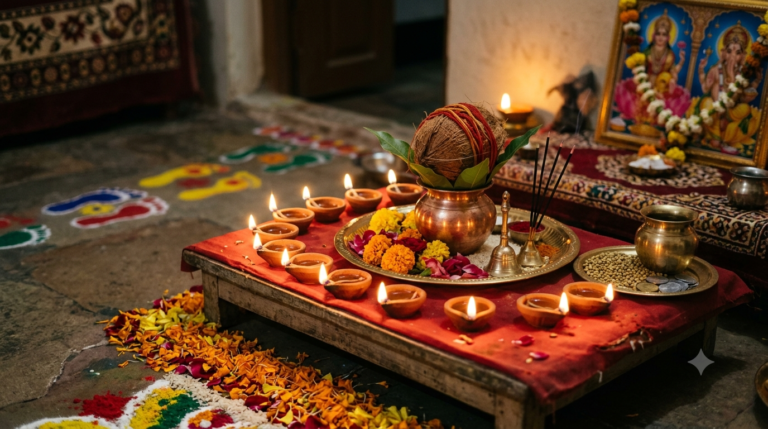
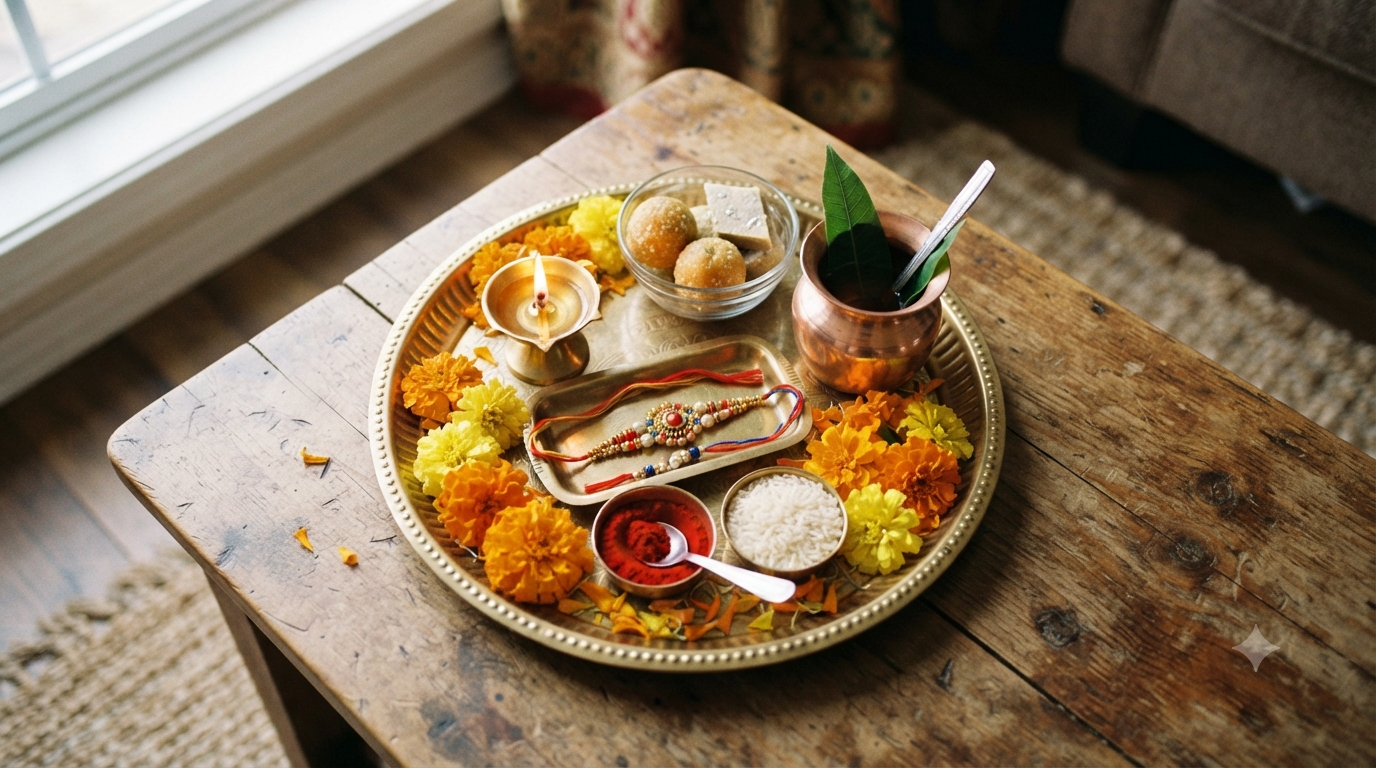
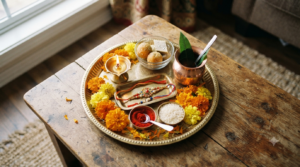
- Prepare the thali. Keep the rakhi, kumkum or roli, akshata, a small diya, sweets, and flowers together before the chosen muhurat.
- Begin with prayer. Light the lamp and remember your family deity or chosen form of God according to your tradition.
- Apply tilak. The sister applies kumkum or roli to her brother’s forehead and may add akshata.
- Perform aarti. Move the lit lamp carefully in front of the brother according to family custom.
- Tie the rakhi. Tie the sacred thread on the wrist during the Bhadra-free Purnima period.
- Exchange sweets and blessings. Families commonly finish with sweets, gifts, and mutual blessings.
The ritual can also express care beyond a strict brother-sister format. Customs differ across families and regions, so the meaning of protection and affection matters more than copying one fixed household sequence.
What Should Be on a Rakhi Puja Thali?
A basic Rakhi thali usually includes only a few items, so there is no need to overcomplicate it. Prepare the items in advance because the practical muhurat can be short in some years.
| Item | Purpose | Simple substitute |
|---|---|---|
| Rakhi | Sacred protection thread | Clean traditional thread |
| Kumkum or roli | Tilak | Family’s usual tilak material |
| Akshata | Unbroken rice used with tilak | Plain uncooked rice |
| Diya | Aarti and prayer | Small safe oil or ghee lamp |
| Sweets | Shared after the ritual | Fruit or homemade sweet |
| Flowers | Offering | Any clean fresh flowers used at home |
Use what your household already follows. The festival does not require an expensive thali, designer rakhi, or a large list of purchased items.
Regional Traditions on Shravana Purnima
Rakhi is only one observance connected with Shravana Purnima. The same full-moon period carries different customs across India, so a page that treats every region as identical misses much of the festival’s meaning.
Narali Purnima in Maharashtra and coastal regions
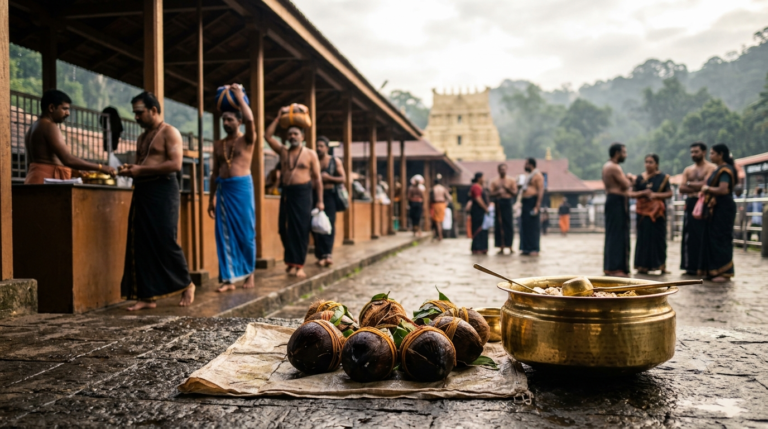
Coastal communities in Maharashtra and the Konkan observe Narali Purnima with prayers connected with the sea and Lord Varuna. Coconut offerings are a well-known part of the custom, especially among fishing communities.
Upakarma and Avani Avittam
Many Brahmin communities observe Vedic Upakarma around Shravana Purnima. The sacred-thread renewal is widely known as Avani Avittam in South India, although the exact Upakarma date can depend on Vedic branch and regional panchang rules.
Kajari Purnima and other local observances
Parts of central and northern India observe Kajari Purnima with agricultural and household traditions. Shravana Purnima is also associated with other devotional observances in different regions, so local customs may add rituals beyond Raksha Bandhan.
Rakhi Purnima Date: Common Mistakes to Avoid
The Rakhi Purnima date is easy to misread when a search result shows only one line of a panchang. The biggest mistake is assuming that the moment Purnima begins automatically becomes the festival date.
- Do not reuse an old year’s date. Check lunar tithis again for every year.
- Do not confuse Purnima Vrat with Raksha Bandhan. They can fall on adjacent civil dates.
- Do not ignore Bhadra. Many traditions avoid the rakhi ceremony during Bhadra.
- Do not copy a muhurat without checking the city. Sunrise and local timing affect the usable window.
- Do not treat one regional custom as universal. Family and sampradaya traditions can differ.
For a related Shravana observance, see our Varalakshmi Vratam pooja vidhanam. You can also compare festival-date planning with our Diwali Lakshmi Pooja guide.
How to Check the Correct Rakhi Purnima Date Every Year
The safest yearly method is to check a reliable panchang for your city rather than trusting a recycled festival article. Drik Panchang’s Raksha Bandhan calendar provides the festival date, Purnima tithi and city-specific ceremony timings.
- Open a recognised panchang close to the festival.
- Select your city or the nearest major city.
- Confirm the Raksha Bandhan date for that year.
- Check when Purnima begins and ends.
- Check whether Bhadra overlaps the daytime ceremony period.
- Use the local Bhadra-free window rather than a nationwide forwarded time.
You can also cross-check the lunar day against the daily Hindu Panchang. This method keeps the article evergreen because only the annual date and timing details need updating.
Meaning and Significance of Raksha Bandhan
Raksha Bandhan centres on a sacred thread and a relationship of care. In the most familiar household form, a sister ties rakhi to her brother, offers prayers for his well-being, and receives his promise of support and affection.
Families interpret that bond in different ways. Some place greater emphasis on protection, while others treat the ritual as a mutual promise of responsibility and lifelong connection. The custom has also expanded in many homes to include cousins and close family relationships.
Religious stories linked with rakhi vary across texts and regional traditions. It is better to treat those stories as devotional traditions rather than claiming that one legend alone created the modern festival.
Can You Fast on Rakhi Purnima?
Some devotees observe a Purnima fast on Shravana Purnima, while many families celebrate Raksha Bandhan without fasting. The practice depends on household tradition, health, and the particular vratam being followed.
If you choose to fast, keep the physical demand in mind. People who are pregnant, elderly, diabetic, taking regular medication, or managing another medical condition should seek professional medical advice before attempting a strict fast. Devotional practice should not replace necessary food, water, or treatment.
Rakhi Purnima Date: What to Remember Before the Festival
Always check the Rakhi Purnima date for the specific year because Shravana Purnima shifts on the Gregorian calendar. For the next observance, Raksha Bandhan falls on Tuesday, 17 August 2027 in India.
More importantly, confirm the city-specific tying window because Bhadra and local sunrise affect the practical muhurat. Keep the ritual simple, follow your family tradition, and distinguish the Raksha Bandhan ceremony from the separate Purnima-vrat date when calendars appear to disagree.
Frequently Asked Questions
When is the next Rakhi Purnima?
The next Raksha Bandhan falls on Tuesday, 17 August 2027 in India. The exact tying window depends on your city, so check the local Purnima and Bhadra timings before the festival.
Is Rakhi always celebrated on Purnima?
Yes. Raksha Bandhan falls during Shravana Purnima. However, the civil date used for the ceremony depends on when Purnima prevails and whether Bhadra affects the suitable tying period.
Why do some calendars show two dates for Raksha Bandhan?
Purnima can span parts of two civil dates, so search results may show both. Some pages also mix the Purnima-vrat date with the Raksha Bandhan ceremony date, which creates extra confusion.
Can rakhi be tied during Bhadra?
Many Hindu panchang traditions advise against tying rakhi during Bhadra. Families usually wait for a Bhadra-free period while Purnima is still active, although local and family customs may vary.
Does Rakhi muhurat change by city?
Yes. Local sunrise changes by location, and the usable window can therefore begin at different clock times. Always check a city-specific panchang rather than relying on one nationwide time.
Is Rakhi Purnima the same as Shravana Purnima?
Families celebrate Rakhi on Shravana Purnima, but the full-moon day also carries several regional observances. These include Narali Purnima, Upakarma or Avani Avittam traditions, and Kajari Purnima in some regions.
What is the basic Rakhi puja procedure?
Prepare the rakhi, tilak, akshata, diya, sweets, and flowers. After a short prayer, apply tilak, perform aarti, tie the rakhi during a suitable Bhadra-free period, and finish with sweets and family blessings.
Can Raksha Bandhan be celebrated without an elaborate puja?
Yes. A simple family ritual is enough. The sacred thread, prayer, affection, and mutual commitment are more important than expensive decorations or a long list of ceremonial items.