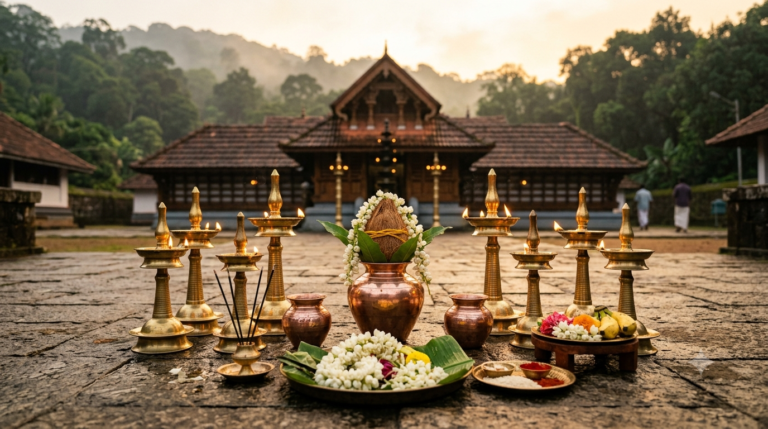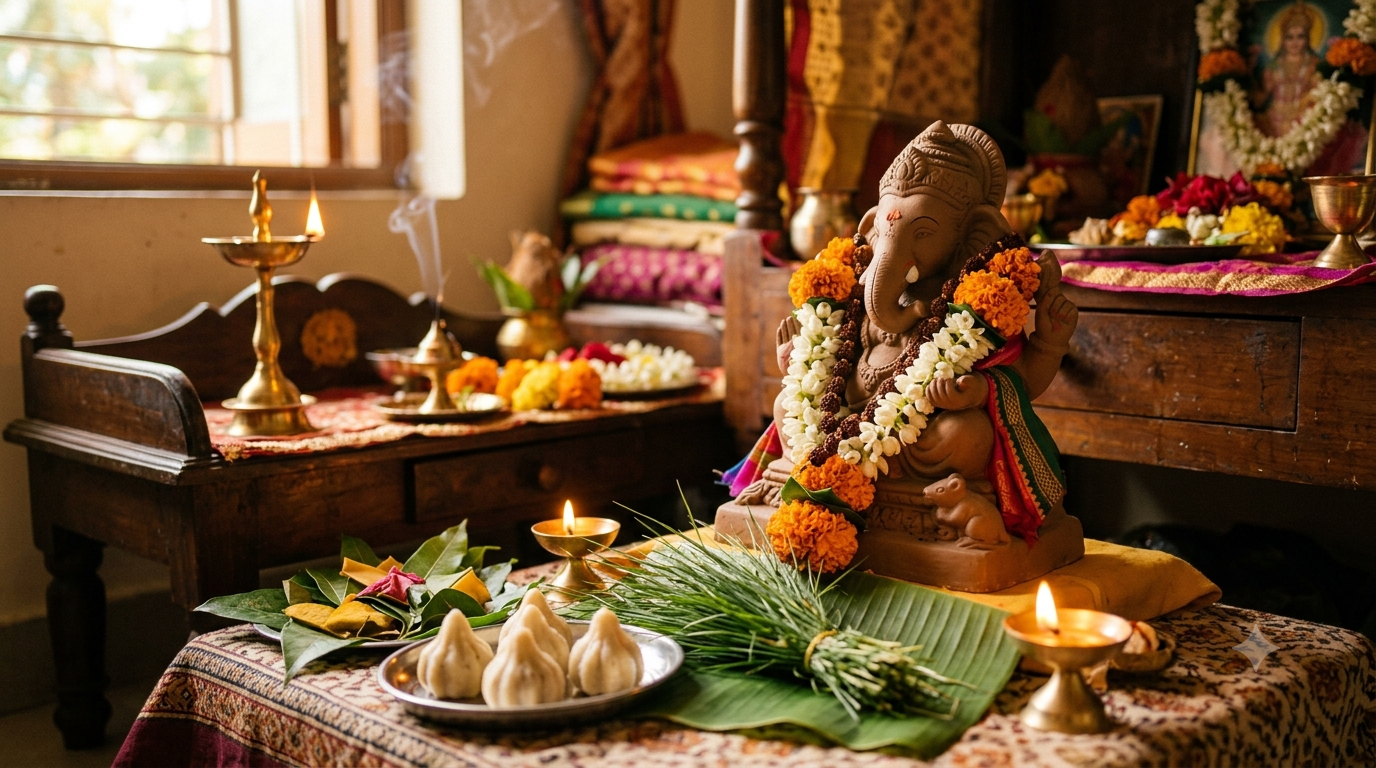
The significance of Vinayaka Chaturthi goes far beyond the sweets and the clay idols you see every year. This festival marks the birth of Lord Ganesha, the deity Hindus invoke before any new beginning. Behind each ritual sits a layer of meaning that most guides skip entirely. Understand that meaning, and the pooja stops being a routine and becomes something you feel.
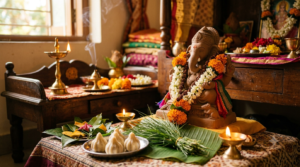
Vinayaka Chaturthi at a Glance
- What it marks: the birth of Lord Ganesha (Vinayaka), the remover of obstacles.
- When: the Chaturthi tithi of Shukla Paksha in Bhadrapada month, usually August or September.
- 2026 date: Monday, 14 September 2026.
- Core ritual: installing and worshipping a clay idol, then immersing it on Anant Chaturdashi.
- Favourite offering: modak, the sweet dumpling linked with Ganesha.
What Is the Significance of Vinayaka Chaturthi?
The significance of Vinayaka Chaturthi lies in what Ganesha represents: the power to clear obstacles before any worthy task begins. Devotees welcome him as Vighnaharta, the remover of hurdles, and as Buddhi Pradata, the giver of wisdom. So the day is less about spectacle and more about a fresh, unblocked start.
Because Ganesha is the lord of beginnings, families time new ventures, studies, and prayers around his blessing. The festival simply gives that idea a shape everyone can join.
Why Ganesha Is Always Worshipped First
In almost every Hindu ritual, people honour Ganesha before any other deity. He is called Prathama Pujya, the first to be worshipped. This custom exists because no prayer or project should start with hurdles in the way.
When you invoke him first, you are really asking for a clear mind and a clear path. That single idea sits at the core of the significance of Vinayaka Chaturthi.
The Story Behind Ganesha’s Birth
The birth story explains why this deity feels so human. Goddess Parvati shaped a boy from sandalwood paste and gave him life. She then asked him to guard her door while she bathed.
When Lord Shiva returned, the boy refused to let him pass. In the clash that followed, the boy lost his head. To console a grieving Parvati, Shiva fixed an elephant’s head on him and blessed him as Ganesha.
So the elephant head is not a random image. Instead, it carries a promise of renewal and a fresh start after loss. That theme of new beginnings runs right through the festival.
The Many Names of Ganesha
Ganesha answers to dozens of names, and each one holds a clue. Vinayaka means the supreme leader who needs no guide above him. Vighneshwara marks him as the master of obstacles, while Gajanana points to his elephant face.
Ekadanta recalls his single tusk, and Ganapati names him the lord of the ganas. When you learn these names, the deeper significance of Vinayaka Chaturthi becomes far easier to feel.
The Historical Significance of Vinayaka Chaturthi
The historical significance of Vinayaka Chaturthi surprises many people. For centuries, families worshipped Ganesha quietly at home on this tithi. The grand public version is much younger than most assume.
Chhatrapati Shivaji Maharaj encouraged the festival to build cultural pride during Maratha rule. Later, in the late 19th century, freedom fighter Lokmanya Bal Gangadhar Tilak turned it into a large public event. Because British law restricted political gatherings, Tilak used the festival to bring people together and stir national unity.
So the public pandals and processions are only about 130 years old, while the home pooja itself is ancient. That contrast is one detail competing pages often get wrong.
The Symbolism Behind Ganesha’s Form
Every part of Ganesha’s form carries a lesson, not just a look. Traditional teaching reads his body as a guide for living wisely. This symbolism is a big reason the deity feels so relatable.
The table below sums up the interpretations passed down through tradition.
| Feature | What tradition says it means |
|---|---|
| Elephant head | Wisdom and the courage to think big |
| Large ears | Listen more before you act |
| Small mouth | Speak less, and speak kindly |
| Broken tusk | Sacrifice made for a higher goal |
| Mouse (vahana) | Desire and ego kept under control |
| Modak in hand | The sweet reward of steady effort |
These meanings are matters of tradition and belief, so treat them as guidance rather than fixed doctrine. Still, they explain why Ganesha appeals to children and elders alike.
The Spiritual Significance of Vinayaka Chaturthi Pooja
The spiritual significance of Vinayaka Chaturthi pooja lies in intention, not expense. Ganesha is famously easy to please. A leaf, a flower, some water, and honest devotion are enough.
Traditionally the worship follows Shodashopachara, a set of sixteen steps for honouring a guest. Devotees also offer 21 types of leaves, known as patri, and many of these plants carry real medicinal value. Because nature and faith meet here, the ritual quietly ties the two together.
The Role of Modak and Simple Offerings
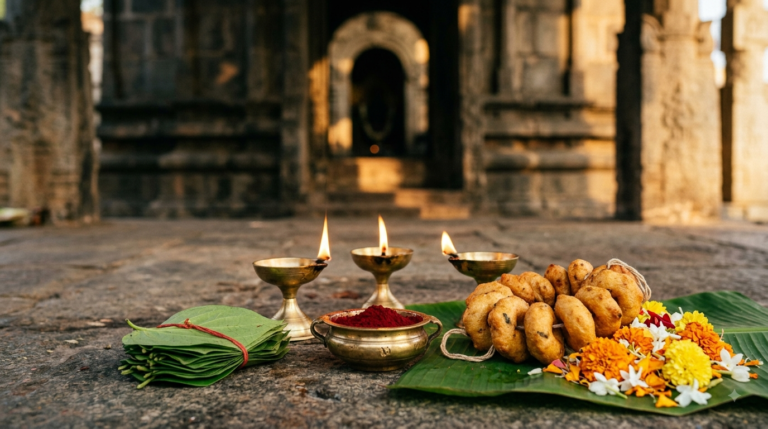
Modak, the steamed sweet dumpling, is tied to Ganesha for a reason. It stands for the sweetness that follows inner effort. Since the offering is steamed and oil-free, it also points to a lighter, healthier way of eating during the season.
Key Vinayaka Chaturthi Rituals and What They Mean
The pooja moves through a few clear stages, and each one holds meaning.
Pran Pratishtha
Here you invite the idol to hold divine presence. With a short chant, a plain clay figure becomes a worshipped form. This step marks the moment the guest truly arrives.
Shodashopachara Puja
Next comes the sixteen-step worship: bathing, dressing, flowers, incense, lamp, and food. Because it mirrors how you would treat an honoured visitor, it teaches hospitality as devotion.
Visarjan or Immersion
Finally, families immerse the idol after one and a half, three, five, seven, or eleven days. This farewell reminds devotees that every form must dissolve and return. In 2026, the grand immersions fall around Anant Chaturdashi on 24 September.
How to Perform a Simple Vinayaka Chaturthi Pooja at Home
You do not need a priest or a grand setup to observe the day. A clean space and a sincere heart are the real requirements. Follow these easy steps.
- Clean the pooja area and take an early bath.
- Place a small clay Ganesha idol on a decorated platform.
- Light a lamp, then offer flowers, durva grass, and patri leaves.
- Offer modak or any simple sweet as naivedyam.
- Recite a short Ganesha mantra or aarti with folded hands.
- Close with camphor aarti, and share the prasadam with family.
For a detailed vidhi with mantras, you can also download our Ganesh Chaturthi pooja vidhi guide.
When Is Vinayaka Chaturthi Celebrated?
Vinayaka Chaturthi falls on the fourth day of the waxing moon in Bhadrapada month. On the Gregorian calendar, that usually lands in August or September. In 2026, the festival falls on Monday, 14 September.
The most auspicious pooja window is Madhyahna, the midday period, because tradition holds that Ganesha was born then. Since exact muhurat times shift with your city and the year, confirm them on a trusted panchang before you begin. For the full date, tithi, and muhurat breakdown, see our Vinayaka Chavithi pooja date and timings guide.
Regional Ways of Celebrating Vinayaka Chaturthi
The festival wears a different face in each region, yet the heart stays the same. In Maharashtra, huge public pandals and street processions define the season. In Andhra Pradesh and Telangana, the focus stays on the family Vinayaka Chavithi pooja and the Vratam katha.
In Karnataka and Tamil Nadu, temples hold special abhishekams while homes keep clay idols. Because each community adds its own flavour, the celebration feels both shared and personal. This variety is a big reason the festival travels so well across India and abroad.
Common Misconceptions Worth Correcting
Plenty of pages repeat myths about this festival. Clearing them up is where the real significance of Vinayaka Chaturthi comes through.
It Is Not Only a Maharashtra Festival
Many assume Ganesh Chaturthi belongs mainly to Maharashtra. Yet homes across Andhra Pradesh, Telangana, Karnataka, and Tamil Nadu have kept the Vinayaka Chavithi pooja for generations. In fact, the southern home tradition predates the big public pandals.
Grand Setups Are Not Required
Some believe the pooja must be large and costly. In truth, Ganesha accepts the simplest offering given with love. So a small clay idol, a few flowers, and durva grass are perfectly enough.
The Moon-Sighting Custom Explained
People often fear looking at the moon on Chaturthi night. This belief comes from the Shyamantaka story and the idea of Mithya Dosha, a false accusation. Treat it as a traditional belief rather than a literal penalty.
Choose Clay Over Plaster
A modern concern is idol material. Plaster of Paris idols harm rivers and lakes, while natural clay dissolves cleanly. Because visarjan returns the idol to water, clay honours both faith and the environment.
Why Vinayaka Chaturthi Still Matters Today
The significance of Vinayaka Chaturthi is not locked in the past. Every exam, job, move, or new venture is a beginning that can stall. Invoking the remover of obstacles is simply a way of steadying the mind before you leap.
There is also a clear shift underway. More families now choose clay idols, shorter celebrations, and quiet home poojas over giant displays. Because people care about rivers and waste, the festival is slowly returning to its simple, personal roots. That trend will likely grow in the coming years.
What Most Guides Miss
A few practical points make the day smoother and more meaningful.
- Prepare patri in advance: gather the leaves a day before, since some are hard to find on the morning itself.
- Keep the idol small at home: a smaller clay murti is easier to immerse responsibly in a bucket or tank.
- Immerse at home when you can: many families now dissolve small clay idols in a drum and pour the water onto plants.
- Focus on intent: a calm, sincere pooja matters far more than a flawless one.
A Note on Fasting
Many devotees fast from sunrise until moonrise on this day. Fasting is a personal choice, so listen to your body. If you are pregnant, elderly, diabetic, or unwell, consult a doctor and choose a lighter fast. A ritual fast supports devotion; it is not a medical treatment.
Before You Celebrate
The real significance of Vinayaka Chaturthi is a clean, hopeful start guided by wisdom and humility. Keep the pooja simple, honest, and eco-friendly, and the meaning takes care of itself. Invite Ganesha as a welcome guest, learn from his form, and carry that calm into the year ahead. That, more than any grand display, is what the festival truly asks of you.
Sri Vyasa Pooja is an independent devotional guide and is not affiliated with any temple or trust. Please confirm pooja dates and muhurat with your family priest or a trusted panchang such as Drik Panchang. You can read more about the festival’s origins on Wikipedia.
Frequently Asked Questions
What is the main significance of Vinayaka Chaturthi?
It marks the birth of Lord Ganesha, the remover of obstacles. The day celebrates fresh beginnings, wisdom, and the clearing of hurdles before important tasks.
When is Vinayaka Chaturthi in 2026?
Vinayaka Chaturthi falls on Monday, 14 September 2026. It lands on the Chaturthi tithi of Shukla Paksha in the month of Bhadrapada.
Why is a mouse shown with Ganesha?
The mouse, or mooshika, stands for restless desire and ego. Ganesha riding it shows wisdom keeping the smaller impulses under control.
Why do people avoid seeing the moon on this day?
Tradition links moon-sighting on Chaturthi with Mithya Dosha, a false blame. It is a devotional belief drawn from the Shyamantaka story, not a literal rule.
What should I offer during the pooja?
Modak is the favourite offering, along with 21 types of leaves called patri. Even a leaf, a flower, and water given with devotion are enough.
How many days does the festival last?
Home celebrations run for one and a half, three, five, seven, or eleven days. Families then immerse the idol on the chosen day, often on Anant Chaturdashi.
Is fasting compulsory on Vinayaka Chaturthi?
No, fasting is a personal choice. Many devotees fast until moonrise, yet those with health conditions should choose a lighter fast and consult a doctor.