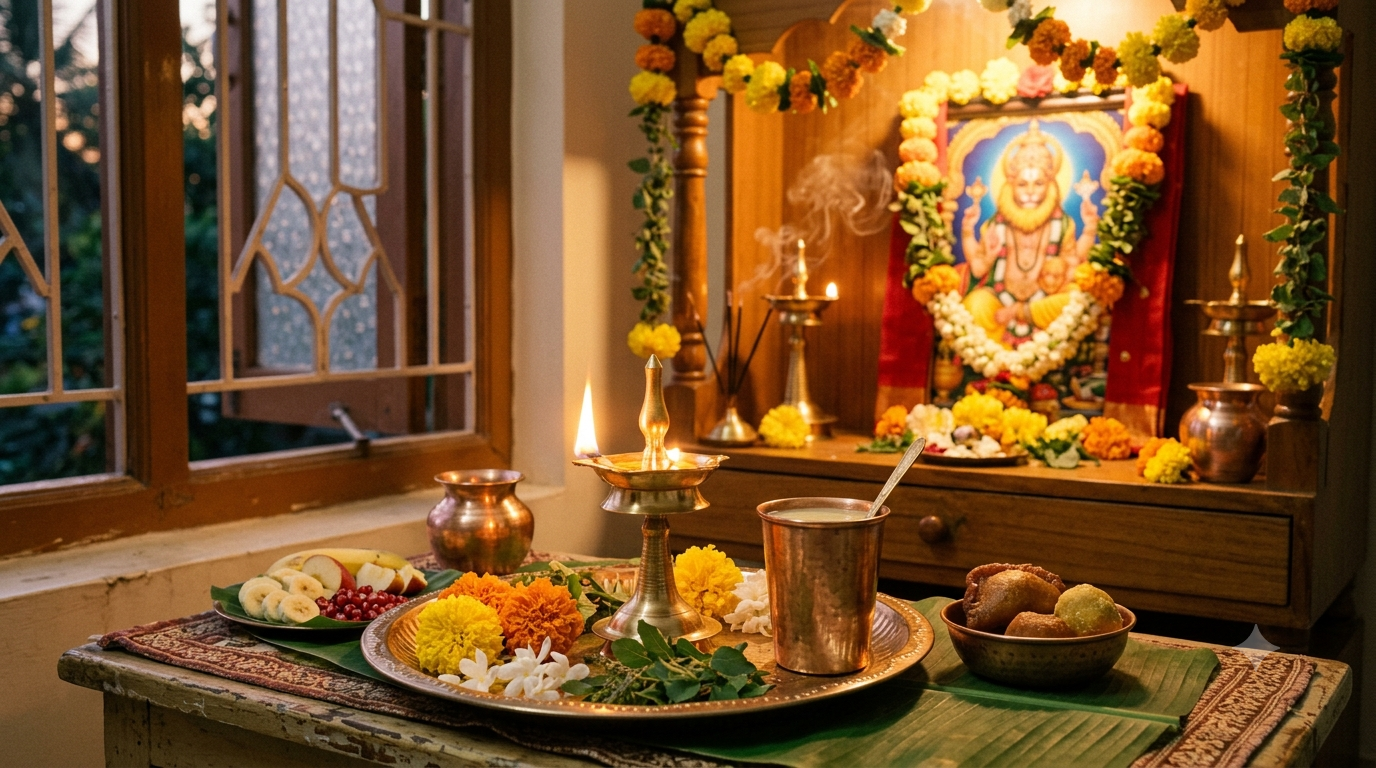
If you want the correct Narasimha Jayanti puja vidhi, this guide brings the 2026 date, the evening muhurat and the fasting rules together in one place. Narasimha Jayanti marks the day Lord Vishnu appeared as the man-lion to protect his young devotee Prahlada. Most pages online hand you a bare date and a copied ritual list. Here you also learn why we do the puja in the evening, how to perform it simply at home, and what the fast really involves.
A quick note: Sri Vyasa Pooja is an independent devotional guide. We are not affiliated with any temple or devasthanam, and this is not an official website. We do not accept bookings, sevas, donations or payments. For any temple visit or seva, please use each temple’s own official portal.
Narasimha Jayanti 2026 Date and Time
In 2026, Narasimha Jayanti falls on Thursday, 30 April 2026. The Chaturdashi tithi begins at 7:51 PM on 29 April. It then ends at 9:12 PM on 30 April for New Delhi. Because the festival follows the lunar calendar, the window shifts slightly by city, so confirm your local panchang.
| Detail | Timing (New Delhi, 2026) |
|---|---|
| Festival day. | Thursday, 30 April 2026. |
| Chaturdashi begins. | 7:51 PM, 29 April. |
| Chaturdashi ends. | 9:12 PM, 30 April. |
| Madhyahna Sankalp. | 11:19 AM to 1:53 PM. |
| Evening (Sayahna) puja. | approx. 4:27 PM to 7:00 PM. |
| Parana (break fast). | next morning, 1 May, after sunrise. |
So the main worship happens on the evening of 30 April 2026. These figures follow New Delhi timings, so your city may differ by a few minutes. You can cross-check the exact tithi on the Drik Panchang Narasimha Jayanti page before you plan your day.
Narasimha Jayanti at a Glance
Here are the essentials in one quick list, so you can scan them before the full method.
- Festival: appearance day of Lord Narasimha, the fourth avatar of Vishnu.
- Tithi: Vaishakha Shukla Chaturdashi, in April or May.
- 2026 date: Thursday, 30 April 2026.
- Main ritual: an evening puja to Narasimha and Lakshmi Narasimha.
- Vrat: fasting from sunrise to the next sunrise.
- Signature offering: panakam, a sweet jaggery drink.
Why the Narasimha Jayanti Date Changes Each Year
Narasimha Jayanti is not fixed to a single calendar date. It always falls on Vaishakha Shukla Chaturdashi, the fourteenth day of the bright fortnight in Vaishakha. Because this follows the Hindu lunar calendar, the English date moves every year.
You can see the shift clearly across recent years. In 2024 the festival fell on 21 May, while in 2025 it landed on 11 May. In 2026 it moves earlier, to 30 April.
So any page that lists one permanent date, such as a fixed 14 May, is simply passing on stale information. This is also why a temple notice and a random website sometimes disagree. Always trust the current year’s tithi rather than a recycled date, and check a reliable panchang each spring.
Narasimha Jayanti Puja Vidhi: Step by Step at Home
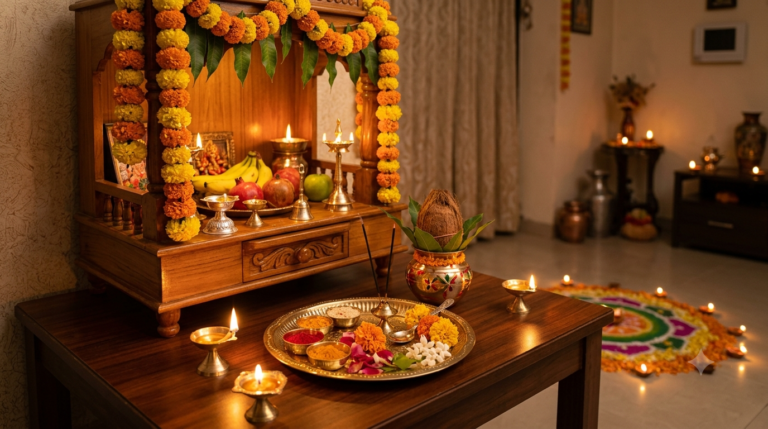
The Narasimha Jayanti puja vidhi is simple to follow at home, even without a priest. Prepare in the morning and keep the fast through the day. Then perform the main worship in the evening, when Narasimha is said to have appeared.
- Wake before sunrise and take a bath, then clean the house and the puja space.
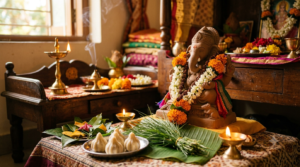
- Set up an idol or picture of Lord Narasimha, or Lakshmi Narasimha if you have it. You may place a saligrama if your family keeps one.
- Take a morning sankalp, a short vow that states your intention to observe the vrat.
- Light a lamp and offer sandalwood paste, kumkum, flowers and tulsi leaves.
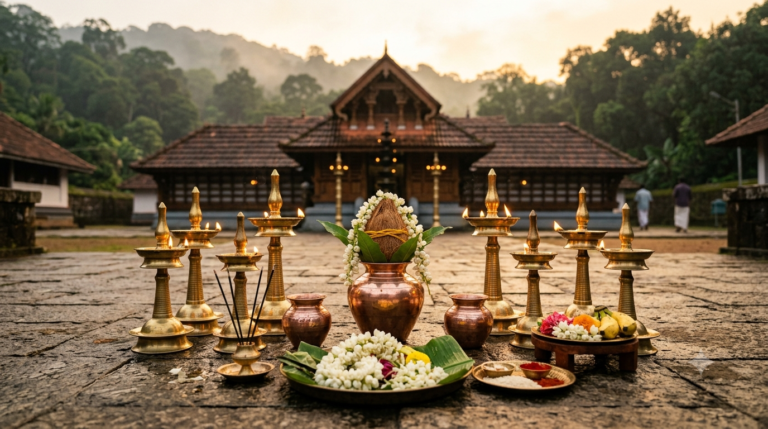
- In the evening, during the Sayahna window, perform the main puja with a lamp, incense and fresh flowers.
- Recite a Narasimha stotra, the Lakshmi Narasimha Sahasranama, or read the Prahlada story if you can.
- Offer panakam along with fruits, kesari or simple sweets as naivedyam.
- Finish with aarti, then share the prasad with family. Break the fast the next morning after sunrise.
What You Need for the Narasimha Jayanti Puja Vidhi
Gather everything a day earlier, so the Narasimha Jayanti puja vidhi flows without interruption. The list stays modest, because this worship values sincerity over show.
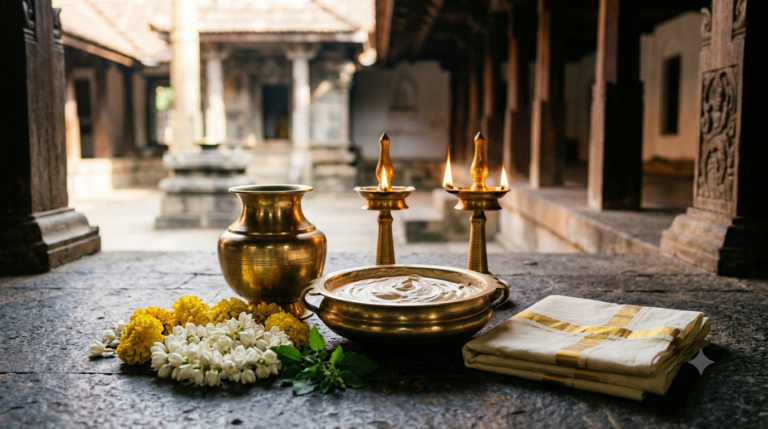
- An idol or framed image of Narasimha or Lakshmi Narasimha.
- An oil lamp, wicks, ghee or oil, and incense sticks.
- Sandalwood paste, kumkum and turmeric.
- Fresh flowers and tulsi leaves.
- Fruits, jaggery and simple sweets for naivedyam.
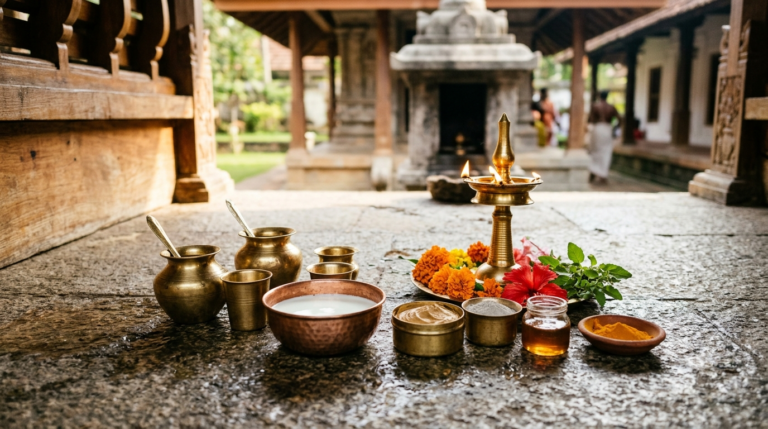
Panakam is the offering most linked with this festival. To make it, dissolve jaggery in water. Then add a pinch of dry ginger, cardamom and crushed pepper. Devotees offer this cool drink to the Lord first and share it later as prasad, since the season is already turning hot.
The Right Time for the Narasimha Jayanti Puja Vidhi
The Narasimha Jayanti puja vidhi is centred on the evening, not the morning. Tradition holds that Narasimha burst from the pillar at twilight, on a threshold. So we schedule the main puja for the Sayahna Kaal as dusk approaches.
This is where many home devotees slip up. They finish everything by noon, as they would for a morning-born deity, and miss the very hour the festival honours. A cleaner approach is a short sankalp in the morning, then the full worship in the evening. Because the dusk window changes by location, check your local sunset before you begin.
Narasimha Jayanti Puja Vidhi: Fasting Rules and Parana
The vrat traditionally runs from sunrise on Narasimha Jayanti to sunrise the next day. Many Sri Vaishnava families fast until the evening puja, then eat light after prayers. Others hold the fast until the following morning. You do the parana, or break the fast, the next day once the Chaturdashi tithi has ended.
Not everyone needs a strict waterless fast, though. A fruit or milk based partial fast counts as sincere observance. During such a fast, many devotees keep to fruit, milk, water and a little sabudana.
If you are diabetic, pregnant, elderly or on regular medication, please consult your doctor first. Never skip water through a hot April day, because faith should support your health, not strain it. For a fuller breakdown of vrat timing, see our guide to Ekadashi fasting rules.
The Story of Lord Narasimha and Prahlada
The demon king Hiranyakashipu won a boon that made him nearly impossible to kill. No man or beast could slay him, indoors or outdoors, by day or night, on the ground or in the sky. Proud of this shield, he demanded worship and tormented his own son Prahlada, a devoted follower of Vishnu.
Vishnu answered the boon with its own loophole. He appeared as Narasimha, neither fully man nor fully animal, at twilight, which is neither day nor night. He placed the king on his lap, on the threshold of a doorway, then ended his reign.
The lap is neither ground nor sky, and the doorway is neither inside nor outside. Every detail slips through a gap in the boon. So the story stands for dharma rising over adharma, and for the protection promised to a sincere devotee.
What Devotees Believe They Gain
Devotees turn to Narasimha as a fierce protector. Tradition holds that sincere worship on this day brings courage, relief from fear, and freedom from the negativity that weighs on the mind. Many families also pray for the safety of their children, since the Lord first appeared to guard a child. Others simply seek steadiness of mind before a hard decision or a fresh start.
These are matters of faith and devotion rather than guaranteed outcomes. Worship, mantra and fasting are spiritual practices, not medical treatment. So please do not treat them as a substitute for professional care when you need it.
Where to Celebrate: Major Narasimha Temples
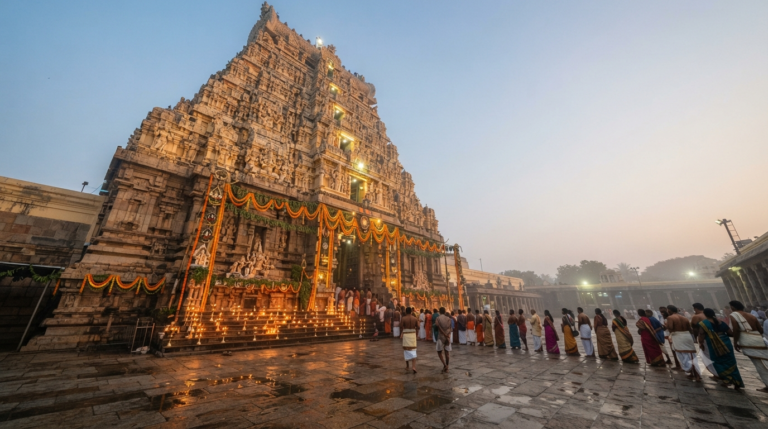
If you would rather mark the day at a shrine, several famous Narasimha kshetras hold special pujas. Ahobilam in Andhra Pradesh is the celebrated Nava Narasimha site, with nine shrines spread across the hills. Read our notes on Ahobilam darshan timings before you travel.
Yadadri, also called Yadagirigutta, near Hyderabad is a major Pancha Narasimha kshetra. You can check its darshan timings here, or on the official Yadadri temple portal.
Simhachalam in Visakhapatnam draws huge crowds too, where devotees worship the Lord as Varaha Narasimha. Mangalagiri near Vijayawada is another popular stop. Always confirm seva details on the temple’s own official channel, and avoid third-party agents who promise quick tickets. Even so, the day feels complete at home when travel is hard.
Mistakes Devotees Often Make
A few small errors trip up first-time observers every year. Learn them once, and your Narasimha Jayanti puja vidhi will run smoothly.
- Doing the main puja in the morning, when the evening is the traditional hour.
- Trusting an old fixed date instead of the current year’s tithi.
- Attempting a strict waterless fast through the summer heat despite health risks.
- Skipping panakam, the offering most tied to this festival.
- Treating benefit claims as guarantees rather than expressions of faith.
Before You Begin the Narasimha Jayanti Puja Vidhi
Narasimha Jayanti rewards devotion far more than elaborate arrangement. Fix the correct 2026 date, which is 30 April, then plan the main worship for the evening. Keep a fast that suits your health, and offer panakam with a clean heart. Read the Prahlada story to your family, and round off the day with a temple visit or a simple charity if you can, since giving is woven into this vrat.
Frequently Asked Questions
When is Narasimha Jayanti in 2026?
Narasimha Jayanti falls on Thursday, 30 April 2026. The Chaturdashi tithi begins at 7:51 PM on 29 April and ends at 9:12 PM on 30 April for New Delhi. The main puja happens in the evening of 30 April.
What is the correct Narasimha Jayanti puja vidhi?
Prepare and take a sankalp in the morning, then keep the vrat through the day. Perform the main puja in the evening. Offer a lamp, sandalwood, flowers, tulsi and panakam, and recite a Narasimha stotra. Break the fast the next morning after sunrise.
Do I need a priest for the Narasimha Jayanti puja vidhi?
No. Families can perform the Narasimha Jayanti puja vidhi at home without a priest. A simple lamp, sincere prayer, a Narasimha stotra and panakam are enough. Sincerity matters far more than an elaborate ceremony.
Why is the Narasimha Jayanti puja vidhi done in the evening?
Narasimha is said to have appeared at twilight, on a threshold, to honour the terms of the demon’s boon. Because of this, we time the main worship for the Sayahna Kaal near dusk rather than the morning. A short morning sankalp followed by an evening puja works well.
Can I observe Narasimha Jayanti without a strict fast?
Yes. A fruit or milk based partial fast is a sincere way to observe the day. Anyone who is diabetic, pregnant, elderly or unwell should consult a doctor first and stay hydrated, especially in the April heat.
What is panakam and why is it offered?
Panakam is a cool drink of jaggery and water, often spiced with dry ginger, cardamom and pepper. It is the signature offering of Narasimha Jayanti, given first to the Lord and then shared as prasad. The drink suits the warm season when the festival falls.
Is Narasimha Jayanti the same as Narasimha Chaturdashi?
Yes, the two names point to the same festival. We call it Chaturdashi because it falls on the fourteenth day of the bright fortnight of Vaishakha. Some regions and traditions simply prefer one name over the other.
What should I offer Lord Narasimha on this day?
Offer panakam first, along with fruits, jaggery, kesari and simple sweets. Fresh flowers, tulsi leaves and a ghee lamp complete the naivedyam. Devotees keep the offerings simple and pure, because Narasimha responds to sincerity rather than to cost.
Which temples are famous for Narasimha Jayanti?
Ahobilam and Yadadri are among the best known Narasimha kshetras, along with Simhachalam and Mangalagiri. These temples hold special abhishekams and processions on the day. Check each temple’s official portal for seva timings before you visit.