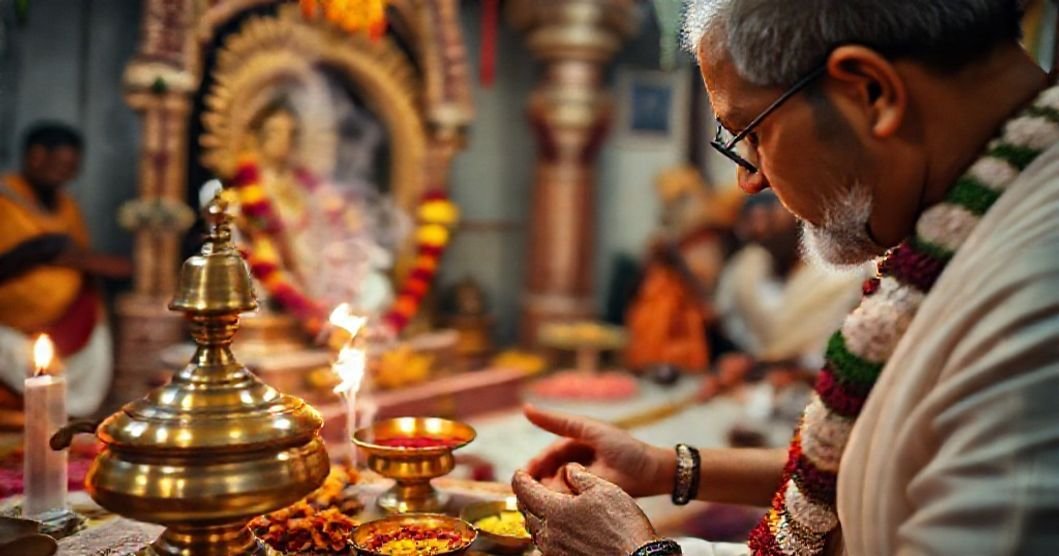
Significance of Dhana Lakshmi Pooja And Deepavali Date 2021
Significance of Dhana Lakshmi Pooja is a revered aspect of Hindu spiritual tradition, often associated with Lakshmi Puja — the worship of Goddess Lakshmi, the embodiment of wealth and prosperity. In 2021, Deepavali (also spelled Diwali) fell on Thursday, November 4, and Lakshmi Puja — the day traditionally associated with invoking the blessings of Dhana Lakshmi — was celebrated during auspicious evening hours around this date.
What Is Dhana Lakshmi Pooja?
Dhana Lakshmi Pooja refers to the ritualistic worship of Goddess Lakshmi in her “Dhana” (wealth) aspect. In Hindu cosmology, Lakshmi is revered as the divine bestower of material prosperity, abundance, riches, and overall well-being. Many households and businesses perform this special puja with the belief that the goddess enters their homes and blesses them with wealth and stability for the coming year.
This worship is most prominent during the Deepavali festival, particularly on the night of Lakshmi Puja, which is considered the most auspicious moment to honor Goddess Lakshmi’s presence and grace. Devotees invite her into their hearts and homes through rituals, lights, prayers, and offerings.
Why Dhana Lakshmi Is Worshipped On Deepavali
Deepavali — the festival of lights — marks the triumph of light over darkness, good over evil, and knowledge over ignorance. Central to Deepavali celebrations is the worship of various deities, among whom Dhana Lakshmi (a form of Lakshmi) holds deep significance as the giver of material fulfillment and security.
Therefore, this association arises from the belief that Goddess Lakshmi visits the homes of devotees on this night, seeking to bless those whose households are clean, luminous, and spiritually receptive with prosperity and abundance. Lights (diyas), rangoli, and pristine decor are used to symbolize this welcoming of divine wealth.
Deepavali Date 2021 And Lakshmi Pooja Timing
In 2021, Deepavali was observed on Thursday, November 4. Lakshmi Puja — the key ritual for worshipping Dhana Lakshmi — was performed on the evening of Diwali. According to traditional Hindu Panchang (calendar), the auspicious timing (muhurat) for Lakshmi Puja on this date was in the early evening, generally lasting from around 6:09 PM to 8:04 PM IST, during the Pradosh Kaal period.
Also, the date and timing are based on the Amavasya (new moon) Tithi — considered highly significant in Vedic traditions — which begins early on November 4 and continues past midnight into November 5.
| Festival/Event | Date (2021) | Key Timing |
|---|---|---|
| Deepavali (Diwali) | Thursday, November 4, 2021 | Full day celebration |
| Lakshmi Puja (Dhana Lakshmi focus) | Thursday, November 4, 2021 | ~6:09 PM – 8:04 PM (Pradosh Kaal) |
Step-By-Step Guide To Performing Dhana Lakshmi Pooja
1. Preparations Before Pooja
Before beginning the pooja, devotees carefully clean their homes, especially the prayer area. It is believed that Goddess Lakshmi arrives where there is cleanliness and positive energy. Use fresh rangoli patterns and clay lamps (diyas) to brighten pathways.
In contrast, arrange essential pooja items such as idols or images of Goddess Lakshmi and Lord Ganesha (invoked to remove obstacles), incense sticks, ghee diyas, fresh flowers, fruits, sweets, rice grains, turmeric, kumkum, water in a kalash (sacred pot), and coins or rice grains to symbolize wealth.
2. Setting Up The Pooja Place
On a raised platform, spread a clean red or yellow cloth. Place the idols — Lakshmi in the center and Ganesha to her right — facing north or east, directions traditionally considered auspicious for prosperity rituals. Sprinkle some rice grains around the base and decorate with marigold or lotus flowers. Light diyas and incense to create a serene atmosphere.
3. Invoking Dhana Lakshmi
With hands folded and heart focused, begin the pooja by chanting Lakshmi mantras such as “ॐ श्रीं महालक्ष्म्यै नमः” while offering flowers, rice, and sweets. You may also include prayer to Lord Ganesha to seek the removal of obstacles before starting the main ritual.
Offer fruit, betel leaves, coins, and rice within the kalash as a symbol of abundance. Sprinkling water mixed with turmeric around the setup is often considered a purifying step. Maintain silence and devotion while performing this important part of the ritual.
4. Aarti And Closing The Ritual
Perform an aarti (ritual waving of the lamp) in clockwise motion in front of the deities while singing traditional Lakshmi aarti hymns. After the aarti, distribute the prasad (blessed offerings) among family members and partake in it with reverence.
On the other hand, conclude the pooja by offering thanks to Goddess Lakshmi for her blessings and praying for prosperity, protection, and peace throughout the year.
Tips And Best Practices For Dhana Lakshmi Pooja
- Begin preparations at least a few days before Deepavali to ensure cleanliness and positive energy in the home.
- Choose an auspicious muhurat (timing) for the puja by consulting an official Panchang or temple priest, as timings may vary by region.
- Use fresh flowers and natural diyas instead of artificial lights to improve the sacred feeling of the ceremony.
- Offer sincere prayers rather than mechanical rituals — the goddess is believed to respond to heartfelt devotion.
- Maintain a calm, respectful atmosphere throughout the puja; avoid loud noises or disputes during the ritual.
Common Mistakes To Avoid
- Avoid performing the pooja in an unclean or cluttered space — it is believed that disorder attracts negative energy and discourages divine presence.
- Do not rush through the mantras or skip essential items; each item symbolically contributes to the ritual’s intent.
- Avoid using broken or old pooja items; always present offerings that are new or freshly prepared.
- Refrain from interrupting the pooja by taking calls or engaging in unrelated conversations.
My Personal Experience With Dhana Lakshmi Pooja
When I visited my ancestral home during Deepavali 2021, the atmosphere was electric with anticipation for Lakshmi Puja. What surprised me the most was how every person in the family, young or old, had a role — from cleaning the entrance to arranging lamps. The moment we lit the diyas and began the ritual, a sense of calm and unity washed over the room. I personally recommend gathering the entire family for this puja; it amplifies the devotion and makes the experience more meaningful.
Frequently Asked Questions (FAQ)
What Is The Difference Between Lakshmi Puja And Dhana Lakshmi Pooja?
Lakshmi Puja broadly refers to worshipping Goddess Lakshmi, encompassing all of her aspects including wealth, prosperity, wisdom, and victory. Dhana Lakshmi Pooja specifically highlights the aspect of Lakshmi associated with material abundance and financial well-being. Both are deeply connected, especially during Deepavali, but the focus nuance differs.
Is It Necessary To Fast On Lakshmi Puja Day?
Traditionally, some devotees observe a day-long fast before the evening pooja to heighten their focus and devotion. However, fasting is a personal choice — the core spiritual intent matters more than strict fasting for material blessings.
Can I Perform Dhana Lakshmi Pooja At Any Time Of The Day?
Puja during the auspicious muhurat — particularly during the evening of Deepavali — is considered most powerful. Other times are also acceptable, but planning according to an astrologically favorable time is often recommended for maximum benefit.
Do I Need A Priest To Perform This Pooja?
A priest can provide guidance and ensure traditional protocols are followed precisely, but many families perform this puja themselves at home with devotion, using a standard set of mantras and steps.
Blessings Through Tradition
The Significance Dhana Lakshmi Pooja resonates deeply with devotees seeking prosperity, peace, and lasting well-being. Celebrated as a central ritual on Deepavali — especially in 2021 on November 4 — this sacred practice blends spiritual reverence with cultural heritage. Whether you observe it with strict traditional form or in a simplified home setup, the intent of invoking divine blessings remains heart-centered and powerful.


+ There are no comments
Add yours