If you want a clear Ugadi celebration procedure, this guide walks you through every step at home. Ugadi marks the Telugu and Kannada New Year, so the day carries both deep meaning and a fixed order of rituals. Because many pages online still show old dates or skip the real steps, we verified each detail on the panchangam and laid it out plainly. You will find the puja sequence, the Ugadi Pachadi logic, regional variations, and the next confirmed date in one place.
Srivyasapooja is an independent guide to Hindu festivals and traditions. We are not affiliated with any temple, mutt, or official body, and we do not take bookings, donations, or payments. Festival dates can shift by a day between regional almanacs, so always confirm the timing on your family panchangam before you plan.
Ugadi Celebration Procedure at a Glance
Here is the quick version before the detailed steps below. Skim it first, then follow each section as you prepare.
- Clean the home a day ahead, then take an early oil bath on Ugadi morning.
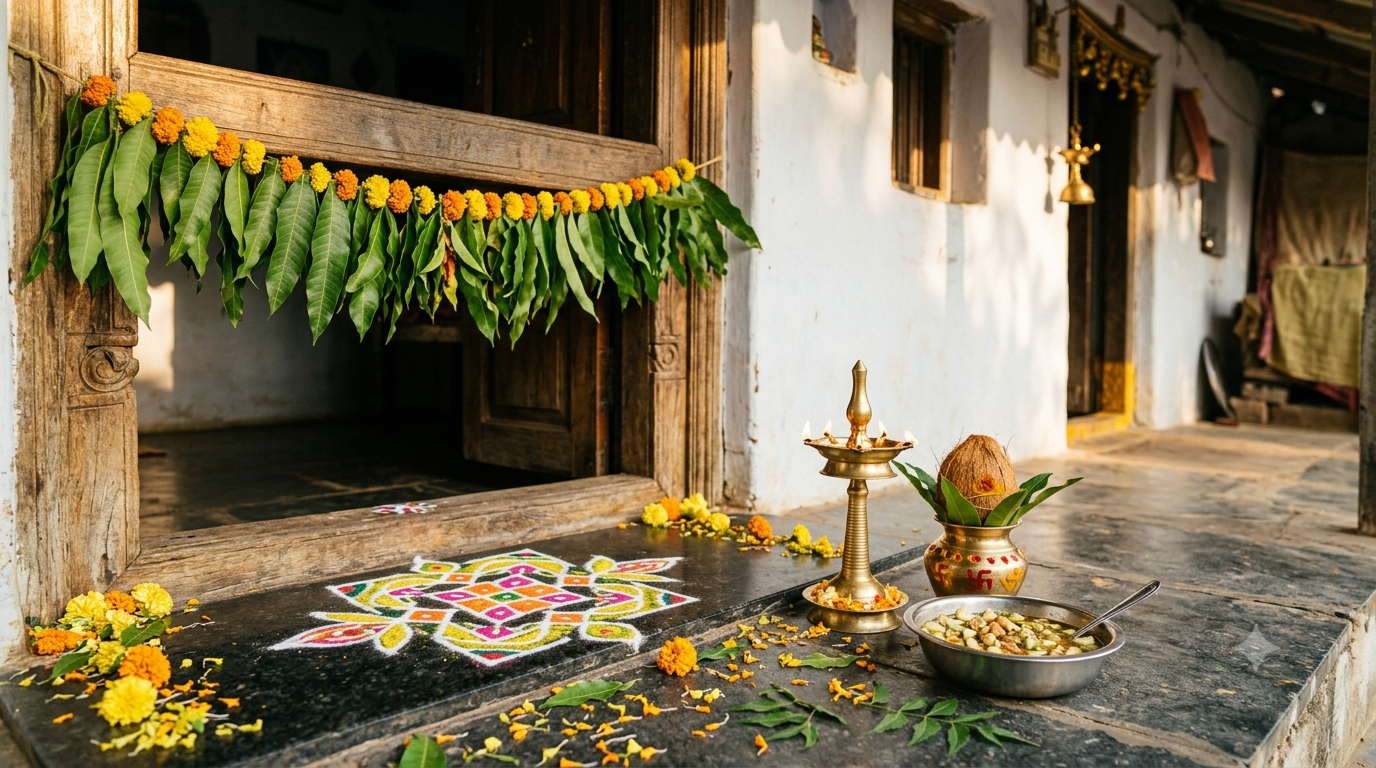
- Tie fresh mango leaf thoranam at the door and draw a muggu (rangoli).
- Prepare Ugadi Pachadi, the six-taste mixture, along with festive dishes.
- Offer the pachadi and food to God as naivedyam, then perform a short puja.
- Eat the pachadi first, so the new year begins with all six tastes of life.
- Attend or listen to Panchanga Sravanam, the reading of the year ahead.
What Ugadi Means and Why It Matters
The word Ugadi comes from two Sanskrit words, yuga (age) and adi (beginning). Together they mean the start of a new age, which is why the day opens the lunar new year. People in Andhra Pradesh and Telangana call it Ugadi, while Karnataka celebrates it as Yugadi.
Ugadi always falls on Chaitra Shukla Pratipada, the first day of the bright half of the Hindu month Chaitra. Since this follows the moon, the Gregorian date changes each year and lands in late March or early April. The Hindu calendar also runs a cycle of 60 named years, so each Ugadi begins a fresh samvatsara with its own name.
That naming cycle is why elders often greet each other with the year’s name on Ugadi morning. You can read more about the festival’s history and its many regional names on Wikipedia’s Ugadi entry. The day also blends farming and faith, because it once marked the season when farmers planned the year’s crops.
When Is the Next Ugadi Date?
The next Ugadi falls on Wednesday, 7 April 2027, according to Drik Panchang. This opens the new Telugu samvatsara in the sixty-year cycle, and priests announce its exact name during the Panchanga Sravanam that day. Because regional almanacs can differ by a day, confirm the date on your local panchangam before you finalise plans.
Families observed Ugadi on 19 March in 2026, so the 2027 timing above is your next reference. The date moves each year because the lunar calendar runs shorter than the solar one, and an extra month called adhika masa resets it periodically. You can cross-check any year on an authoritative source like Drik Panchang, which lists the tithi and sunrise rules that decide the day.
Ugadi Celebration Procedure: Step-by-Step at Home
This is the heart of the Ugadi celebration procedure, broken into six clear steps. Follow them in order, because the sequence itself carries meaning.
Step 1: Clean the Home and Take an Oil Bath
Deep-clean the house a day or two before Ugadi, since a fresh space welcomes the new year. On the morning itself, wake early and take an abhyanga snanam, a ceremonial bath after applying oil. After the bath, everyone wears new or clean clothes to mark the fresh start.
Step 2: Decorate With Mango Thoranam and Muggu
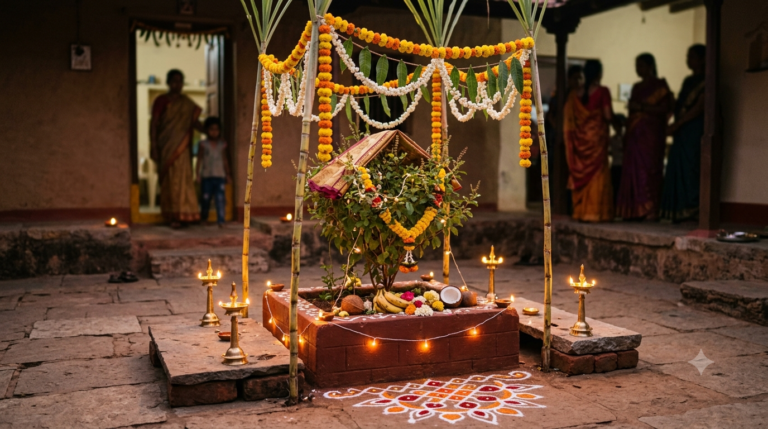
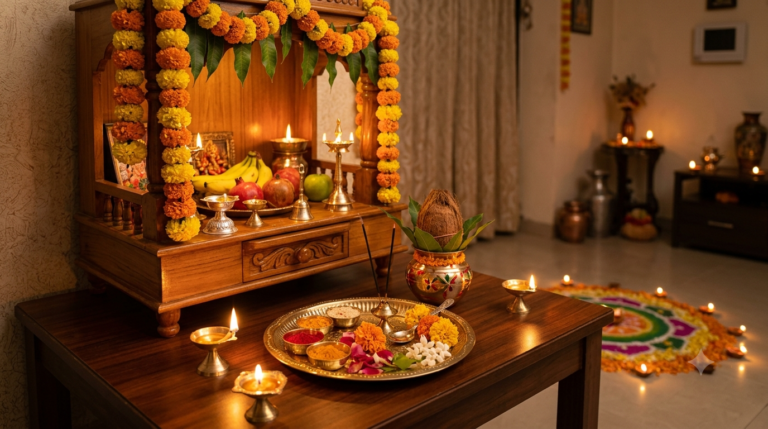
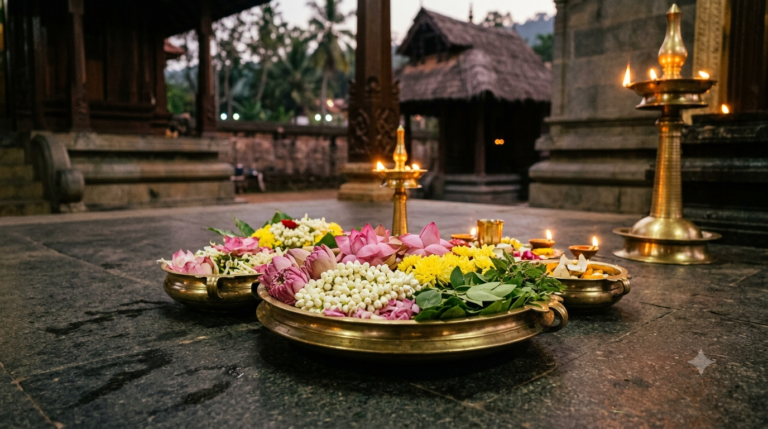
Tie a thoranam of fresh mango leaves across the main doorway, because families treat mango leaves as auspicious and welcoming. Draw a colourful muggu, or rangoli, at the entrance so the threshold looks festive. Many families also place flowers and a small kalasham near the puja area.
Step 3: Prepare Ugadi Pachadi and the Feast
Make Ugadi Pachadi fresh, since it is the first food eaten on the day. Prepare it just before the puja so it does not turn watery. Alongside it, cook traditional dishes such as pulihora (tamarind rice), bobbatlu (sweet flatbread), and other family favourites.
Step 4: Perform the Puja and Offer Naivedyam
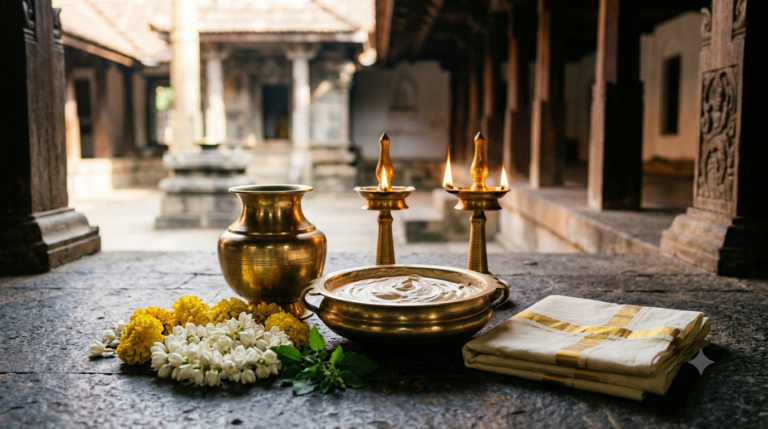
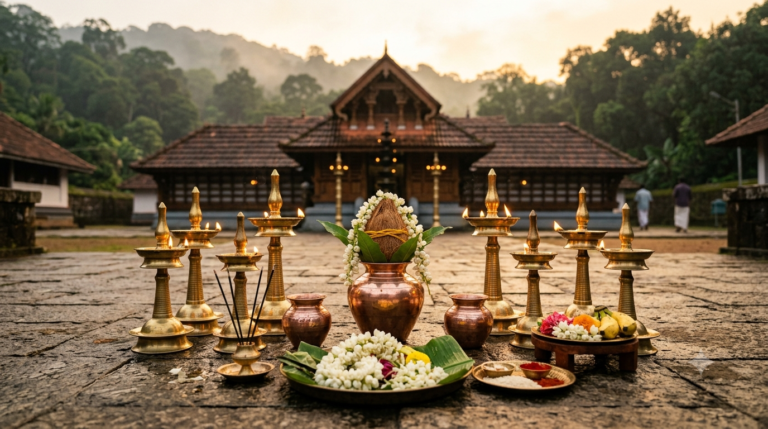
Set the pachadi and cooked dishes before the deity as naivedyam, then light a lamp and incense. Offer a short prayer for health, prosperity, and a peaceful year. When the puja ends, the offered food becomes prasadam for the family.
Step 5: Eat the Pachadi and Share It
Eat a spoon of Ugadi Pachadi first, before any other dish, so the year opens with every taste. Share it with family and neighbours as a gesture of goodwill. This simple act sits at the centre of the whole Ugadi celebration procedure.
Step 6: Attend Panchanga Sravanam
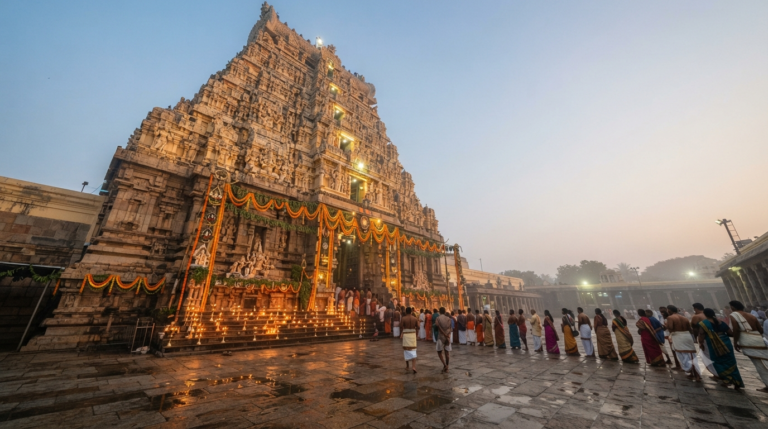
Later in the day, attend Panchanga Sravanam at a temple or listen to it at home. During this reading, a priest shares the coming year’s forecast based on the new panchangam. You can also follow the reading on television or a trusted samvatsara panchangam for your tradition.
Ugadi Pachadi: The Six Tastes Explained
Ugadi Pachadi is the soul of the festival, and its design is deliberate. It blends six ingredients for six tastes, or shadruchulu, which many families read as the six emotions of life. The lesson is gentle: happiness and sorrow both belong to a full year, so we taste them together.
Here is how the six ingredients and tastes are traditionally understood. Treat the emotion column as cultural symbolism, not a rule, since families vary the recipe.
| Ingredient | Taste | Symbolises |
|---|---|---|
| Jaggery (bellam) | Sweet | Happiness |
| Neem flowers (vepapuvvu) | Bitter | Difficulty |
| Raw mango (mamidikaya) | Tangy | Surprise |
| Tamarind (chintapandu) | Sour | Disgust |
| Green chilli or pepper | Spicy | Anger |
| Salt (uppu) | Salty | Fear |
Some households add banana, coconut, or a little water to balance the mix. Many cooks prefer black pepper over chilli powder for the offering, though both appear across regions. Because families offer and eat the pachadi first, it frames the mood of the entire day.
Beyond Pachadi: The Ugadi Feast
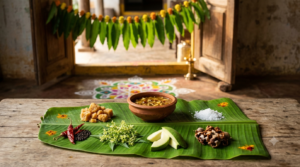
Once the pachadi is ready, most families cook a full festive spread. The menu blends sweet and savoury dishes, so the table mirrors the six-taste idea of the day.
- Pulihora: tangy tamarind rice, a staple naivedyam across Telugu homes.
- Bobbatlu, also called holige: a sweet flatbread stuffed with jaggery and lentils.
- Pappu and vada: comfort dishes that round out the meal.
- Payasam: a milk-and-jaggery dessert to end on a sweet note.
You can adapt the spread to your region and taste, since no single menu is fixed. Karnataka families often serve holige with bevu-bella, while coastal homes may add seasonal specials. The one constant is that the meal follows the pachadi, never the other way around. For the step-by-step way other festivals run at home, see our Sri Krishnashtami procedure guide.
Ugadi Celebration Procedure Across Regions
The same lunar new year is welcomed under different names across India. While the core spirit stays the same, the customs and foods shift from state to state.
- Andhra Pradesh and Telangana: Ugadi, with pachadi and Panchanga Sravanam.
- Karnataka: Yugadi, marked with bevu-bella (neem and jaggery) and holige.
- Maharashtra: Gudi Padwa, where families raise a decorated gudi at the door.
- Sindhi community: Cheti Chand, honouring Jhulelal.
- Kashmir: Navreh, the Kashmiri Pandit new year.
Because the festival spans so many regions, you can adapt the Ugadi celebration procedure to your own family customs. The bath, the fresh clothes, the special food, and the new-year prayer stay common threads throughout.
The Legend Behind the Ugadi Celebration Procedure
Tradition ties Ugadi to the very start of creation. According to Puranic belief, Lord Brahma began creating the world on this day, which is why it opens the new age. Some accounts also link the day to Lord Vishnu’s Matsya avatar, who recovered the stolen Vedas so creation could continue.
These stories are matters of faith and tradition rather than history, so we share them as devotees tell them. Still, they explain why the day feels like a genuine fresh beginning for millions of families.
Insider Tips for a Smooth Ugadi Celebration Procedure
A few practical habits make the day calmer, and most guides skip them. These come from how experienced families actually plan the morning.
- Buy mango leaves and neem flowers a day early, because they sell out fast before Ugadi.
- Chop the raw mango finely, so the pachadi mixes evenly and tastes balanced.
- Make the pachadi last, since it turns soggy if it sits too long before the puja.
- Keep a printed or saved panchangam handy, so you catch the right muhurtam.
- Involve children in drawing the muggu, as it makes the tradition stick.
- Soak tamarind and grate jaggery in advance, so the pachadi comes together quickly.
A Health and Safety Note for the Ugadi Celebration Procedure
Ugadi Pachadi contains raw neem and jaggery, so use your own judgement if you manage blood sugar or have specific sensitivities. A small ceremonial spoon is enough to honour the custom. The year-ahead predictions shared during Panchanga Sravanam are part of tradition and belief, and they are not a substitute for professional medical, financial, or legal advice.
Final Thoughts on the Ugadi Celebration Procedure
At its core, the Ugadi celebration procedure is simple: clean, decorate, cook, pray, and share. The rituals may look elaborate, yet each one carries a small, warm lesson about starting fresh. If you follow the six steps above and taste the pachadi first, you have kept the tradition well. Confirm the 2027 date on your panchangam, gather your ingredients early, and let the new year begin on a sweet note.
Ugadi Celebration Procedure: Frequently Asked Questions
What is the Ugadi celebration procedure at home?
The home procedure is a short sequence: clean the house, take an oil bath, decorate with mango leaves and muggu, prepare Ugadi Pachadi and a feast, offer naivedyam with a puja, eat the pachadi first, and attend Panchanga Sravanam. Each step marks a fresh start to the year.
When is Ugadi in 2027?
Ugadi 2027 falls on Wednesday, 7 April 2027, as per Drik Panchang. It begins a new samvatsara in the sixty-year cycle. Regional almanacs can vary by a day, so confirm on your local panchangam.
What are the six tastes in Ugadi Pachadi?
The six tastes are sweet (jaggery), bitter (neem flowers), tangy (raw mango), sour (tamarind), spicy (green chilli or pepper), and salty (salt). Together they represent the mixed emotions of a full year.
Why do we eat Ugadi Pachadi first?
Families eat the pachadi before any other food so the year opens with every taste at once. The custom is a reminder to accept joy and hardship with the same calm. Families offer it to God first, then share it as prasadam.
Is Ugadi the same as Gudi Padwa?
Both fall on the same lunar day, Chaitra Shukla Pratipada, and both welcome the new year. People celebrate Ugadi in Andhra Pradesh, Telangana, and Karnataka, while Maharashtra observes Gudi Padwa with its own gudi ritual. The spirit is shared, though the customs differ.
What is Panchanga Sravanam?
Panchanga Sravanam is the ceremonial reading of the new year’s almanac. A priest shares forecasts for each rasi and the general year ahead. Many families attend at a temple, while others listen at home or on television.
Why are mango leaves tied on the door for Ugadi?
Families treat fresh mango leaf thoranam as auspicious and welcoming, so they tie it across the main entrance. It signals festivity, and many believe it invites positive energy. Most people put the leaves up on the morning of Ugadi.
What time should the Ugadi puja be done?
Most families perform the Ugadi puja in the morning, after the oil bath and before the main meal. Check your panchangam for the day’s auspicious muhurtam, since exact timings vary by region. The pachadi and naivedyam usually come together during this morning puja.