When is Hanuman Jayanti celebrated — April, May, or December? All three answers are correct, and the one that applies to you depends on where in India you stand. This one question sparks real confusion, because the same festival simply lands in different months across the country.
Below you will find every regional date for 2026 and 2027. You will also see the reason for the gap and the traditions behind each one, so you never mark the wrong day again.
Sri Vyasa Pooja is an independent devotional guide. We are not affiliated with, endorsed by, or the official website of any temple, mutt, or Devasthanam. We also do not accept bookings, poojas, or donations. Since lunar dates shift each year, always confirm the exact day on an official panchang before you plan.
Hanuman Jayanti at a Glance
- North India: Chaitra Purnima — Thursday, 2 April 2026, and Tuesday, 20 April 2027.
- Andhra Pradesh and Telangana: a 41-day Deeksha ending on Vaishakha Bahula Dashami — around 12 May 2026, and late May 2027.
- Tamil Nadu and Kerala: Margazhi (Dhanur) Amavasya — around 19 December 2026, and 27 December 2027.
- Karnataka: Margashirsha month — around 2–3 December 2026, and 11 December 2027.
- Why the gap: different regional calendars, plus two separate beliefs about when Hanuman was born.
When Is Hanuman Jayanti Celebrated in North India?
Most northern states celebrate Hanuman Jayanti on Chaitra Purnima, the full-moon day of the Chaitra month. This falls in March or April, so it arrives right after the spring Navaratri and Rama Navami. In 2026 the date was Thursday, 2 April, while in 2027 it moves to Tuesday, 20 April.
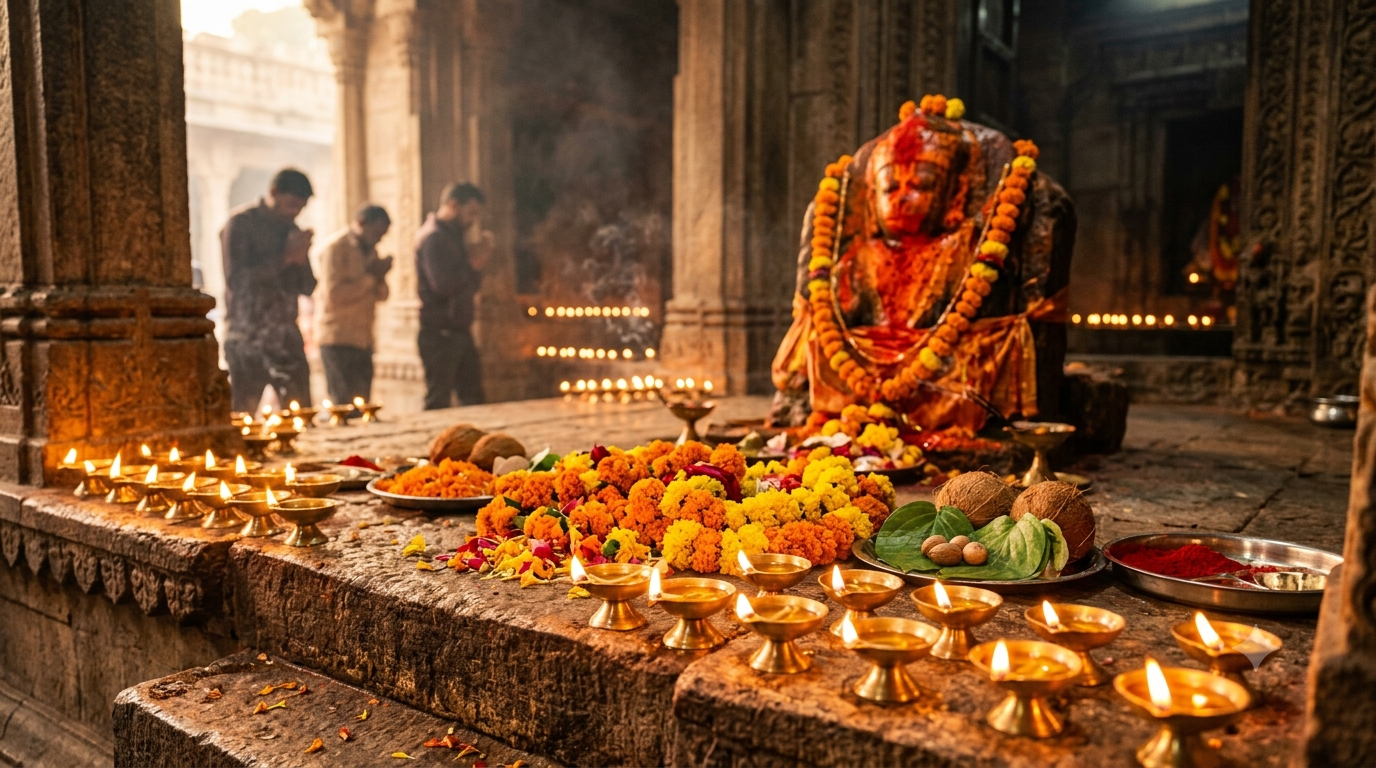
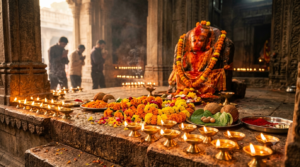
Because tradition places Lord Hanuman’s birth just after sunrise, temples begin worship before dawn. Devotees recite the Hanuman Chalisa, offer sindoor and oil, and perform abhishekam through the day. This Chaitra Purnima date is the version most calendars and news outlets report. That is exactly why so many people assume it is the only one.
When Is Hanuman Jayanti Celebrated in Andhra Pradesh and Telangana?
The Telugu states celebrate Hanuman Jayanti as the final day of a 41-day spiritual observance, not as a single festival on Chaitra Purnima. The Deeksha begins on Chaitra Purnima and concludes on Vaishakha Bahula Dashami, the tenth day of the waning moon in Vaishakha. That concluding day fell around 12 May in 2026, and it lands in late May 2027.
This is the single biggest correction to make. Many aggregator pages claim that Andhra Pradesh and Telangana observe the day on Chaitra Purnima. Yet that day only marks the start of the vow. The actual Telugu Hanuman Jayanti comes roughly forty days later.
The 41-Day Hanuman Deeksha Explained
During the Deeksha, devotees take a disciplined vow of devotion. They wake early, keep a satvik diet, maintain brahmacharya, and wear a tulsi or rudraksha mala as a sign of their resolve. Many also chant the Sundarakanda and Hanuman Chalisa daily throughout the period.
The vow closes with a formal ritual called Deeksha Viramana on the final day. Because this tradition runs long and stays less widely reported, the Telugu date is the one most often printed wrong online.
When Is Hanuman Jayanti Celebrated in Tamil Nadu and Kerala?
Tamil Nadu and Kerala celebrate Hanuman Jayanti in the Tamil month of Margazhi, which corresponds to Dhanur masam and falls in December or January. Here the festival, known as Hanumath Jayanthi, follows the Amavasya (new moon) rather than the full moon. Tradition holds that Hanuman was born under Moola Nakshatra on this day.
For 2026 this date falls around 19 December, and in 2027 it moves to Monday, 27 December. Since the exact day depends on the new-moon timing, confirm it on a Tamil panchang close to the date.
When Is Hanuman Jayanti Celebrated in Karnataka?
Karnataka celebrates Hanuman Jayanti during the Margashirsha month, usually on Shukla Paksha Trayodashi, and locals call it Hanuman Vratam or Hanuman Janmotsava. This places the Kannada observance in December, close to the Tamil date but not identical to it. Some communities in the state instead follow the Vaishakha reckoning, so practice varies.
The Kannada date fell around 2–3 December in 2026, and it moves to Saturday, 11 December 2027. As always, the tithi sets the precise day, so a quick panchang check avoids any mix-up.
Hanuman Jayanti Dates by Region: 2026 and 2027
The table below gathers every major regional date in one place. Because these are lunar dates, treat the December entries as close guides. Verify the exact day on an official panchang such as Drik Panchang for your region.
| Region | Tradition | 2026 Date | 2027 Date |
|---|---|---|---|
| North India | Chaitra Purnima | 2 April 2026 | 20 April 2027 |
| Andhra Pradesh, Telangana | Vaishakha Bahula Dashami (41-day Deeksha) | ~12 May 2026 | Late May 2027 |
| Tamil Nadu, Kerala | Margazhi Amavasya | ~19 December 2026 | 27 December 2027 |
| Karnataka | Margashirsha Shukla Trayodashi | ~2–3 December 2026 | 11 December 2027 |
Keep in mind that the wider spread across regional Hanuman Jayanti traditions also includes an Odia date in April and separate Kerala timings, so a devotee’s own community always sets the day.
Why Is Hanuman Jayanti Celebrated on Different Dates?
Hanuman Jayanti is celebrated on different dates because regions follow different calendars and hold two separate beliefs about the event they honor. Northern and Telugu traditions mark the day of Hanuman’s birth. Some southern traditions instead commemorate the day he first met Lord Rama, or a day tied to his role in the Ramayana.
On top of that, the lunar calendar itself splits into amanta and purnimanta systems. Each state then fixes the tithi its own way. So the festival is one, yet the reckoning is many. Drik Panchang notes plainly that no single day for Hanuman’s birth is agreed across the Hindu calendar.
Why Is Hanuman Jayanti Celebrated Twice a Year?
Many devotees honor Hanuman twice. The first is Chaitra Purnima for his birth. The second is Naraka Chaturdashi, the day before Diwali, for his victory over evil.
The famous Hanumangarhi temple in Ayodhya keeps the birth festival on the Diwali-eve date instead of Chaitra Purnima. For the full story, see our guide on why Hanuman Jayanti comes twice a year.
Where Was Lord Hanuman Born?
Older articles, including our earlier version of this page, stated flatly that Hanuman was born in Tirumala. The honest position is that more than one site claims his birthplace, Anjanadri. Tirumala Tirupati Devasthanams (TTD) has declared the Anjanadri hill at Tirumala as the birthplace of Lord Hanuman.
Karnataka, however, identifies Anjanadri Hill near Hampi, in the ancient Kishkinda region, as the birthplace. That rock-carved Hanuman shrine draws steady pilgrim traffic, as does the nearby Yantrodharaka Hanuman temple in Hampi. Both claims rest on tradition and faith, so we present them side by side rather than picking one as settled fact.
The Significance of Hanuman Jayanti
Hanuman Jayanti honors the deity most associated with strength, humility, and unwavering devotion to Lord Rama. Tradition reveres Hanuman as Sankat Mochan, the remover of troubles, and as a Rudra avatar of Lord Shiva. Devotees believe that worship on this day brings courage, protection, and relief from obstacles. His story in the Ramayana, from lifting the Sanjivani mountain to leaping across to Lanka, anchors that faith.
Many also turn to Hanuman for relief from Shani (Saturn) related difficulties, a belief rooted in the Ramayana. These are matters of faith and devotional practice rather than guaranteed outcomes. Still, for millions the day ranks among the most heartfelt of the year. It ties closely to Hanuman’s role in rescuing Sita and serving Rama.
How Devotees Celebrate the Day
Celebrations look broadly similar wherever the date falls. Temples hold special abhishekam, and priests decorate the idol with sindoor and a fresh coat of oil. Devotees chant the Hanuman Chalisa, often 108 times, and read the Sundarakanda.
At home, many keep a fast and prepare simple naivedyam such as vada or appalu. Processions and community bhajans fill the streets near large Hanuman temples. Because Hanuman is a favorite of wrestlers and athletes, akharas often mark the day with feats of strength and organized bhajan gatherings. In larger towns, all-night Ramayana readings and free annadanam meals draw big crowds.
What to Offer Lord Hanuman
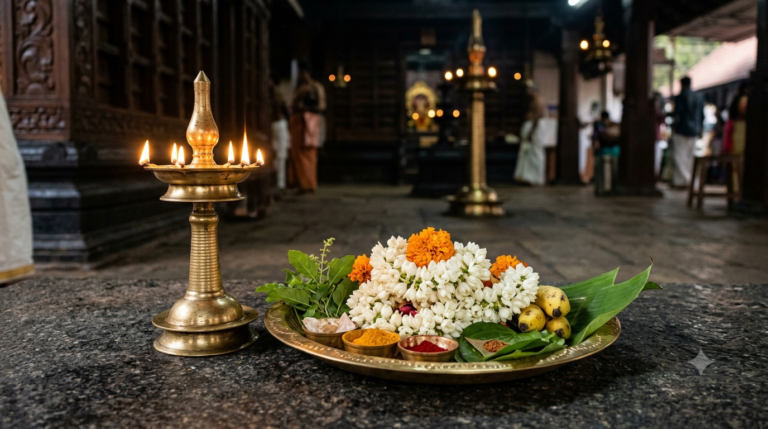
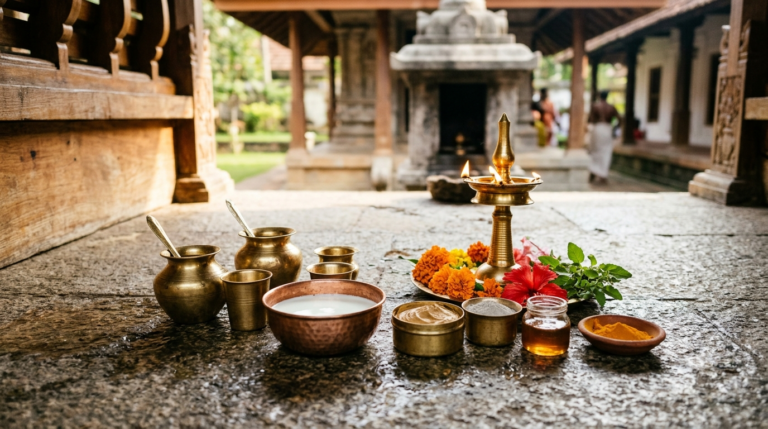
A simple, sincere offering matters more than an elaborate one. Most devotees apply sindoor mixed with jasmine oil, since Hanuman traditionally wears a vermilion coat. Fresh flowers, betel leaves, and tulsi also feature in daily worship.
For naivedyam, sweet options work best. Telugu families often prepare appalu, while others offer laddu, vada, or bananas. A lit lamp and a heartfelt Hanuman Chalisa then complete the ritual at home.
Insider Tips Most Guides Miss
First, do not trust a single date you find online, since most pages only publish the North Indian one. Check the tradition your family follows, then match it to the right month. If you plan to travel, book early, because hill shrines get very crowded on the day.
Second, mind your health if you are fasting or climbing. Popular Hanuman hills such as Anjanadri near Hampi and the Kondagattu Anjaneya Swamy temple in Telangana involve long stair climbs. Carry water, pace yourself, and consult a doctor before a strict fast or a strenuous trek if you are elderly, pregnant, or unwell.
Before You Plan Your Visit
The key takeaway is simple: Hanuman Jayanti is one festival with several correct dates. North India keeps it on Chaitra Purnima in April. The Telugu states end a 41-day Deeksha in May. Tamil Nadu, Kerala, and Karnataka observe it in December.
Match the date to your tradition, verify it on an official panchang, and plan your temple visit ahead of the rush. For the widely followed North Indian reckoning, mark 20 April 2027 on your calendar. In the end, when Hanuman Jayanti celebrated in your region matters far less than the devotion you bring to the day.
Frequently Asked Questions
When is Hanuman Jayanti celebrated in 2027?
North India celebrates Hanuman Jayanti on Tuesday, 20 April 2027, on Chaitra Purnima. The Telugu states conclude their 41-day Deeksha in late May 2027, while Tamil Nadu, Kerala, and Karnataka observe it in December 2027.
Why does Hanuman Jayanti fall on different dates?
Different regions follow different lunar calendars and honor different events. North and Telugu traditions mark Hanuman’s birth, while some southern traditions commemorate other moments from the Ramayana. As a result, the same festival spreads across April, May, and December.
When do Andhra Pradesh and Telangana celebrate Hanuman Jayanti?
The Telugu states celebrate on Vaishakha Bahula Dashami, the last day of a 41-day Deeksha. The vow begins on Chaitra Purnima and ends roughly forty days later, so the date lands in May, not April.
When is Hanuman Jayanti celebrated in Tamil Nadu?
Tamil Nadu observes Hanumath Jayanthi in the Margazhi month, on Amavasya, which falls in December. In 2027 the date is Monday, 27 December. Kerala follows a similar December reckoning.
Was Hanuman really born in Tirumala?
Tirumala Tirupati Devasthanams has declared the Anjanadri hill at Tirumala as Hanuman’s birthplace. Karnataka, however, claims Anjanadri Hill near Hampi. Both remain traditional beliefs, so no single site is universally accepted.
Why is Hanuman Jayanti celebrated twice a year?
Some devotees mark his birth on Chaitra Purnima and his victory over evil on the day before Diwali. Certain temples, such as Hanumangarhi in Ayodhya, keep the birth festival on the Diwali-eve date instead of in spring.
What do devotees do on Hanuman Jayanti?
Devotees recite the Hanuman Chalisa and Sundarakanda, perform abhishekam, offer sindoor and oil, and often keep a fast. Temples hold processions and special poojas, and many prepare simple naivedyam at home.
What is the best time for Hanuman Jayanti puja?
Early morning, around sunrise, is considered the most auspicious time. Tradition holds that Hanuman was born at dawn, so many temples begin abhishekam then. Evening aarti also suits working devotees who cannot attend in the morning.
Is Hanuman Jayanti a public holiday?
It is not a nationwide public holiday, though some states, schools, and offices observe it locally. Because dates differ by region, any local holiday follows that region’s own reckoning rather than a single national date.